

Introduction
Nature has always been one of the most powerful sources of inspiration in visual art. From delicate insects to vast landscapes, artists across cultures and centuries have turned to the natural world to express emotion, belief, and beauty. Animals and natural scenes allow artists to explore themes of life, change, balance, and harmony in ways that feel universal and deeply human.
Nature art is not only visually pleasing but also symbolic. A butterfly may represent transformation, while a turtle can stand for patience and endurance. Landscapes often reflect mood, place, and the artist’s inner world.
This guide explores how nature and animals are represented in painting, with a focus on the painted lady butterfly, the eastern painted turtle, and the enduring tradition of landscape paintings. It is designed for artists, beginners, students, and art lovers who want to better understand how nature influences artistic expression.
Painted Lady Butterfly in Art
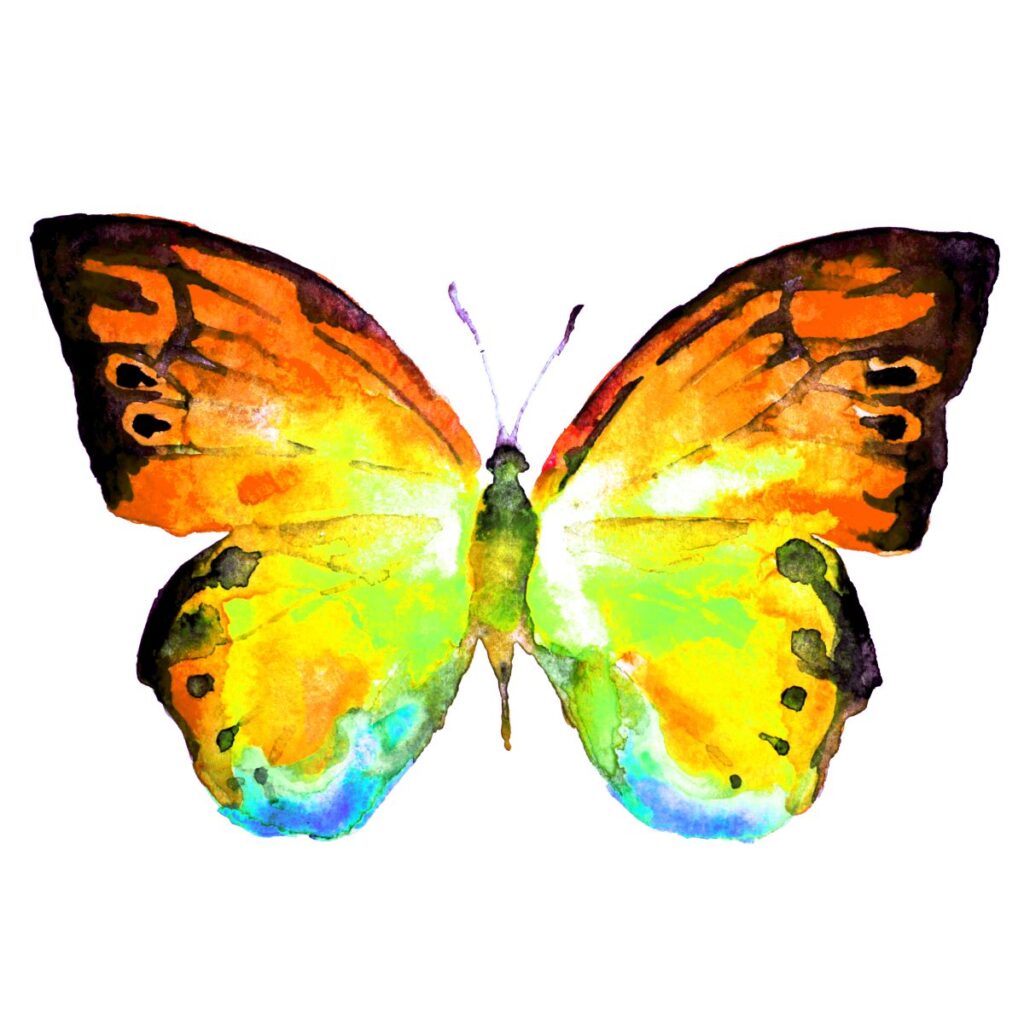
The painted lady butterfly is one of the most recognizable butterflies in the world. Its presence in art is closely tied to themes of beauty, resilience, and transformation.
What Is the Painted Lady Butterfly?
The painted lady butterfly, scientifically known as Vanessa cardui, is known for its wide global distribution and distinctive wing patterns. Unlike rare species, it is familiar and accessible, making it a popular subject in illustration and painting.
Key characteristics artists focus on include:
- Orange and salmon-colored wings
- Black and white spotted tips
- Symmetrical, balanced patterns
- Light, delicate body structure
These visual qualities translate naturally into nature art and detailed studies.
Symbolism of Butterflies in Art
Butterflies have carried symbolic meaning in art for centuries. Their short life cycle and dramatic transformation make them rich visual metaphors.
Common symbolic interpretations include:
- Change and personal growth
- Renewal and rebirth
- Fragility and beauty
- Freedom and movement
In many cultures, butterflies also represent the soul or the fleeting nature of life, making them powerful subjects in fine art and illustration.
Why the Painted Lady Butterfly Appears in Paintings
The painted lady butterfly is especially appealing to artists because it balances beauty with familiarity. It is not exotic or intimidating, which makes it ideal for educational art, botanical illustration, and beginner studies.
Artists often choose it because:
- Its colors contrast well with green or neutral backgrounds
- The wing patterns are complex but approachable
- It fits well into floral and meadow scenes
- It symbolizes transformation without heavy cultural baggage
This makes it a versatile subject in both realistic and stylized nature art.
Color Patterns and Artistic Inspiration
Color is one of the painted lady butterfly’s strongest artistic features. Painters use its warm tones to create visual focus and emotional warmth within a composition.
Typical artistic approaches include:
- Using orange tones to draw the viewer’s eye
- Pairing wings with soft, blurred natural backgrounds
- Highlighting symmetry for balance and calm
- Emphasizing texture through layered brushwork
Watercolor artists often favor butterflies for their transparency and softness, while acrylic and oil painters focus on contrast and detail.
How Artists Represent Butterflies in Nature Art
Butterflies appear in art in both realistic and symbolic ways. Some artists aim for scientific accuracy, while others use butterflies as decorative or emotional elements.
Common representations include:
- Butterflies resting on flowers or leaves
- Close-up wing studies emphasizing pattern
- Butterflies in motion to suggest freedom
- Minimalist compositions with a single focal subject
In nature art, butterflies often act as visual accents that bring life and movement to a scene.

Eastern Painted Turtle Artwork
The eastern painted turtle is another striking example of how animals inspire artists. Its strong shape and vivid markings make it a favorite subject in wildlife and educational art.
Overview of the Eastern Painted Turtle
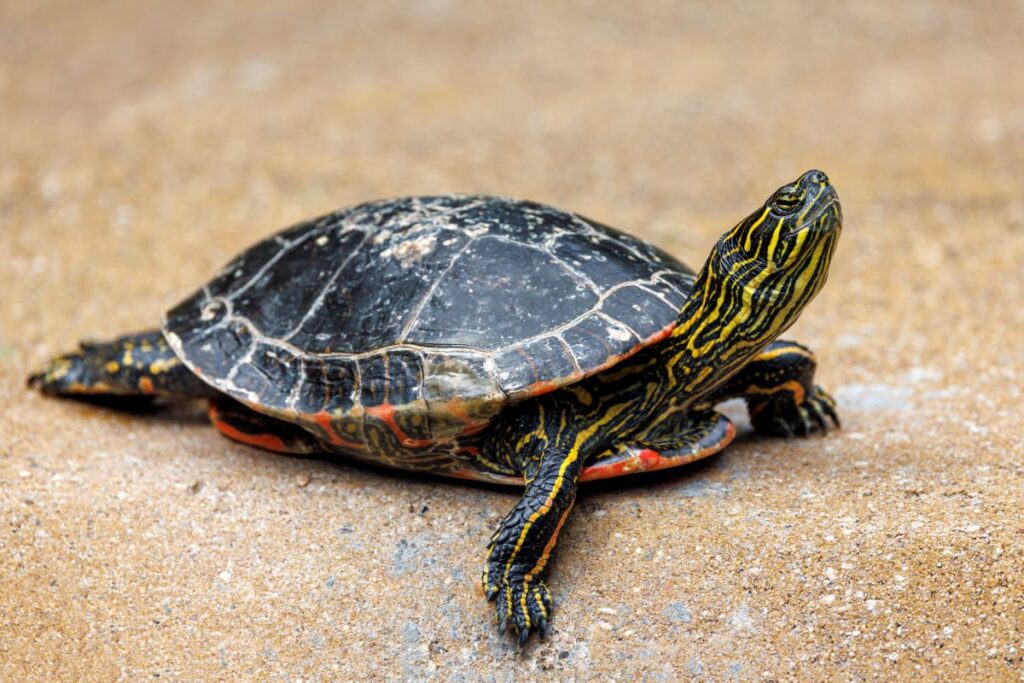
The eastern painted turtle (Chrysemys picta picta) is a freshwater turtle commonly found in North America. It is known for its smooth shell and colorful markings along the edges and limbs.
Artists are drawn to features such as:
- Dark, glossy shell surfaces
- Red, yellow, and orange striping
- Rounded, grounded body form
- Calm, steady posture
These characteristics lend themselves well to detailed painting and study.
Symbolic Meaning of Turtles in Art and Culture
Turtles have deep symbolic significance across many cultures. Unlike butterflies, turtles often represent stability rather than change.
Common symbolic meanings include:
- Longevity and endurance
- Wisdom and patience
- Protection and resilience
- Connection to earth and water
In art, turtles are often used to communicate calm strength and balance, making them ideal subjects for contemplative wildlife artwork.
Capturing Turtle Patterns and Textures
Painting turtles requires close attention to texture. The contrast between the hard shell and softer skin offers artists an opportunity to explore surface variation.
Artists typically focus on:
- Layering colors to show shell depth
- Using fine lines for scale and skin texture
- Highlighting reflections on smooth shell surfaces
- Emphasizing pattern repetition
These details help bring realism and tactile quality to turtle artwork.
Use of Turtles in Wildlife and Educational Art
The eastern painted turtle frequently appears in:
- Wildlife illustration
- Educational textbooks and posters
- Conservation-focused artwork
- Children’s nature books
Because of its clear markings, it is often used to teach observation and drawing skills. Artists and educators value it as an example of accessible wildlife art.
Artistic Techniques Used for Reptile Painting
Reptile painting differs from mammal or bird art due to surface texture and form. Artists often adapt their techniques to suit the subject.
Common techniques include:
- Dry brushing to suggest texture
- Layered glazing for shell depth
- Controlled highlights to show smooth surfaces
- Neutral backgrounds to emphasize form
These methods help artists convey the physical presence and weight of turtles in a believable way.

Landscape Paintings & Nature Art Styles
Landscape paintings are one of the oldest and most enduring forms of art. They provide a broader view of nature, placing animals and natural elements within a larger environment.
What Are Landscape Paintings?
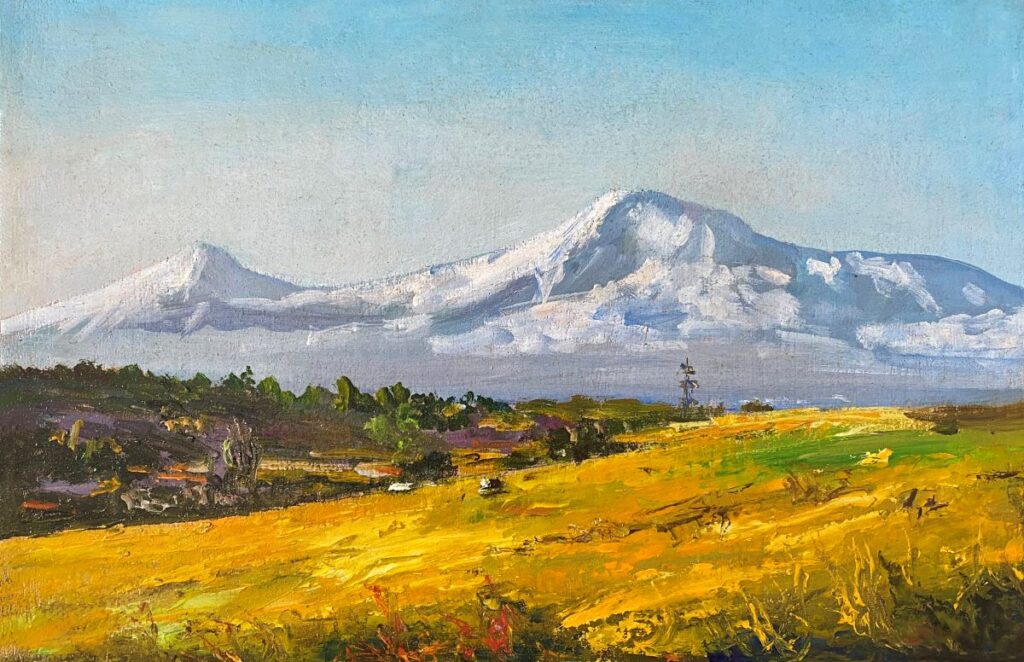
Landscape paintings depict outdoor scenes such as forests, mountains, rivers, fields, and skies. The focus is on the natural environment rather than individual figures.
Typical elements include:
- Landforms like hills and valleys
- Water features such as lakes or oceans
- Vegetation and trees
- Atmospheric elements like clouds and light
Landscape artwork often aims to capture a sense of place or mood.
Historical Overview of Landscape Artwork
Landscape art has evolved significantly over time. In early art, landscapes were often backgrounds for religious or mythological scenes.
Key historical developments include:
- Chinese landscape painting emphasizing harmony
- Renaissance landscapes supporting narrative scenes
- Romantic landscapes focusing on emotion and scale
- Modern landscapes exploring abstraction and color
Each period reflects changing relationships between humans and nature.
Common Landscape Art Styles
Landscape paintings exist in many styles, each offering a different perspective on nature.
Popular styles include:
- Realistic: Detailed and accurate representations
- Impressionist: Focus on light, color, and atmosphere
- Abstract: Simplified or symbolic forms
- Expressive: Emotional interpretation over accuracy
Artists choose styles based on personal vision and emotional intent.
Natural Elements Used in Landscapes
Landscape artwork draws from a wide range of natural components. These elements help establish depth, scale, and mood.
Frequently used elements include:
- Trees and plant life
- Rocks and terrain
- Water reflections
- Seasonal changes
- Light and shadow
Animals like butterflies or turtles may appear as subtle details within larger scenes.
Why Landscape Art Remains Timeless
Landscape paintings continue to resonate because they connect viewers to nature. Even in urban settings, landscape art offers a sense of calm and escape.
Reasons for its lasting appeal include:
- Universal connection to nature
- Emotional and psychological impact
- Flexibility across styles and mediums
- Endless variation and inspiration
Landscape artwork remains central to nature art because it reflects both the outer world and the inner state of the artist.

Frequently Asked Questions
What is the painted lady butterfly in art?
In art, the painted lady butterfly is often used as a symbol of transformation and beauty. Artists focus on its warm colors and symmetrical patterns to create visually engaging nature art. It appears in realistic studies, decorative illustrations, and symbolic compositions.
What does the eastern painted turtle represent in artwork?
The eastern painted turtle commonly represents patience, longevity, and stability. Its calm presence and strong shell make it a symbol of endurance. Artists use it in wildlife and educational art to convey balance and connection to nature.
What are landscape paintings?
Landscape paintings depict natural outdoor scenes such as forests, mountains, or rivers. The main focus is the environment rather than people. Landscape artwork can be realistic, impressionist, or abstract, depending on the artist’s approach.
How does nature influence artistic styles?
Nature influences artists through color, texture, form, and mood. Observing natural light, movement, and patterns helps artists develop different styles. Nature art often reflects the artist’s emotional response to the environment.
Why are animals common subjects in nature art?
Animals provide strong symbolism and visual interest. They allow artists to explore themes like life, survival, and harmony. Subjects like butterflies and turtles are especially popular because they are visually distinct and rich in meaning.
Is nature art suitable for beginner artists?
Yes, nature art is ideal for beginners. Subjects like landscapes, butterflies, and turtles help artists practice observation, color mixing, and composition. These subjects are accessible and offer endless variation for skill development.
Related Articles from PaintersDiary
- Greatest Painters of All Time & Their Most Famous Paintings
- Types of Paint Explained: Gouache Painting, Limewash & Tile Paint (Beginner Guide)
- How to Get Paint Out of Clothes (Acrylic, Oil & Dried Paint)
- Pumpkin Painting Ideas: Creative, Easy & Aesthetic Designs for All Ages
- How to Create Mood and Emotion Using Color in Painting