
Introduction
Paint Brushes are one of the most important tools an artist owns, yet they are often the most neglected. Whether you paint with acrylics, oils, or watercolors, proper care of Paint Brushes directly affects the quality of your artwork and the lifespan of your tools. Clean, well maintained brushes hold paint better, create smoother strokes, and respond more precisely to hand movement.
Many beginners believe Paint Brushes are disposable, but with correct cleaning and maintenance, a single brush can last for years. Improper care leads to stiff bristles, split tips, color contamination, and permanent damage. Learning how to clean and maintain Paint Brushes properly is not optional, it is a fundamental skill every artist should master.
This in depth guide explains everything you need to know about caring for Paint Brushes. You will learn how different paints affect brushes, how to clean them correctly after each session, how to deep clean neglected brushes, and how to store them safely. You will also find tables, maintenance schedules, and expert tips to keep your Paint Brushes in perfect condition.

Essential Supplies for Cleaning Paint Brushes
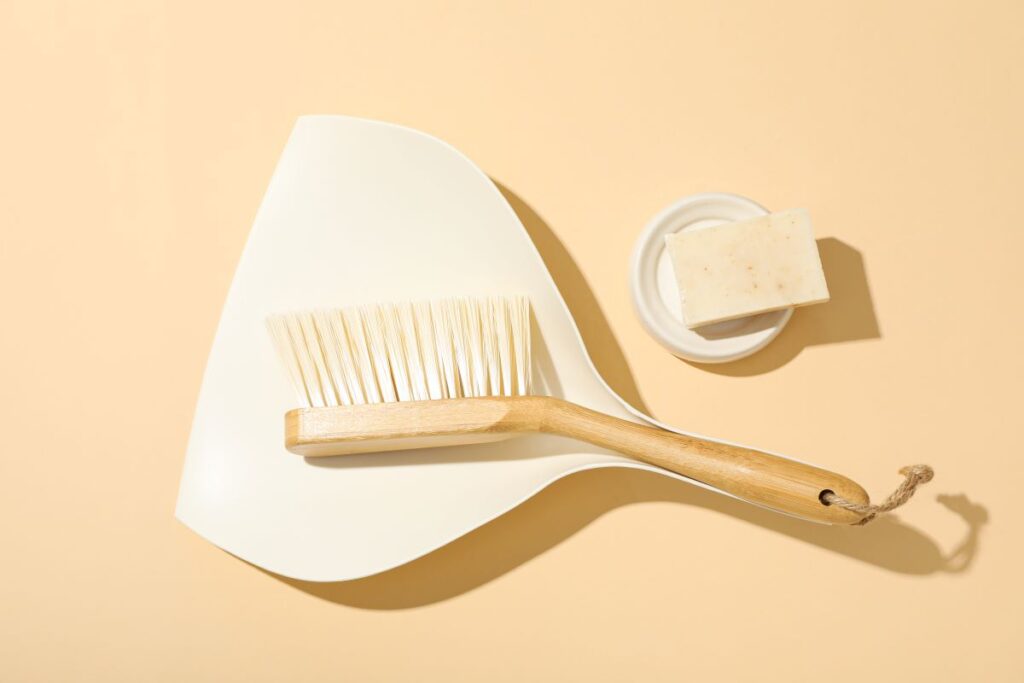
Having the right supplies makes brush maintenance easier and more effective.
Basic Cleaning Supplies
Mild soap or brush cleaner
Warm water
Paper towels or cloth
Brush cleaning mat or textured surface
Optional Deep Cleaning Supplies
Brush restorer solution
Natural oils for conditioning
Small container for soaking
Cleaning Supplies Table
| Item | Purpose |
|---|---|
| Mild Soap | Removes paint |
| Warm Water | Loosens pigment |
| Cleaning Mat | Removes residue |
| Brush Restorer | Revives bristles |
Using harsh detergents can damage Paint Brushes, especially natural hair ones.
How to Clean Paint Brushes After Acrylic Painting
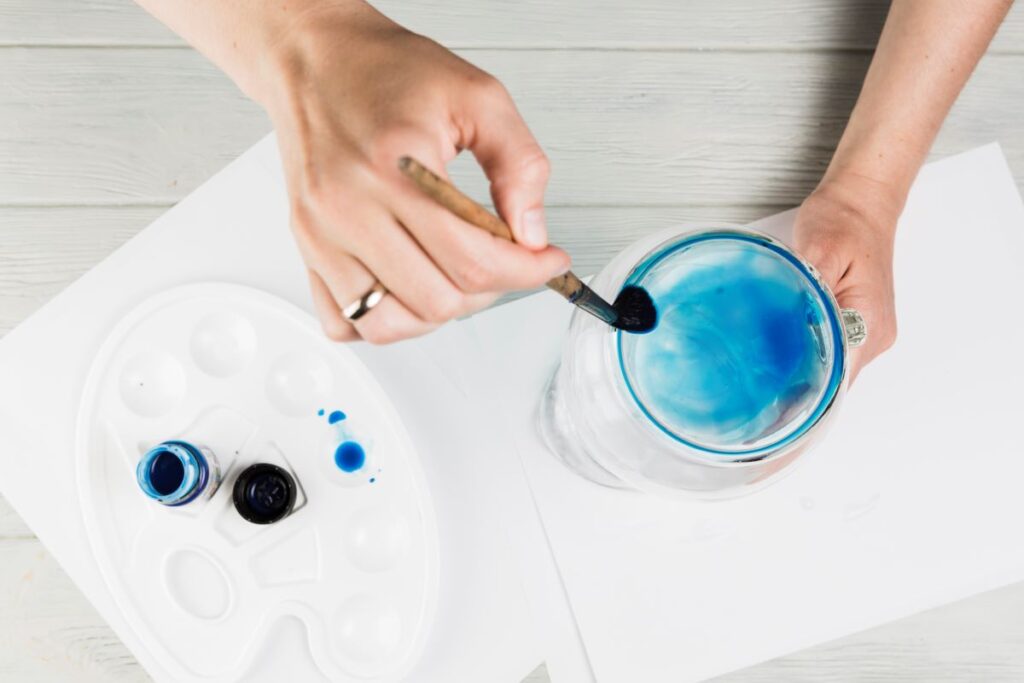
Cleaning Paint Brushes after using acrylic paint should be done immediately to prevent permanent damage.
Step by Step Acrylic Brush Cleaning
Rinse brush under lukewarm water
Gently massage soap into bristles
Work paint out from base to tip
Rinse until water runs clear
Reshape bristles and lay flat to dry
Common Acrylic Cleaning Mistakes
Letting paint dry in the brush
Using hot water
Scrubbing aggressively
Proper acrylic brush care is one of the most important habits an artist can develop.
How to Clean Paint Brushes After Oil Painting
Oil paint requires a different approach because it does not dissolve in water.
Oil Brush Cleaning Process
Wipe excess paint with cloth
Rinse brush in appropriate solvent
Wash with mild soap and water
Rinse thoroughly
Reshape and dry
Solvent Safety Tip
Always use solvents in a well ventilated area and avoid soaking Paint Brushes for long periods.
Oil Brush Cleaning Table
| Step | Purpose |
|---|---|
| Wiping | Removes excess paint |
| Solvent Rinse | Breaks oil |
| Soap Wash | Removes residue |
| Drying | Preserves shape |
How to Clean Paint Brushes After Watercolor Painting
Watercolor Paint Brushes are easier to clean but still require care.
Watercolor Brush Cleaning Steps
Rinse in clean water
Gently swirl on cleaning mat
Remove pigment near ferrule
Reshape tip
Dry horizontally
Never leave watercolor Paint Brushes standing in water, as this bends bristles permanently.
Summary of Cleaning Methods So Far
| Paint Type | Cleaning Method |
|---|---|
| Acrylic | Immediate soap and water |
| Oil | Solvent then soap |
| Watercolor | Water and gentle soap |
How to Deep Clean Neglected Paint Brushes
Even with good habits, Paint Brushes can sometimes become stiff or clogged with dried paint. Deep cleaning helps restore flexibility and usability when regular cleaning is not enough.
When Deep Cleaning Is Necessary
Bristles feel hard or sticky
Brush no longer holds a sharp tip
Paint residue is visible near the ferrule
Safe Deep Cleaning Method
Soak bristles in warm water for a few minutes
Apply brush cleaner or mild soap
Gently work cleaner into bristles
Rinse thoroughly and repeat if needed
Reshape and dry flat
Avoid soaking Paint Brushes overnight, as prolonged exposure weakens glue inside the ferrule.
How to Restore Stiff or Misshapen Paint Brushes
While severely damaged Paint Brushes cannot always be saved, many stiff or bent brushes can be improved with proper care.
Restoring Stiff Brushes
Use a brush restorer solution
Massage bristles gently with fingers
Rinse and reshape
Fixing Bent or Frayed Bristles
Dip bristles briefly in warm water
Reshape with fingers
Allow to dry with protective cover
Brush Restoration Success Table
| Condition | Restoration Possible |
|---|---|
| Slight stiffness | High |
| Moderate fraying | Medium |
| Hardened ferrule | Low |
| Split bristles | Very low |
How Often Should You Clean Paint Brushes
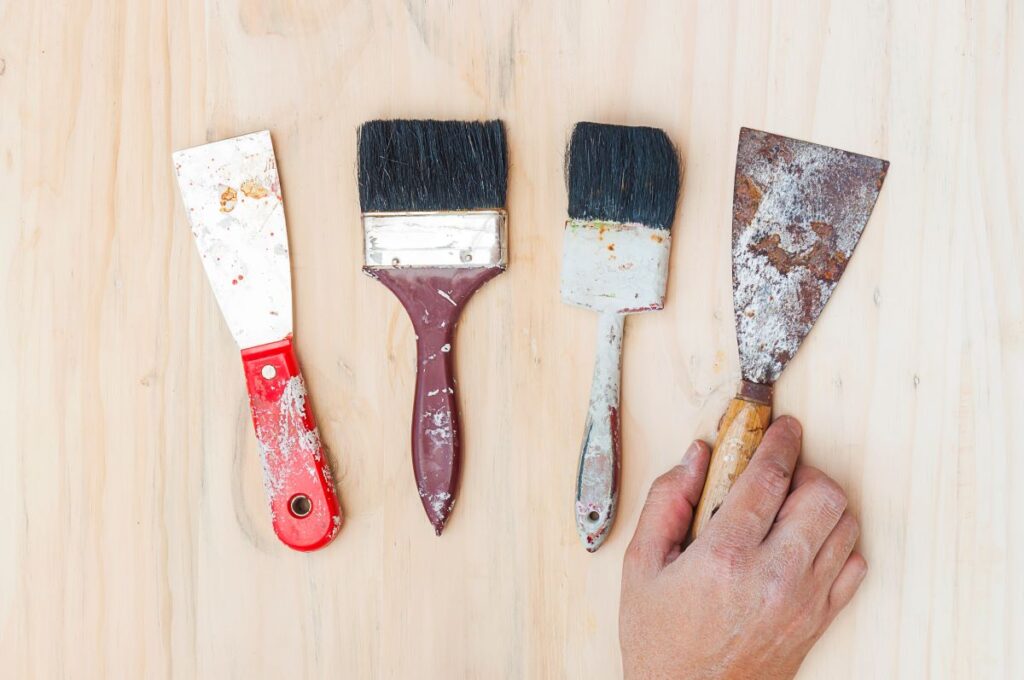
Cleaning frequency is critical for maintaining Paint Brushes and depends on how often and what you paint.
Cleaning Frequency Guidelines
After every painting session
Immediately after acrylic use
Same day after oil painting
Rinse during long sessions
Brush Maintenance Schedule Table
| Activity | Cleaning Required |
|---|---|
| Short session | Basic cleaning |
| Long session | Mid session rinse |
| Acrylic painting | Immediate |
| Oil painting | Same day |
Consistent cleaning prevents long term damage to Paint Brushes.
Proper Drying Techniques for Paint Brushes
Drying Paint Brushes correctly is just as important as cleaning them.
Correct Drying Practices
Lay brushes flat on a towel
Hang brushes bristles down if possible
Ensure airflow around bristles
Drying Mistakes to Avoid
Standing brushes upright while wet
Drying near heat sources
Leaving moisture in the ferrule
Improper drying can loosen the glue and cause Paint Brushes to shed bristles.
How to Store Paint Brushes Safely
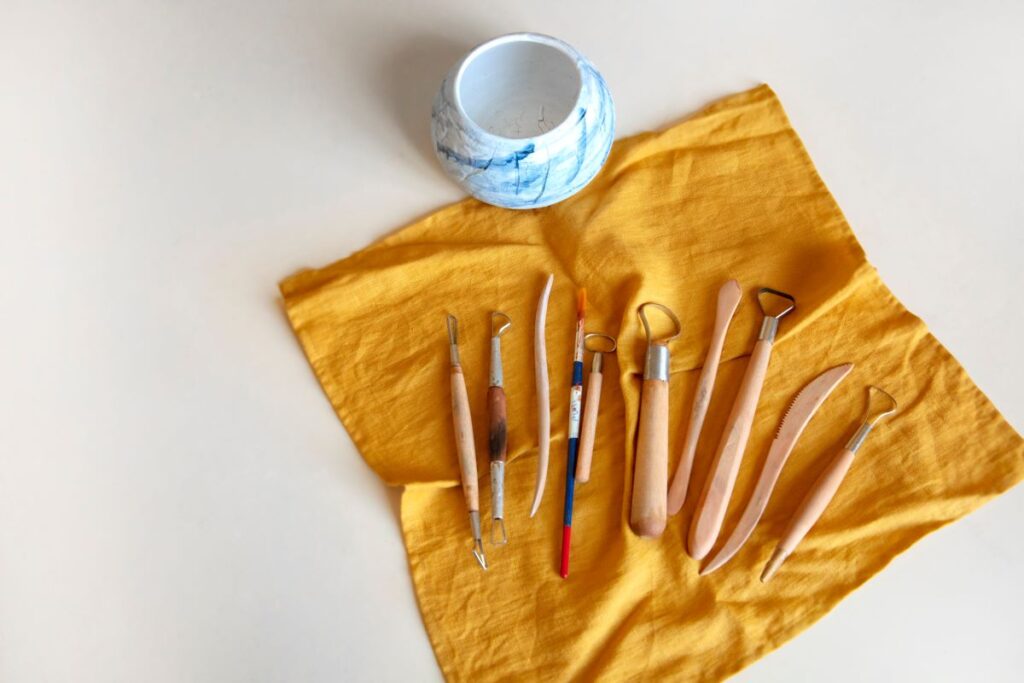
Storage plays a major role in maintaining the shape and longevity of Paint Brushes.
Ideal Storage Conditions
Dry environment
Bristles protected
No pressure on tips
Storage Methods
Brush rolls
Protective plastic covers
Upright containers once fully dry
Brush Storage Comparison Table
| Storage Method | Protection Level |
|---|---|
| Brush Roll | High |
| Plastic Cover | Medium |
| Upright Jar | Medium |
| Loose Drawer | Low |
Common Mistakes That Ruin Paint Brushes
Many artists unknowingly damage Paint Brushes through simple habits.
Mistakes to Avoid
Leaving brushes soaking in water
Using harsh detergents
Scrubbing aggressively
Storing brushes wet
Letting paint dry in bristles
Avoiding these habits significantly extends the life of Paint Brushes.
Can You Use Household Products to Clean Paint Brushes
Some household items can be used safely, while others should be avoided.
Safe Household Options
Mild dish soap
White vinegar for dried paint
Hair conditioner for conditioning
Unsafe Products
Bleach
Alcohol
Strong degreasers
Household Product Safety Table
| Product | Safe to Use |
|---|---|
| Mild Soap | Yes |
| Vinegar | Limited |
| Conditioner | Yes |
| Bleach | No |
Use household products cautiously to avoid damaging Paint Brushes.
Summary of Maintenance Techniques Covered
| Maintenance Area | Key Action |
|---|---|
| Deep Cleaning | Use gentle cleaners |
| Restoration | Reshape carefully |
| Drying | Lay flat |
| Storage | Protect bristles |
| Frequency | Clean after use |
Long Term Maintenance Tips for Paint Brushes
Maintaining Paint Brushes over the long term requires consistency and attention to detail. Small habits practiced regularly can add years to the life of your brushes.
Daily Maintenance Habits
Clean brushes immediately after use
Reshape bristles before drying
Store brushes properly once dry
Weekly Maintenance Practices
Inspect bristles for buildup
Deep clean if necessary
Condition natural hair brushes lightly
Monthly Maintenance Check
Assess overall brush condition
Remove permanently damaged brushes
Reorganize storage to prevent pressure
Maintenance Routine Table
| Frequency | Action |
|---|---|
| Daily | Basic cleaning |
| Weekly | Inspection |
| Monthly | Deep maintenance |
How to Care for Paint Brushes While Traveling
Artists who travel or paint outdoors must take extra precautions to protect Paint Brushes.
Travel Care Tips
Use brush rolls or hard cases
Allow brushes to dry before packing
Protect tips with covers
Outdoor Painting Challenges
Dust and debris exposure
Limited water access
Temperature changes
Travel Protection Table
| Situation | Solution |
|---|---|
| Wet brushes | Separate container |
| Outdoor painting | Covered case |
| Long travel | Brush roll |
How Long Do Paint Brushes Last
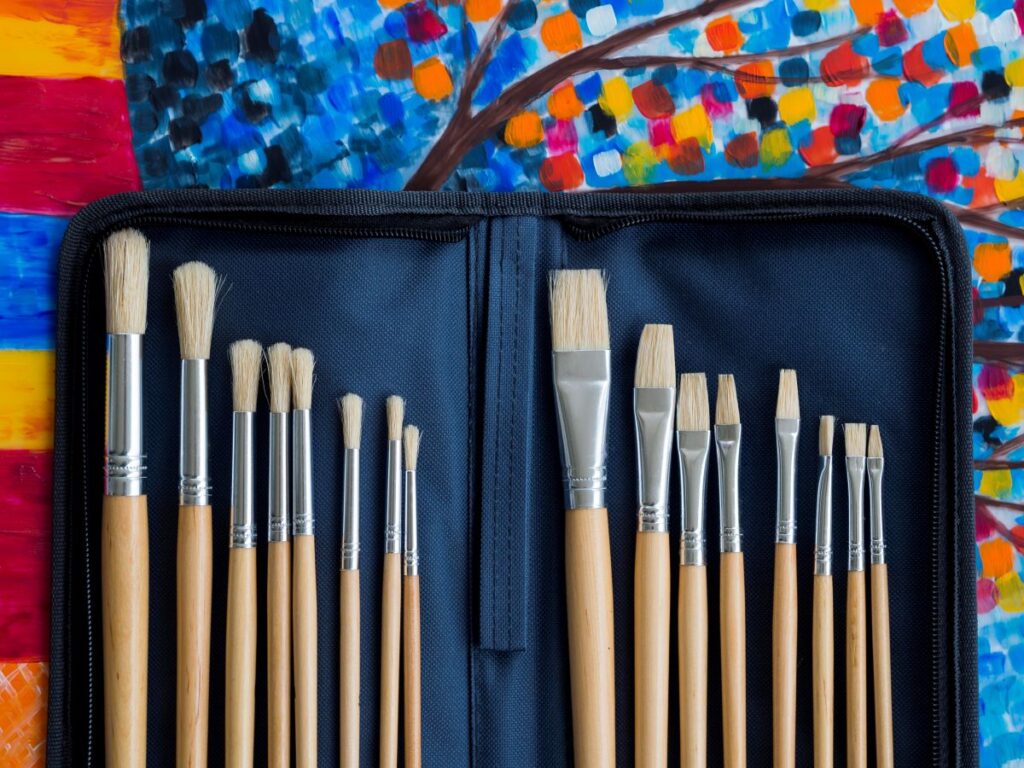
The lifespan of Paint Brushes depends on quality, usage, and care.
Average Brush Lifespan
Student grade brushes may last months
Professional brushes can last years
Poor maintenance shortens lifespan drastically
Lifespan Expectation Table
| Brush Quality | Expected Lifespan |
|---|---|
| Student Grade | 3 to 6 months |
| Mid Range | 1 to 3 years |
| Professional | 5 years or more |
Consistent care greatly extends the usable life of Paint Brushes.
Signs It Is Time to Replace Paint Brushes
Even well maintained Paint Brushes eventually wear out.
Clear Replacement Indicators
Bristles no longer hold shape
Severe fraying or splitting
Loose ferrule
Poor paint control
Using worn out brushes can negatively affect painting results.
Professional Brush Care Routines
Professional artists treat Paint Brushes as valuable tools and follow disciplined care routines.
Common Professional Practices
Separate brushes by paint type
Use dedicated cleaning stations
Avoid cross contamination of paints
Label brush sets for specific mediums
Professional Care Table
| Practice | Benefit |
|---|---|
| Medium separation | Prevents damage |
| Dedicated cleaners | Consistency |
| Proper storage | Shape retention |
Environmental Considerations When Cleaning Paint Brushes
Cleaning Paint Brushes responsibly is important for personal and environmental safety.
Eco Friendly Cleaning Tips
Avoid pouring solvents down drains
Use biodegradable soaps
Wipe excess paint before washing
Waste Reduction Table
| Action | Impact |
|---|---|
| Wiping paint | Less waste |
| Reusing solvents | Reduced pollution |
| Proper disposal | Environmental safety |
Can proper brush cleaning improve painting techniques
Yes, properly cleaned Paint Brushes significantly improve painting techniques. Clean brushes provide better paint flow, smoother strokes, and more accurate blending. Artists who practice advanced techniques such as smooth color transitions benefit greatly from well maintained brushes. You can learn how clean brushes enhance blending results in this detailed guide
https://paintersdiary.com/blending-techniques-in-painting-acrylic-oil-and-watercolor-compared/
Why is brush maintenance important for blending and detailing
Brush maintenance is essential because damaged or dirty Paint Brushes cannot hold paint evenly or form clean edges. This directly affects blending, detailing, and overall paint control. Well maintained brushes allow artists to execute techniques with precision and consistency.
Where can artists learn more about the structure of Paint Brushes
Artists who want a deeper technical understanding of Paint Brushes including bristle types and construction can explore this authoritative resource
https://en.wikipedia.org/wiki/Paintbrush
How often should Paint Brushes be replaced even with good care
Even with excellent maintenance, Paint Brushes should be replaced once they lose shape, flexibility, or paint holding ability. Regular inspection helps determine when replacement is necessary.
Is it necessary to clean Paint Brushes after every session
Yes cleaning Paint Brushes after every session is essential to prevent paint from drying in the bristles and damaging the ferrule.
Can I use hot water to clean Paint Brushes
Hot water should be avoided as it can loosen the glue inside the ferrule and damage Paint Brushes over time.
Should different Paint Brushes be used for different paints
Yes using separate Paint Brushes for acrylic oil and watercolor prevents residue buildup and extends brush life.