


Choosing the right paint is often confusing for beginners. With so many paint types available, it’s hard to know which one suits your project, surface, or skill level. Using the wrong paint can lead to poor results, wasted time, and unnecessary expense. Whether you are painting for art, home décor, or a DIY renovation, understanding paint types is essential.
This guide explains three commonly misunderstood options: gouache painting, limewash paint, and tile paint. Each serves a very different purpose and behaves differently on surfaces. By the end of this article, you’ll know what each paint type is, when to use it, and what mistakes to avoid. This article is designed for beginners, hobby painters, DIY homeowners, and artists who want clear, practical guidance before starting their next project.
What Is Gouache Painting?
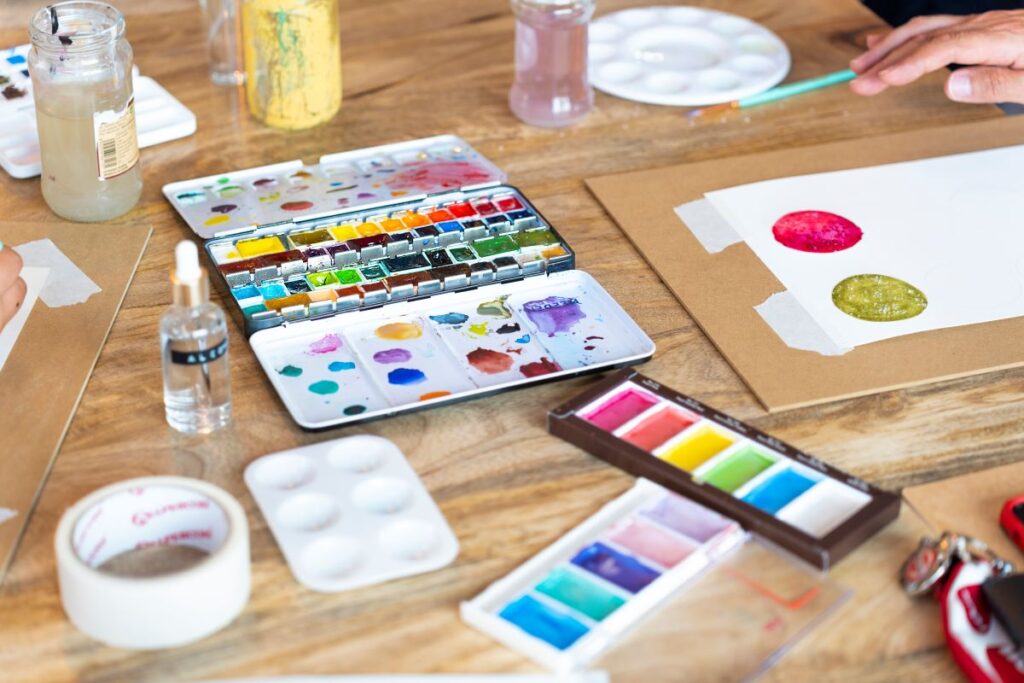
Gouache painting is a water-based painting method that uses opaque pigments mixed with gum arabic. Unlike transparent paints, gouache provides solid color coverage with a matte finish.
Gouache is popular among illustrators, designers, and beginner artists because it is easy to control and forgiving when mistakes happen.
How Gouache Differs from Watercolor and Acrylic
Gouache is often confused with watercolor and acrylic, but it behaves very differently.
- Gouache vs Watercolor
- Gouache is opaque, while watercolor is transparent
- Gouache can cover previous layers completely
- Watercolor relies on paper showing through
- Gouache vs Acrylic
- Gouache reactivates with water even after drying
- Acrylic becomes permanent and waterproof once dry
- Gouache dries matte; acrylic often dries glossy
This makes gouache painting ideal for flat illustrations and controlled color work.
When Gouache Painting Is Best Used
Gouache works best when precision and color control matter.
- Illustrations and graphic art
- Poster designs and flat artwork
- Sketchbook painting
- Learning color mixing techniques
It is especially useful for beginners who want fast results without complex techniques.
Beginner-Friendly Tips for Gouache Painting
Starting with gouache is easier when you follow a few basic practices.
- Use thick watercolor paper to prevent warping
- Start with less water and add gradually
- Work from dark to light colors
- Clean brushes often to keep colors vibrant
Gouache rewards patience and layering control.
Common Mistakes Beginners Make
Many beginners struggle with gouache because of avoidable errors.
- Using too much water, causing muddy colors
- Overworking dried areas
- Applying thick layers too quickly
- Expecting gouache to behave like acrylic
Understanding its reactivation property is key to mastering gouache painting.
Limewash Paint – Pros & Cons
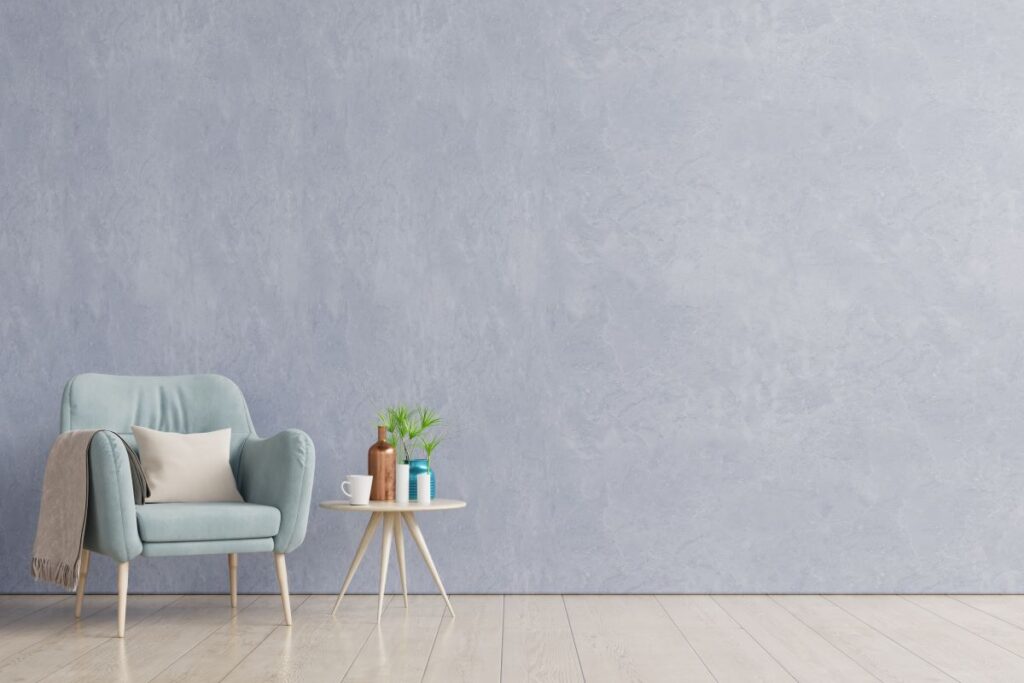
Limewash paint is a natural mineral-based paint made from crushed limestone mixed with water. It has been used for centuries on historic buildings and traditional architecture.
Unlike modern paints, limewash soaks into surfaces instead of sitting on top, creating a breathable and textured finish.
Where Limewash Paint Is Traditionally Used
Limewash has a long history in construction and interior design.
- Historic homes and heritage buildings
- Brick, stone, and plaster walls
- Mediterranean and rustic interiors
- Exterior masonry surfaces
Its soft, chalky appearance makes it popular in modern minimalist homes as well.
Pros and Cons of Limewash Paint
Pros
- Natural and eco-friendly
- Breathable, reduces moisture buildup
- Unique textured, aged appearance
- Resistant to mold and bacteria
Cons
- Limited color options
- Requires specific surfaces
- Not suitable for high-traffic areas
- Needs periodic reapplication
Limewash paint prioritizes aesthetics and breathability over durability.
Best Surfaces for Limewash Paint
Limewash performs best on porous materials.
- Brick and exposed masonry
- Natural stone
- Lime plaster
- Untreated concrete
It does not adhere well to sealed or glossy surfaces without special preparation.
Maintenance and Durability Tips
Limewash paint ages naturally and requires care.
- Expect gradual fading over time
- Avoid harsh cleaning chemicals
- Touch up areas instead of repainting entirely
- Accept natural variations as part of the finish
Proper surface preparation greatly improves its lifespan.
Tile Paint – When & How to Use It
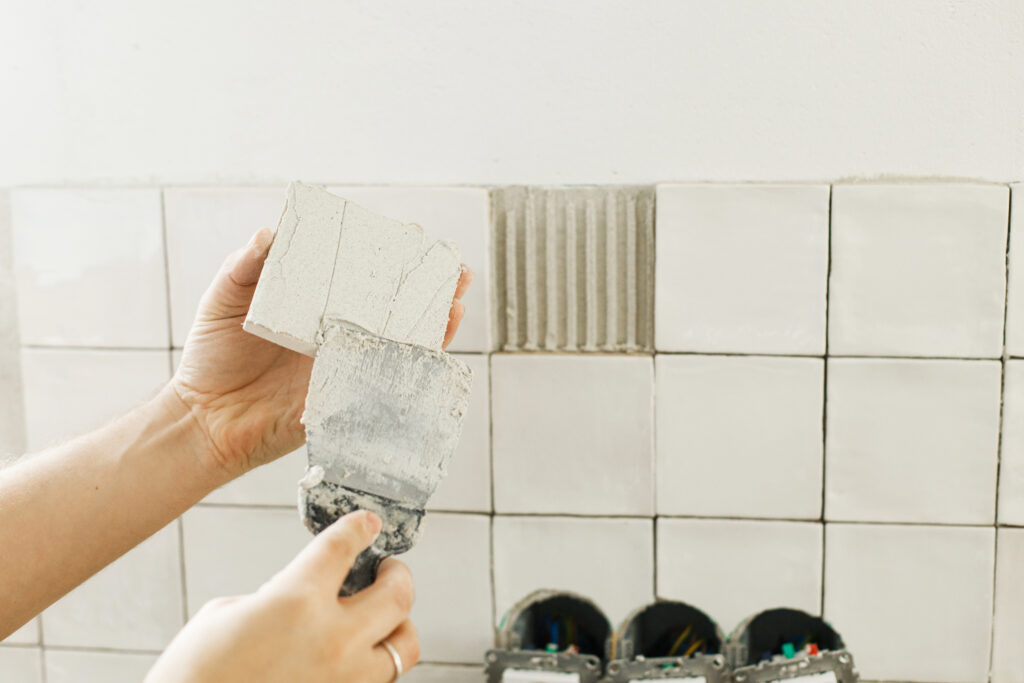
Tile paint is a specially formulated coating designed to bond to ceramic, porcelain, and other glazed surfaces. It allows you to refresh tiles without replacing them.
Tile paint is commonly used in bathrooms, kitchens, and laundry areas for cost-effective renovations.
What Tile Paint Is
Tile paint is usually an epoxy-based or enamel-based paint.
- Designed for smooth, non-porous surfaces
- Provides a durable, washable finish
- Resists moisture and mild heat
It creates a surface-level transformation rather than altering the tile itself.
Surfaces Tile Paint Works Best On
Tile paint is suitable for specific areas.
- Bathroom wall tiles
- Kitchen backsplash tiles
- Laundry room tiles
- Decorative tiles with low wear
It is not ideal for all tiled surfaces.
Step-by-Step Guide to Applying Tile Paint
Follow these steps carefully for best results.
- Clean tiles thoroughly to remove grease and soap residue
- Lightly sand the surface for better adhesion
- Apply a bonding primer designed for tiles
- Paint using thin, even coats
- Allow full curing time before use
Skipping preparation steps often leads to peeling.
Do’s and Don’ts for Long-Lasting Results
Do
- Use paint specifically labeled for tiles
- Allow proper drying and curing time
- Ventilate the area well
Don’t
- Paint floor tiles with heavy foot traffic
- Apply thick coats
- Skip primer
Patience during application ensures durability.
When Tile Paint Is NOT Recommended
Tile paint is not a universal solution.
- Shower floors and wet zones
- Countertops with heavy use
- Outdoor tiled surfaces
- High-heat areas near stoves
In these cases, replacement or resurfacing is a better option.
Frequently Asked Questions
What is gouache painting best for?
Gouache painting is best for illustrations, flat designs, and beginner art projects. Its opaque nature allows easy correction and layering. Artists often use it for posters, sketchbooks, and controlled compositions where bold, matte colors are preferred.
Is limewash paint durable for modern homes?
Limewash paint is durable on appropriate surfaces but not designed for high-traffic areas. It works best on brick, stone, and plaster walls. While it ages naturally, it requires maintenance and touch-ups over time.
Can tile paint be used on bathroom floors?
Tile paint is not recommended for bathroom floors. Constant moisture and foot traffic cause peeling and wear. Tile paint performs better on wall tiles or low-contact decorative surfaces.
Does gouache painting reactivate after drying?
Yes, gouache reactivates with water even after drying. This allows blending and corrections but also means layers can lift if overworked. Using controlled water amounts helps maintain clean results.
Is limewash paint waterproof?
Limewash paint is not waterproof but breathable. It allows moisture to pass through, reducing trapped dampness. This makes it unsuitable for areas requiring sealed, washable finishes.
How long does tile paint last?
With proper preparation, tile paint can last several years on wall tiles. Longevity depends on surface prep, paint quality, and usage conditions. High-use areas reduce its lifespan significantly.
Can beginners use these paint types easily?
Yes, beginners can use all three with proper guidance. Gouache painting is beginner-friendly for art. Limewash requires surface understanding. Tile paint demands careful preparation but is manageable for DIY projects.
Related Articles from PaintersDiary
- How to Get Paint Out of Clothes
- Pumpkin Painting Ideas: Creative, Easy & Aesthetic Designs for All Ages
- How to Create Mood and Emotion Using Color in Painting