

Introduction
Face painting has become a must-have activity at children’s birthday parties, school fairs, festivals, and family events. It instantly creates excitement, encourages imagination, and allows children to step into a playful world of animals, fantasy, and creativity. Whether it’s a small backyard party or a large public event, face painting brings smiles and memorable moments.
Among the most popular designs, butterfly face paint and cat face paint stand out year after year. Butterflies are loved for their bright colors, magical appearance, and artistic freedom, while cat designs are timeless, cute, and easy for children to recognize and enjoy. These designs work well for all ages and skill levels.
This beginner-friendly guide explains how to create butterfly and cat face paint designs step by step, what tools and colors to use, and how to keep kids safe and comfortable. It is designed for parents, beginners, hobby artists, and anyone interested in face painting for fun or events.
Butterfly Face Paint Ideas
Why Butterfly Face Paint Is Popular
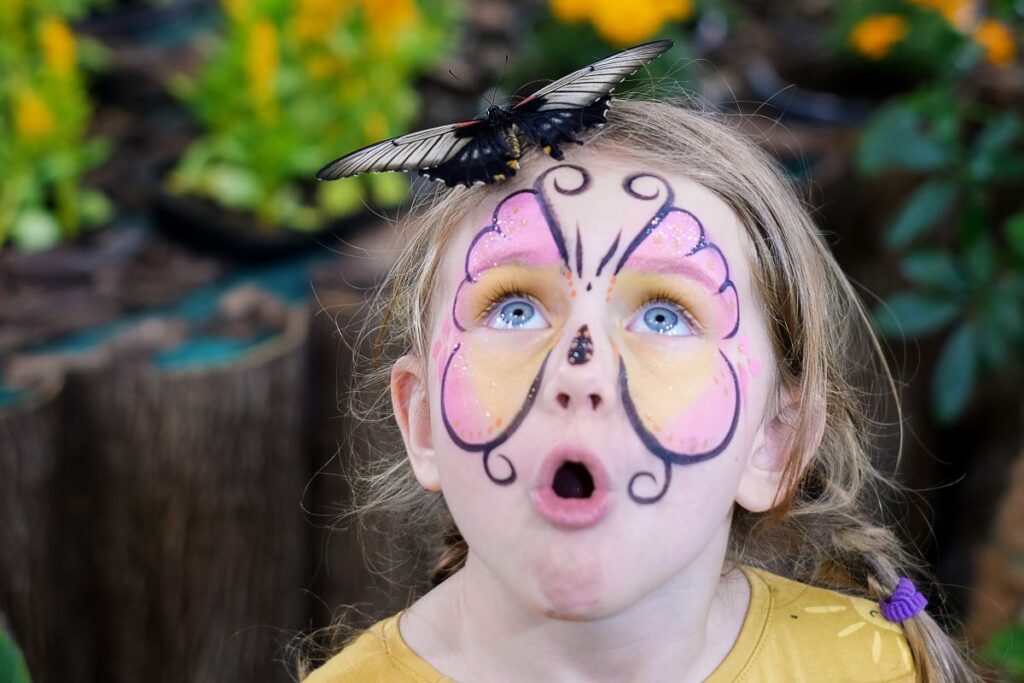
Butterfly face paint is one of the most requested designs at kids’ events because it feels magical and expressive. Children love butterflies because they are colorful, gentle, and associated with nature and imagination. Unlike many other designs, butterfly face paint allows for creativity without strict rules, making it perfect for beginners.
Another reason butterfly face paint is popular is its flexibility. The design can cover the full face or focus only on the eyes and cheeks. This makes it ideal for younger children who may not want their entire face painted. The symmetrical wings also make the design visually balanced and attractive in photos.
Butterfly designs work well for birthday parties, spring events, school celebrations, and festivals, making them a reliable choice for any face painter.
Color Combinations and Styles
Choosing the right color combinations is essential for a beautiful butterfly face paint design. Some of the most popular combinations include:
- Pink, purple, and white for a soft and fairy-like appearance
- Blue, green, and yellow for a nature-inspired look
- Rainbow colors for high-energy parties and festivals
- Orange, black, and yellow for a monarch butterfly style
You can also adapt the style based on the child’s preference. Some children prefer bold and bright wings, while others enjoy softer pastel designs. Adding white highlights and gentle outlines helps the colors stand out and gives the butterfly a finished look.
Step-by-Step Butterfly Face Paint Process
Follow these clear and beginner-friendly steps to create a butterfly face paint design safely and confidently.
- Prepare the face
Clean the child’s face using a gentle wipe or damp cloth. Make sure the skin is dry and free of oils or lotions. Tie back hair and explain what you are going to do so the child feels relaxed. - Apply the base wing colors
Using a sponge or soft brush, apply your main colors around the eyes and upper cheeks. Start from the center of the face and move outward toward the temples. Use light pressure for smooth blending. - Shape the wings
With a thin brush and darker paint, outline the wing edges. Create gentle curves and points to resemble butterfly wings. Keep the lines soft and flowing. - Add decorative details
Paint dots, swirls, or teardrop shapes inside the wings using white or contrasting colors. These small details add depth and creativity to the design. - Finish with highlights
Add white highlights near the eyes and edges of the wings. If desired, apply cosmetic-grade glitter sparingly for sparkle.
Beginner-Friendly Design Tips
- Start with two or three colors instead of many
- Keep designs symmetrical for a balanced look
- Practice wing shapes on paper before painting on skin
- Use light brush pressure to avoid harsh lines
Simple butterfly face paint designs often look cleaner and more professional than overly complicated ones.
Common Mistakes to Avoid
- Using too much water, which causes paint to run
- Pressing brushes too hard on sensitive skin
- Skipping outlines, making the design look unfinished
- Applying glitter too close to the eyes
Avoiding these mistakes helps ensure a safe and polished butterfly face paint result.
Cat Face Paint Designs
Why Cat Face Paint Is a Classic Choice
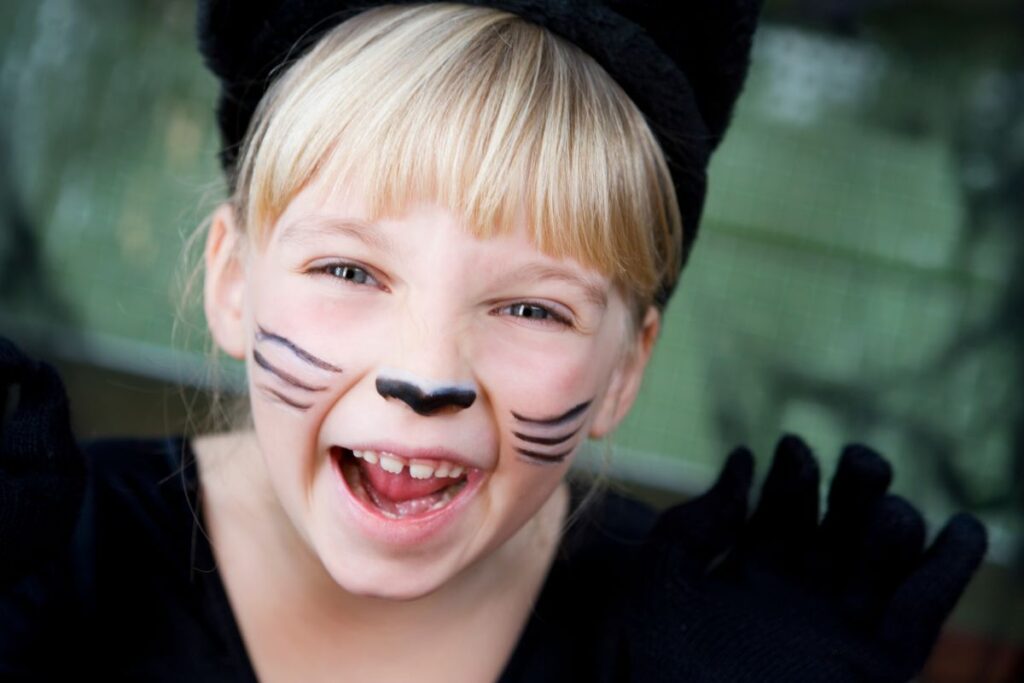
Cat face paint has remained a favorite for decades because it is simple, cute, and instantly recognizable. Children enjoy pretending to be animals, and cats are associated with playfulness and curiosity. This design works well for both boys and girls and suits a wide range of events.
Another advantage of cat face paint is that it requires fewer colors and tools, making it ideal for beginners and busy events. The design can be completed quickly while still looking adorable and expressive.
Simple Cat Face Paint Designs
Beginner-friendly cat face paint designs include:
- White muzzle with black whiskers
- Pink nose with minimal eye accents
- Soft gray or brown shading for a realistic kitten look
- Simple cheek-only designs for younger children
These designs are perfect for kids who prefer lighter face coverage or shorter painting times.
Step-by-Step Cat Face Paint Guide
Use these numbered steps to create a safe and easy cat face paint design.
- Prepare the face
Clean and dry the child’s face. Ask them to sit comfortably and relax. - Paint the muzzle area
Using white paint, create an oval shape around the mouth and upper lip. This forms the base of the cat’s muzzle. - Add the nose
Paint a small triangle or rounded shape on the tip of the nose using pink or black paint. - Draw whiskers and details
With a thin brush, draw whiskers on each cheek. Add a short line from the nose to the upper lip. - Enhance the eyes
Lightly outline the eyes or add small lines to give a playful cat expression.
Face Paint Tools and Colors Needed
Essential tools for cat face paint include:
- Water-based, non-toxic face paints
- Thin and medium brushes
- Soft sponges
- Baby wipes or damp cloth for cleanup
Recommended colors:
- White
- Black
- Pink
- Gray or brown
Having the right tools helps ensure smooth application and better results.
Safety Tips for Kids’ Face Painting
- Use only face paints labeled safe for skin
- Perform a patch test before painting
- Avoid painting over cuts or irritated skin
- Stop immediately if a child feels uncomfortable
Safety and comfort should always come before design details.
Conclusion
Face painting is more than just a fun activity—it is a creative experience that allows children to express themselves, build confidence, and enjoy special moments at parties and events. Designs like butterfly face paint and cat face paint remain popular because they are easy to recognize, adaptable for all ages, and beginner-friendly to create. With the right tools, safe products, and simple step-by-step techniques, anyone can learn to paint beautiful designs without professional training. Whether you are a parent helping at a birthday party, a beginner practicing new skills, or an artist painting at events, these designs offer a perfect balance of creativity, simplicity, and joy. Taking time to focus on safety and comfort ensures face painting stays a positive and memorable experience for every child.
Frequently Asked Questions
Is face paint safe for kids?
Face paint is safe for kids when you use water-based, non-toxic products designed specifically for skin. Avoid craft or acrylic paints. Always perform a patch test and remove paint gently using warm water and mild soap to prevent irritation.
How long does butterfly face paint take to apply?
A simple butterfly face paint design usually takes 5 to 10 minutes. More detailed designs with extra colors and glitter may take longer. Beginners should start with basic shapes to keep the process quick and enjoyable.
What colors work best for butterfly face paint?
Bright colors such as pink, purple, blue, and yellow work best for butterfly face paint. White is commonly used for highlights, while black helps define the wing edges. Limiting the palette keeps the design clean.
Can beginners easily do cat face paint?
Yes, cat face paint is one of the easiest designs for beginners. It uses simple lines, dots, and minimal colors. With basic brushes and a little practice, parents and beginners can confidently create a cute cat design.
How do you remove face paint safely?
Remove face paint using warm water, mild soap, and a soft cloth. Avoid scrubbing harshly, especially around the eyes. Baby wipes or gentle makeup removers for sensitive skin also work well.
What age is appropriate for face painting?
Children aged three and older usually enjoy face painting comfortably. Younger children may not like sitting still or having their face touched. Always respect the child’s comfort and stop if they show signs of irritation.
Can face paint cause allergic reactions in kids?
Face paint can sometimes cause irritation or allergic reactions, especially if the product contains heavy metals, non‑cosmetic ingredients, or fragrances. Always choose non‑toxic, cosmetic‑grade paints, and do a patch test on a small area first. For official safety guidance on selecting face paints and avoiding harmful ingredients, see the HealthyChildren.org article on choosing safe face paints and makeup.
Related Articles from PaintersDiary
- Nature Paintings Explained: Painted Lady Butterfly, Turtles & Landscapes in Art
- Greatest Painters of All Time & Their Most Famous Paintings
- Types of Paint Explained: Gouache Painting, Limewash & Tile Paint (Beginner Guide)
- How to Get Paint Out of Clothes (Acrylic, Oil & Dried Paint)
- Pumpkin Painting Ideas: Creative, Easy & Aesthetic Designs for All Ages