

Introduction
People across cultures and generations continue to search for famous painters and famous artists because art captures human history, emotion, and imagination in a way no other medium can. Yet knowing only the names is not enough. To truly appreciate art, we must understand why certain individuals are remembered as the greatest painters of all time.
Greatness in painting is defined by innovation, influence, technical mastery, and lasting cultural impact. Some artists reshaped how the world sees color and form, while others expressed emotions and ideas that still resonate centuries later.
This guide explores historically recognized master painters, explains what makes their work significant, and highlights their most famous paintings. You’ll also gain deeper insight into iconic figures like Gustav Klimt and Henri Matisse, and understand the meaning behind the term “Painter of the Night.”
Greatest Painters of All Time
To call someone one of the greatest painters of all time requires more than popularity. Art historians consider several defining factors.
What Makes an Artist “Great”?
An artist is generally regarded as great when they demonstrate:
- Historical impact – Their work influences future generations
- Innovation – They introduce new techniques, styles, or ideas
- Technical mastery – Strong command of composition, color, and form
- Cultural legacy – Their paintings remain relevant across time
Major Art Movements That Shaped Painting
Understanding famous artists requires context. Many painters are closely tied to movements that defined entire eras.
- Renaissance – Focus on realism, anatomy, and perspective
- Baroque – Dramatic lighting, movement, and emotional intensity
- Romanticism – Emotion, nature, and individual expression
- Impressionism – Light, color, and everyday scenes
- Modernism – Breaking traditional rules to explore abstraction and form
- Expressionism – Emotional and psychological depth
Historically Recognized Famous Painters
Below is a list of universally acknowledged famous painters, with brief explanations of their importance and famous artists paintings.
- Leonardo da Vinci
A Renaissance master known for scientific precision and artistic balance. His paintings blend anatomy, perspective, and emotion in unprecedented ways. - Michelangelo Buonarroti
Renowned for monumental figures and anatomical perfection. His work bridges sculpture and painting with unmatched intensity. - Rembrandt van Rijn
A master of light and shadow, Rembrandt’s portraits reveal deep psychological insight and human vulnerability. - Vincent van Gogh
Known for expressive brushwork and emotional intensity. His paintings transformed personal struggle into visual poetry. - Pablo Picasso
A revolutionary modern artist who co-founded Cubism and continuously reinvented his style across decades. - Claude Monet
Central to Impressionism, Monet focused on light, atmosphere, and fleeting moments in nature. - Johannes Vermeer
Famous for intimate domestic scenes and subtle use of light, creating quiet yet powerful compositions. - Gustav Klimt
A symbolist painter celebrated for decorative richness and emotional symbolism. - Henri Matisse
A pioneer of Fauvism, known for bold colors and simplified forms that reshaped modern art.
These artists created some of the most recognized famous artists paintings, studied and admired worldwide.

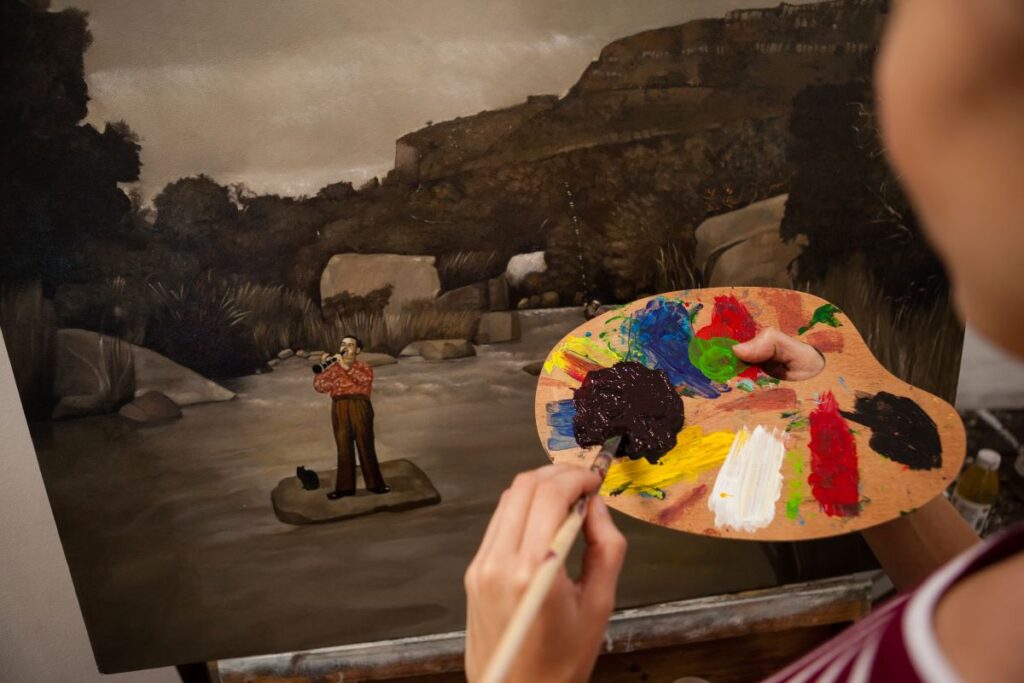
Who Was Gustav Klimt?
Gustav Klimt (1862–1918) was an Austrian painter and a central figure in the Vienna Secession movement. He challenged academic art traditions and embraced symbolism, ornamentation, and emotional depth.
Key Characteristics of Klimt’s Painting Style
Klimt’s style is instantly recognizable due to:
- Extensive use of gold leaf
- Flat, decorative patterns combined with realism
- Strong symbolic and sensual themes
- Emphasis on femininity and intimacy
Most Famous Gustav Klimt Paintings
Several Gustav Klimt paintings are considered masterpieces of modern art.
- The Kiss
A symbol of love and intimacy, combining gold textures with tender human emotion. - Portrait of Adele Bloch-Bauer I
A luxurious portrait blending realism with intricate decorative design. - Tree of Life
A symbolic work representing connection, eternity, and spiritual growth. - Judith and the Head of Holofernes
A powerful depiction of female strength and allure.
Symbolism, Themes, and Techniques
Klimt often explored:
- Love, desire, and mortality
- Psychological complexity
- Mythological and allegorical themes
His technique blurred the line between fine art and decorative design, making his work visually rich and intellectually layered.
Why Klimt Remains Influential Today
Klimt’s influence extends into modern illustration, fashion, and graphic design. His bold use of pattern and symbolism continues to inspire contemporary artists seeking emotional and decorative depth.

Matisse Paintings & Style
Who Was Henri Matisse?
Henri Matisse (1869–1954) was a French painter and one of the most important figures in modern art. His work emphasized color as an expressive force rather than a descriptive tool.
Fauvism Explained Simply
Fauvism was an early 20th-century art movement characterized by:
- Intense, non-naturalistic colors
- Simplified shapes
- Emotional expression over realism
Matisse was its leading figure.
Color Usage and Composition Style
Matisse believed color could convey feeling without detailed representation. His compositions often feature:
- Flat areas of bright color
- Strong outlines
- Balanced yet dynamic arrangements
Notable Matisse Paintings
Several Matisse paintings are widely studied and admired.
- The Dance
A celebration of movement and rhythm using minimal form and bold color. - Woman with a Hat
A radical portrait that challenged traditional color usage. - The Red Studio
A study of space and perspective using a dominant red palette. - Blue Nude
A simplified figure emphasizing shape and emotion.
How Matisse Influenced Modern Art
Matisse influenced abstraction, graphic design, and later movements such as Color Field painting. His belief in artistic freedom reshaped how artists approach form and expression.
Painter of the Night – Meaning & Art Style
What Does “Painter of the Night” Refer To?
The term Painter of the Night is often used to describe artists who focus on nocturnal themes, darkness, and emotional depth. It can also reference painters known for night scenes or symbolic darkness rather than a single historical title.
Artistic Interpretation and Symbolism
Night-themed art often symbolizes:
- Mystery and introspection
- Emotional solitude
- Dreams and subconscious thought
Painters of the night use darkness not as absence, but as expressive space.
Why the Term Attracts Modern Searches
Modern audiences are drawn to darker aesthetics due to:
- Emotional relatability
- Cinematic visual appeal
- Psychological symbolism
The phrase resonates with contemporary interest in mood-driven art.
Cultural and Stylistic Significance
Historically, night scenes allowed artists to experiment with:
- Artificial lighting
- Contrast and shadow
- Emotional storytelling
Many famous artists paintings featuring night themes remain among the most iconic in art history.


Frequently Asked Questions
Who are considered the greatest painters of all time?
The greatest painters of all time include Leonardo da Vinci, Michelangelo, Rembrandt, Vincent van Gogh, Pablo Picasso, Claude Monet, Gustav Klimt, and Henri Matisse. They are recognized for innovation, influence, technical mastery, and creating famous artists paintings that remain culturally significant.
Why are famous painters still relevant today?
Famous painters remain relevant because their work shaped modern visual language. Their techniques, themes, and ideas continue to influence contemporary art, design, and culture, making their paintings timeless references for creativity and expression.
What are Gustav Klimt’s most famous paintings?
Some of the most famous Gustav Klimt paintings include The Kiss, Portrait of Adele Bloch-Bauer I, Tree of Life, and Judith and the Head of Holofernes. These works are admired for symbolism, gold detailing, and emotional depth.
What makes Matisse paintings unique?
Matisse paintings are unique due to bold color usage, simplified forms, and emotional expression. Instead of realism, Matisse used color and composition to convey feeling, making him a central figure in modern art history.
What does “Painter of the Night” mean in art?
Painter of the Night refers to artists who focus on night scenes, darkness, or emotional depth. It symbolizes mystery, introspection, and psychological storytelling rather than literal darkness alone.
How do art movements affect famous artists paintings?
Art movements provide structure and shared ideas that shape how artists work. Renaissance, Impressionism, and Modernism influenced techniques, subject matter, and philosophy, helping define why certain artists became historically significant.
Are modern artists considered among the greatest painters?
Some modern artists are considered among the greatest painters due to innovation and influence. However, historical distance often helps solidify an artist’s legacy, making long-term impact a key factor in such recognition.
Related Articles from PaintersDiary
- Types of Paint Explained: Gouache Painting, Limewash & Tile Paint (Beginner Guide)
- How to Get Paint Out of Clothes (Acrylic, Oil & Dried Paint)
- Best Painting Supplies for Beginners on a Budget
- How to Clean and Maintain Your Paint Brushes Properly
- Blending Techniques in Painting: Acrylic, Oil, and Watercolor Compared