
Finding your own art style as a beginner painter is one of the most exciting and rewarding parts of becoming an artist. Developing a unique style is not just about how your work looks—it reflects your personality, influences, and creative vision. While some artists discover their style early in their journey, others take years of experimentation and practice. This guide will help you understand the process of discovering and refining your art style as a beginner so you can create works that feel truly yours.
What Does “Art Style as a Beginner” Mean?
Your art style as a beginner is the way your artwork communicates visually and emotionally to the viewer. It includes choices such as:
- Brushwork and technique
- Color palette
- Subject matter
- Composition and perspective
- Level of realism or abstraction
At the beginner stage, you may feel influenced heavily by other artists or trends. This is normal, and these influences will eventually help shape your unique style. Think of it as gathering tools and ideas that you will later adapt into your own voice.
Why Developing Your Art Style is Important
Developing your own art style as a beginner is not just about aesthetics—it impacts your growth as an artist in many ways:
| Benefit | Explanation |
|---|---|
| Creative Identity | A unique style helps you stand out and be recognized among other artists. |
| Consistency | Your style ensures your artworks have a coherent look, which is important for portfolios. |
| Confidence | Knowing your style builds confidence in your work and encourages experimentation. |
| Marketability | Collectors, galleries, and online buyers are more likely to notice a consistent, identifiable style. |

Step 1: Explore Different Art Forms and Techniques
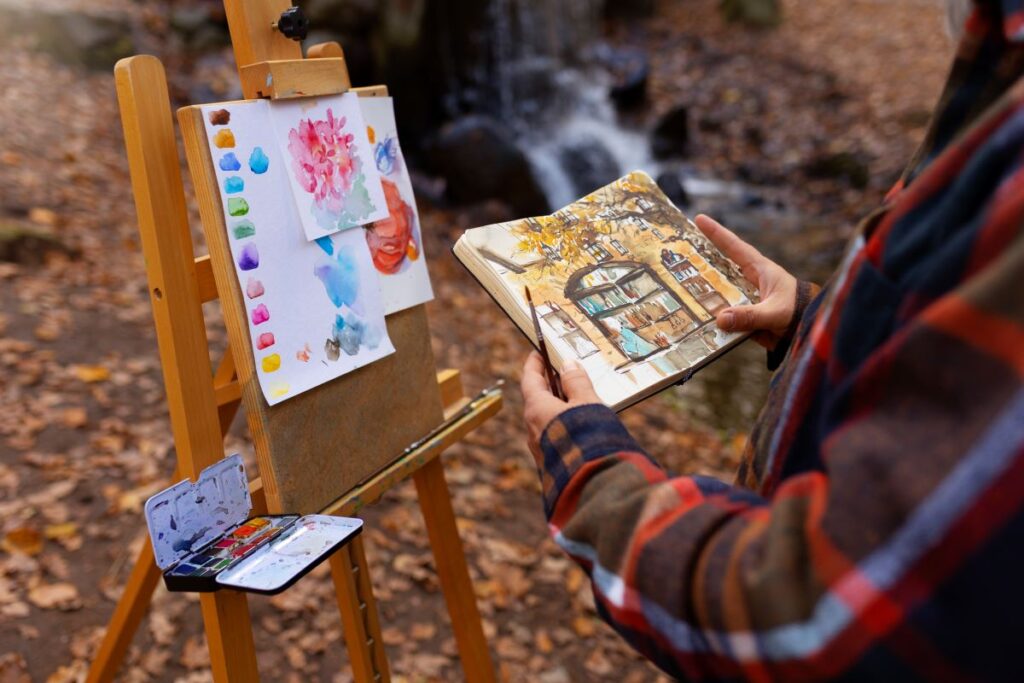
The first step in discovering your art style as a beginner is exposure. Experiment with various mediums, techniques, and subjects. Some things to try include:
- Acrylic painting
- Watercolors
- Oil painting
- Digital painting
- Mixed media
- Sketching and drawing
Try different brush strokes, textures, and tools. Keep a notebook or sketchbook to track your experiments and note what feels most natural or enjoyable.
Step 2: Study Other Artists for Inspiration
Studying other artists is a crucial step. Look at artists from different genres, both contemporary and classic. Pay attention to:
- How they use color
- Their brushwork and technique
- Composition and perspective
- Subject choices and storytelling
You can create an “inspiration board” of artworks you admire. This does not mean copying their work—rather, you are analyzing their techniques and figuring out what resonates with you.
Pro Tip: When studying other artists, write down what you like about their work. For example: “I like how Van Gogh uses bold brush strokes” or “I enjoy the subtle pastel colors in Monet’s paintings.” These notes can guide your experimentation.
Step 3: Identify Your Preferences
As you experiment, you will naturally start gravitating toward certain techniques, colors, or subjects. Identifying your preferences is key to shaping your art style as a beginner. Ask yourself questions like:
- Do I enjoy painting landscapes, portraits, or abstract forms?
- Do I prefer bold colors or muted tones?
- Am I drawn to realistic details or expressive, loose brush strokes?
By answering these questions, you can begin narrowing down the elements that will define your unique style.
| Preference | Example Choices | Notes |
|---|---|---|
| Medium | Oil, Acrylic, Watercolor | Choose the medium that feels most natural |
| Subject | Portraits, Landscapes, Abstract | Identify the subject you enjoy painting most |
| Color Palette | Warm, Cool, Neutral | Track which colors appeal to you |
| Technique | Realistic, Expressive, Mixed Media | Experiment with brushwork and textures |
Step 4: Practice Consistently and Experiment Freely
One of the most important ways to discover your art style as a beginner is through consistent practice. The more you paint, the more you will notice patterns in your work that reflect your preferences and tendencies.
Here are some tips for consistent practice:
- Set a Daily or Weekly Routine
Even 20–30 minutes of painting daily can make a huge difference. Consistency allows you to explore different ideas and gradually refine your style. - Experiment Without Pressure
Try new tools, mediums, and techniques without worrying about the final result. Mistakes are part of the learning process. - Create Mini Projects
Focused projects, such as painting five portraits in a week or experimenting with abstract landscapes, help you compare techniques and notice your natural inclinations. - Track Your Progress
Keep a visual journal or folder of all your works. Over time, you will see recurring elements that hint at your emerging style.
Step 5: Analyze Your Work to Find Patterns
After practicing, it’s time to reflect. Examine your recent paintings and look for recurring patterns. Consider the following:
| Pattern to Observe | Questions to Ask |
|---|---|
| Brushwork | Do I prefer smooth, detailed strokes or loose, expressive strokes? |
| Color Palette | Are there colors I use more often than others? |
| Composition | Do I focus on symmetry, minimalism, or complex arrangements? |
| Themes | Do I repeatedly paint landscapes, people, or abstract shapes? |
Recognizing these patterns will help you consciously start refining your style instead of leaving it random.
Step 6: Combine Influences Into Your Own Voice
By now, you have explored techniques, studied artists, and practiced consistently. The next step is blending influences into a style that feels uniquely yours.
- Take Inspiration, Not Imitation: Use what you admire from other artists but tweak it with your personality.
- Mix Techniques: Combine mediums, brush techniques, or subject matter in innovative ways.
- Experiment with Themes: Develop recurring subjects that reflect your interests and worldview.
For example, if you love impressionist landscapes but prefer bold colors like in modern abstract art, experiment with creating impressionist-inspired landscapes with your own vibrant palette.
Step 7: Seek Feedback and Critique
Getting feedback from others can be invaluable when defining your art style as a beginner.
- Join Online Art Communities: Platforms like DeviantArt, ArtStation, or Reddit’s r/ArtCrit can provide constructive criticism.
- Engage with Local Art Groups: Local art clubs or classes allow you to share your work and receive advice from peers.
- Mentorship: If possible, seek guidance from experienced artists who can give personalized insights.
Remember: Feedback is a tool to refine your style, not to dictate it. Keep experimenting until your style feels authentic.
Step 8: Document Your Style Development
Creating a record of your style evolution helps you stay aware of your growth and choices:
- Create a Style Journal: Include sketches, notes, color palettes, and favorite techniques.
- Maintain a Portfolio: Even at the beginner stage, start organizing your work in a digital or physical portfolio.
- Reflect Monthly: Review your work regularly to see which elements consistently appear and resonate.
This documentation will become a reference for future projects and a foundation for your artistic brand.
Step 9: Be Patient and Embrace Evolution
Developing a unique art style as a beginner doesn’t happen overnight. Your style will naturally evolve as you:
- Gain more experience
- Experiment with new techniques
- Explore different mediums
- Respond to your own changing interests
Remember, a style is a living process. Even famous artists like Picasso and Monet continually evolved their styles over decades.
Step 10: Practical Exercises to Discover Your Style
Here are some exercises to actively discover your art style as a beginner:
| Exercise | How to Do It | Purpose |
|---|---|---|
| Copy and Transform | Recreate a master’s painting, then change colors, composition, or medium | Helps understand techniques and experiment |
| Daily Sketch Challenge | Draw something new every day for a month | Builds consistency and uncovers preferred subjects |
| Limited Palette Painting | Use only 3–5 colors per painting | Forces focus on composition and brushwork |
| Medium Swap | Take the same subject and paint it in acrylic, watercolor, and oil | Reveals medium preferences |
| Theme Series | Paint 5–10 works on the same theme | Helps identify recurring patterns and interests |
Conclusion: Embrace Your Unique Art Style as a Beginner
Finding your art style as a beginner is a journey of exploration, experimentation, and self-discovery. By trying different techniques, studying other artists, analyzing your work, and practicing consistently, you can gradually develop a style that is uniquely yours.
Key takeaways:
- Experiment Freely – Don’t be afraid to make mistakes; each painting teaches you something.
- Observe Patterns – Look for recurring choices in brushwork, color, and subjects.
- Blend Influences – Take inspiration from artists you admire but add your personal touch.
- Seek Feedback – Constructive criticism can help refine your style faster.
- Document Your Growth – Keep a style journal or portfolio to track your evolution.
Remember, your art style will naturally evolve over time. The goal is to start expressing yourself confidently and authentically today, knowing that your unique voice will emerge as you continue painting.
1. What is an art style for a beginner?
An art style for a beginner refers to the visual and expressive choices a new artist makes, including brushwork, color palette, subject matter, and composition. It reflects your personal artistic voice and can evolve over time.
2. How can I develop my own art style as a beginner?
To develop your own art style as a beginner, experiment with different mediums, study other artists, practice consistently, identify patterns in your work, and blend your influences into a unique style. You can also improve your painting techniques with exercises like blending techniques in painting to make your colors and strokes more expressive.
3. How long does it take to find an art style as a beginner?
Finding an art style as a beginner can take months to years. Consistent practice, experimentation, and reflection speed up the process, but your style will continue to evolve as you gain experience.
4. Should I copy other artists to find my art style as a beginner?
Copying other artists can be a helpful learning tool. However, the goal is to transform what you learn into your own unique expression rather than replicate their work exactly. For more tips on learning from other artists without copying, check out this guide on developing creative inspiration.
5. What exercises help discover my art style as a beginner?
Helpful exercises include daily sketching challenges, painting with a limited color palette, recreating and modifying master artworks, experimenting with multiple mediums, and creating a themed series of paintings.
6. Can my art style change over time?
Yes, your art style as a beginner and beyond will naturally evolve as you experiment with new techniques, explore different subjects, and develop greater artistic confidence.