Bunting painting is a delightful way to add charm, color, and personality to any space. Whether you are preparing for a festive celebration, decorating your home, or creating a fun DIY project, bunting painting offers endless possibilities. This decorative painting technique allows artists and hobbyists to explore creative patterns, hand-painted designs, and personalized artwork that can brighten up parties, weddings, and seasonal events. In this guide, we’ll explore the history, styles, techniques, and ideas to inspire your own bunting painting journey.
What Is Bunting Painting?
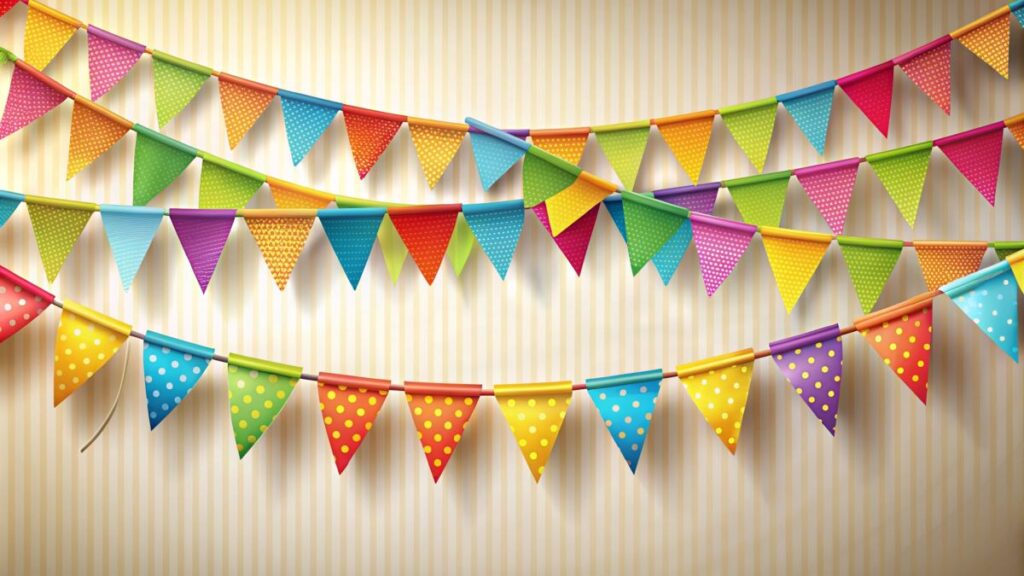
Bunting painting refers to the art of creating decorative flags or triangular designs, often strung together on a string or ribbon, and painted to suit a particular theme or occasion. Traditionally, bunting was used in celebrations to bring vibrancy and festivity to events. Today, bunting painting has evolved into a popular form of decorative painting, suitable for walls, banners, party decor, and even personalized gifts.
Key features of bunting painting:
- Hand-painted designs on paper, fabric, or canvas
- Versatile for indoor and outdoor decoration
- Can include letters, patterns, or thematic art
- Perfect for DIY projects and festive artwork
History & Use of Bunting in Decorative Art
Bunting has a rich history in decorative art. It dates back to early European festivals and celebrations, where fabric flags were strung along streets and homes to mark special occasions. Over time, bunting transitioned from simple cloth pieces to elaborately designed, painted banners used in both public festivities and private homes.
Why bunting painting became popular:
- Provides a low-cost, creative way to decorate
- Easily customizable for events and themes
- Combines traditional handcraft with modern artistic expression
From Victorian-era parties to contemporary DIY home decor, bunting painting continues to inspire artists and crafters alike. Today, it’s widely used for party decoration painting, wall art, and even personalized gifts.
Popular Bunting Painting Styles
Bunting painting can be tailored to match any aesthetic. Understanding different styles can help you decide which type suits your project.
Traditional Bunting
Traditional bunting painting emphasizes classic triangular or rectangular flags, often painted in solid colors or simple geometric patterns. These designs are perfect for vintage-themed parties, seasonal decorations, or home decor with a nostalgic touch.
Features:
- Solid color or patterned flags
- Symmetrical and repetitive design
- Often uses primary colors or pastels
Modern Decorative Bunting
Modern bunting painting embraces creativity with abstract patterns, mixed media, and unique shapes. Metallic paints, glitter accents, and hand-lettered typography make these buntings ideal for weddings, contemporary home decor, and trendy party themes.
Features:
- Creative shapes (triangles, pennants, circles)
- Metallic, neon, or gradient colors
- Personalized text or art motifs
Kids & Party Bunting Designs
Bunting painting for kids and parties is all about fun, color, and playfulness. Cartoon characters, animals, stars, and balloons are popular motifs. This style encourages children to participate in DIY bunting painting, fostering creativity while preparing for birthdays or festive events.
How to Create Bunting Painting (Step-by-Step Guide)
Creating your own bunting painting can be simple and rewarding. Follow this step-by-step guide to achieve beautiful results.
Materials Needed
- Paper, cardstock, canvas, or fabric for bunting flags
- Acrylic, watercolor, or fabric paints
- Brushes (flat, round, and fine-tipped)
- Pencil and ruler for planning
- String, ribbon, or twine for hanging
- Scissors and adhesive (optional)
Paint Types
- Acrylic Paint: Vibrant, fast-drying, and suitable for most surfaces
- Watercolor: Soft, transparent effect; ideal for delicate designs
- Fabric Paint: Perfect for bunting on cloth or textile banners
- Spray Paint: Can create gradient or modern effects
Design Planning
- Decide on the bunting shape: triangle, rectangle, or circle
- Sketch your design lightly with a pencil
- Choose a color scheme that matches your theme
- Decide if your bunting will include letters, symbols, or patterns
- Prepare a test piece to check colors and brush strokes
Painting & Assembly
- Paint each flag individually and let them dry completely
- Add details, lettering, or embellishments after the base layer dries
- Attach the flags to a string or ribbon using adhesive or hole punches
- Hang the bunting in your desired location for display
Bunting Painting Ideas for Different Occasions
Bunting painting can be adapted to any celebration or decorative need. Here are some ideas:
Birthday Parties
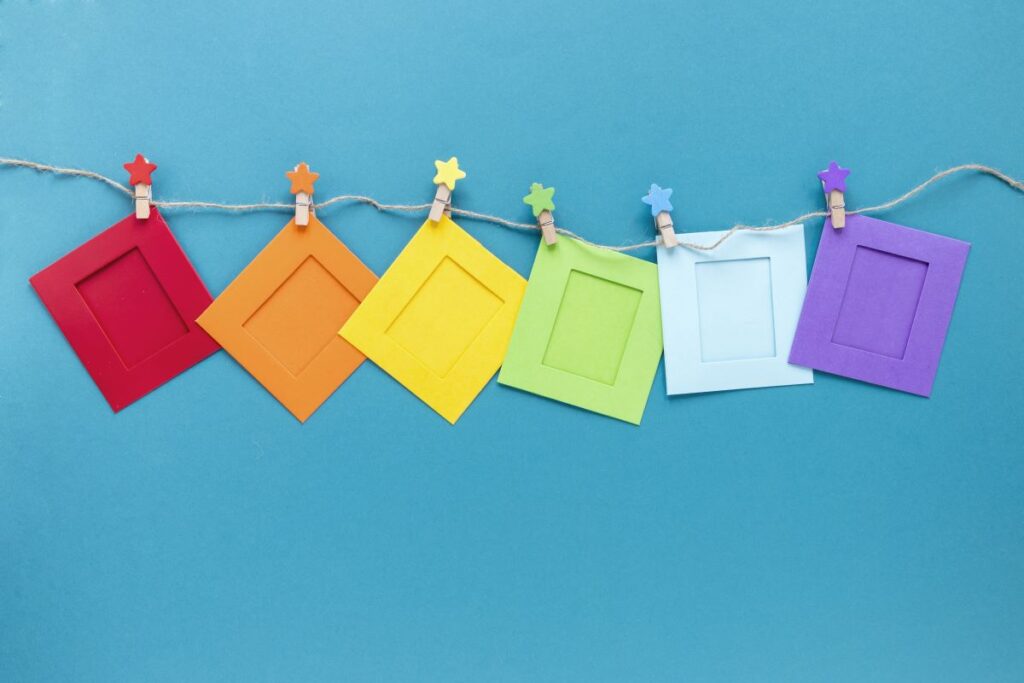
- Rainbow-colored bunting for children’s parties
- Glitter and metallic accents for teens
- Personalized name flags for a special touch
Weddings
- Elegant pastels or metallic tones
- Hand-lettered flags with bride and groom initials
- Coordinated color palette with wedding theme
Festivals & Events
- Seasonal themes such as Christmas, Diwali, or Easter
- Cultural motifs or symbols
- Party-ready festive painting ideas to brighten venues
Common Mistakes to Avoid in Decorative Painting
Even small errors can affect the look of your bunting painting. Avoid these common pitfalls:
- Skipping a sketch: Always plan your design to avoid uneven spacing
- Using the wrong paint: Ensure the paint is suitable for the material
- Overloading brushes: Too much paint can cause smudges and uneven layers
- Ignoring drying times: Paint that isn’t fully dry can stick or smear
- Neglecting color harmony: Clashing colors reduce aesthetic appeal
By being mindful of these mistakes, your bunting art ideas will turn out professional and visually appealing.
Tips to Make Your Bunting Artwork Look Professional
Here are some expert tips to elevate your bunting painting:
- Use consistent shapes and sizes for flags
- Layer colors for depth and dimension
- Add metallic or glitter accents sparingly
- Use stencils or stamps for repetitive patterns
- Experiment with textures like watercolor washes or sponge painting
- Maintain clean edges with masking tape or precision cutting
- Photograph your finished bunting for a portfolio or social media showcase
Following these tips will ensure your DIY bunting painting looks professional, festive, and full of charm.
Related Articles from PaintersDiary
These articles offer inspiration and step-by-step instructions for those interested in expanding their decorative painting skills.
FAQs About Bunting Painting
Q: What paint is best for bunting painting?
A: Acrylic paint works well for paper and canvas, while fabric paint is ideal for cloth bunting. Watercolors are perfect for delicate, soft designs.
Q: Can beginners do bunting painting?
A: Absolutely! Bunting painting is beginner-friendly. Start with simple shapes and patterns, and gradually experiment with more complex designs.
Q: Is bunting painting suitable for kids?
A: Yes. Kids can enjoy DIY bunting painting with supervision, using washable paints and pre-cut flags for safety.
Q: How long does bunting paint take to dry?
A: Acrylic paint usually dries within 20–30 minutes, while fabric paint may take a few hours. Always check the manufacturer’s instructions.
Q: Can I personalize my bunting with letters or names?
A: Definitely. Hand lettering is a popular way to customize bunting for birthdays, weddings, or special events.
Q: What materials work best for reusable bunting?
A: Fabric and canvas are ideal for reusable buntings, as they can be stored and displayed multiple times without damage.
Q: Can bunting painting be done outdoors?
A: Yes, but choose weather-resistant paints and materials like outdoor fabric or waterproof coatings.
Conclusion
Bunting painting is a versatile and charming form of decorative painting that enhances festivals, parties, and home decor. From DIY bunting painting projects to hand-painted designs for weddings and celebrations, this creative art form allows anyone to add color, personality, and festive cheer. By exploring various styles, avoiding common mistakes, and applying professional tips, you can create stunning bunting painting artwork that stands out. Whether for a fun kids’ party, an elegant wedding, or a cultural festival, bunting painting continues to inspire creativity and artistic expression.