
Landscape paintings are one of the most enduring and beloved forms of visual art. They capture the beauty, mood, and essence of natural scenery, from mountains and forests to rivers and skies. Throughout art history, landscape paintings have allowed artists to explore light, perspective, and emotion while connecting viewers to the natural world.
In this guide, you will learn what landscape paintings are, the importance of nature art within landscapes, popular landscape artwork styles, essential techniques, and the tools needed to create your own landscape art. Whether you are a beginner, hobbyist, or aspiring professional, this article provides a comprehensive roadmap for understanding and creating beautiful landscape paintings.
What Are Landscape Paintings?
Landscape paintings are works of art that depict natural scenery. They focus on elements like landforms, water, sky, vegetation, and atmospheric conditions. Unlike portraits or still life, landscapes prioritize the environment itself as the subject.
These paintings can range from realistic representations of a location to abstract interpretations of nature. They often reflect the artist’s personal view of the natural world, capturing mood, light, and seasonal changes.
For beginners, think of a landscape painting as a visual story of the environment around us, where each element contributes to the overall harmony and aesthetic of the piece.
Nature Art in Landscape Paintings
Nature art and landscape paintings are closely intertwined. Nature art emphasizes the beauty, complexity, and patterns of the natural world, which is central to any landscape painting. Artists often study flora, fauna, and environmental forms to bring realism and depth to their work.
Common natural elements used in landscape paintings include:
- Mountains and hills – for depth and perspective
- Rivers, lakes, and waterfalls – for movement and reflection
- Trees and plants – for texture and foreground interest
- Clouds and sky – for mood and lighting
- Animals or wildlife – to add life and storytelling
Incorporating nature art into landscape paintings helps artists create works that resonate emotionally and visually, whether aiming for realism or stylized interpretations.
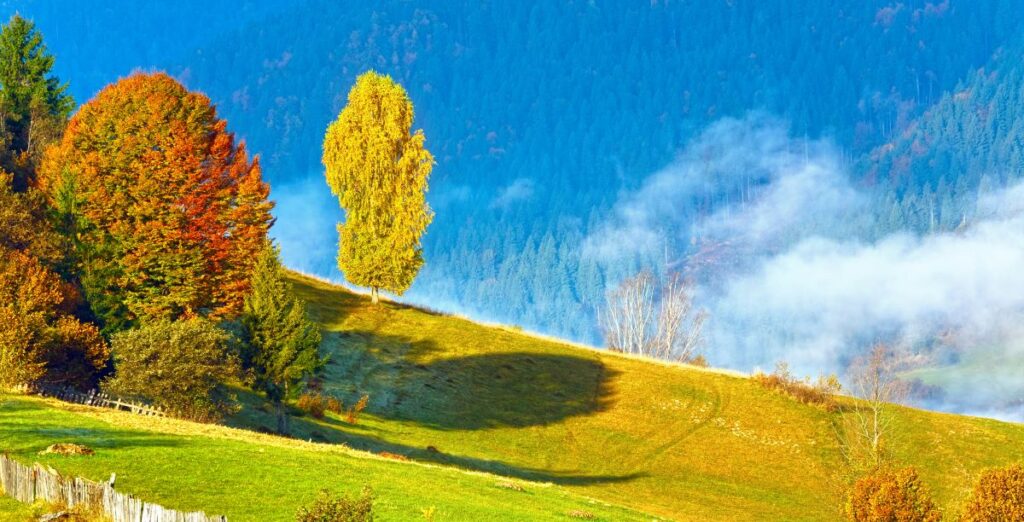
Landscape Artwork Styles Explained
Landscape paintings have evolved over centuries, and several styles dominate the art world today. Understanding these styles can help artists decide which approach fits their vision.
1. Realism
- Captures nature exactly as it appears.
- Focus on accurate lighting, shadows, and textures.
- Often used in traditional and classical landscape paintings.
2. Impressionism
- Emphasizes light and color over precise detail.
- Short, visible brushstrokes create movement.
- Captures a fleeting moment in nature.
3. Romanticism
- Dramatic landscapes with emotional or symbolic meaning.
- Features intense skies, wild forests, and heroic scenery.
4. Abstract Landscape Art
- Shapes, colors, and textures are exaggerated or simplified.
- Focuses on mood and artistic interpretation rather than realism.
5. Minimalist Landscapes
- Simple compositions with minimal detail.
- Often emphasizes a single element like a tree, hill, or horizon.
Choosing a style allows you to communicate your perspective and emotion through landscape art while experimenting with techniques that fit your artistic voice.
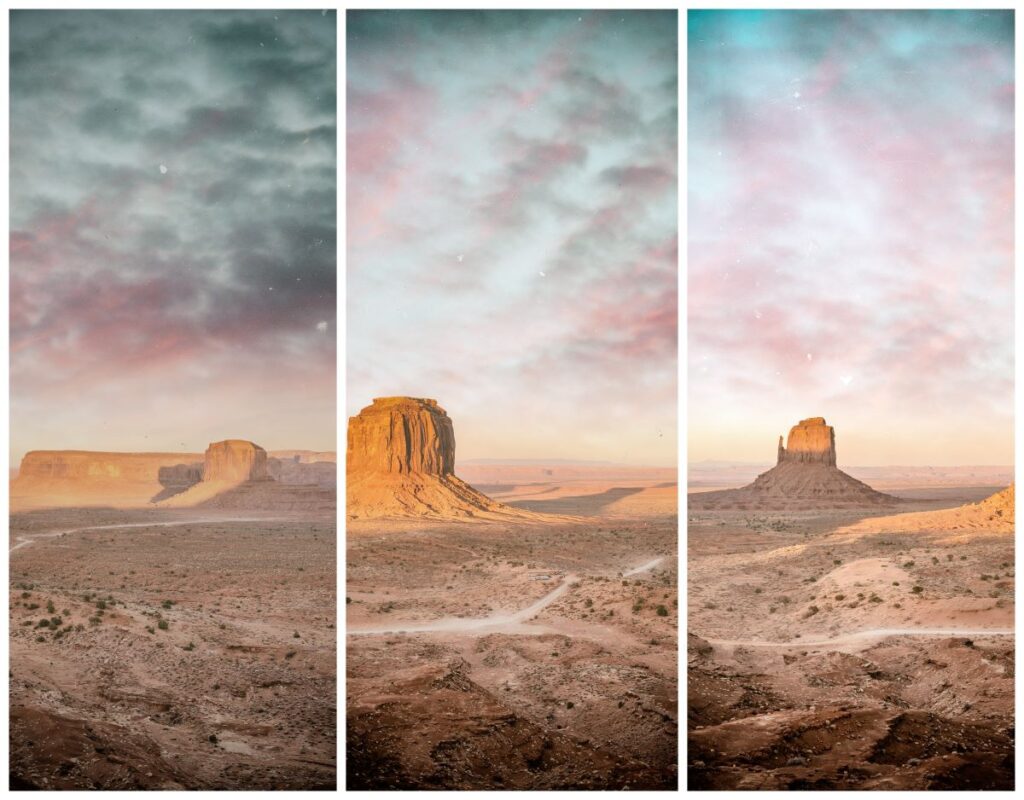
Landscape Art Paintings Techniques
Creating landscape paintings requires understanding basic techniques that bring natural scenery to life. Here’s a step-by-step guide for beginners:
- Sketch the composition – Start with light pencil lines to define horizon, key shapes, and focal points.
- Block in colors – Apply broad strokes of the main colors for sky, ground, and large objects.
- Add depth and perspective – Use overlapping elements, size variation, and fading colors for distance.
- Work on details – Introduce textures for trees, water ripples, rocks, and foliage.
- Refine lighting and shadows – Enhance realism and mood using darker and lighter tones.
- Final touches – Add highlights, reflections, and small details to complete the painting.
These steps can be adapted for acrylics, oils, watercolors, or digital mediums. Beginners should experiment with each stage to develop their personal style while building confidence in landscape art paintings.
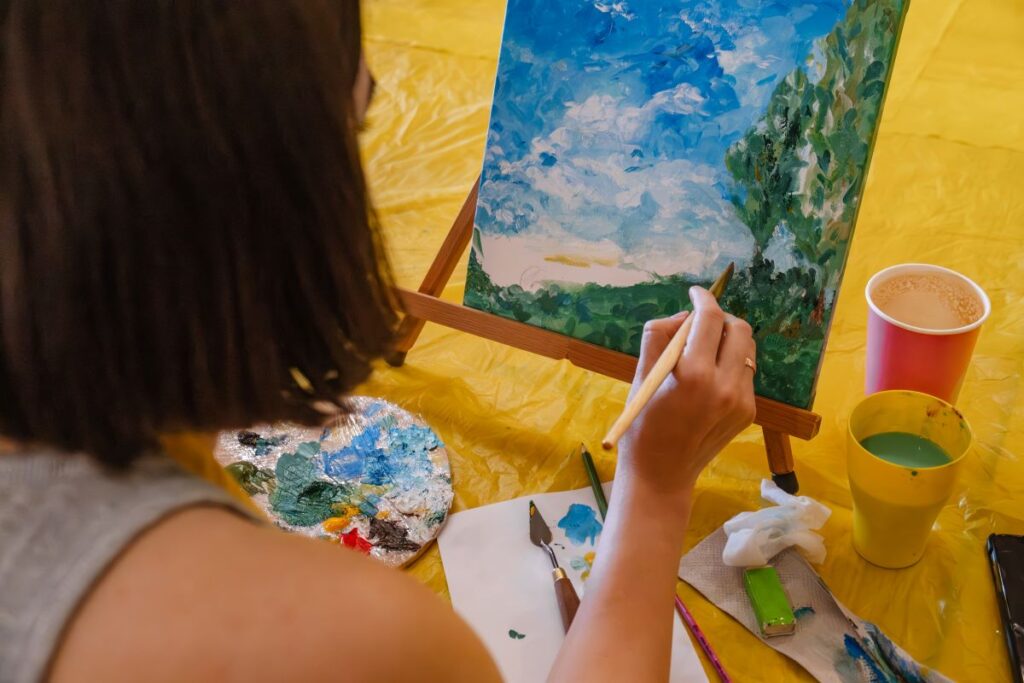
Tools & Materials for Landscape Paintings
Selecting the right tools and materials is crucial for effective landscape paintings. Beginners should focus on quality and usability without overwhelming complexity.
Paints:
- Acrylics – fast-drying, versatile, beginner-friendly
- Oils – rich texture, slower drying, ideal for realism
- Watercolors – transparent layers, suitable for soft effects
Brushes:
- Flat brushes – for skies and broad strokes
- Round brushes – for details and foliage
- Fan brushes – for texture and blending
Surfaces:
- Canvas – standard choice for acrylics and oils
- Watercolor paper – textured and absorbent for watercolors
- Panels or boards – for durability and smooth surfaces
Additional tools:
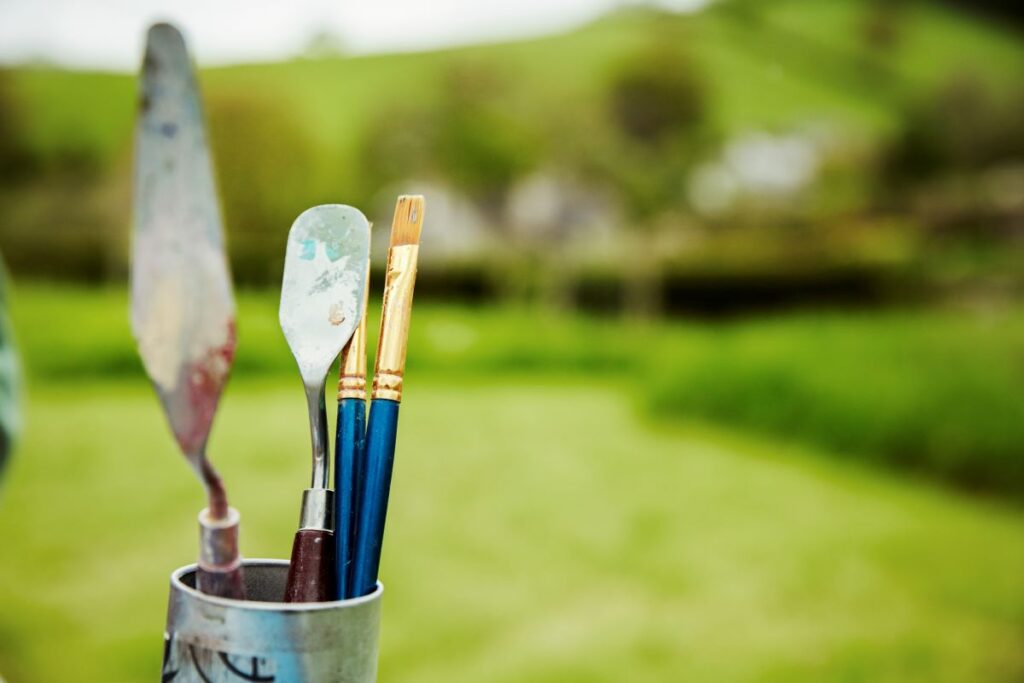
- Palette knives for texture
- Easel for comfortable painting
- Mixing palette for color blending
Common Mistakes in Landscape Paintings
Even experienced artists encounter mistakes when painting landscapes. Beginners should watch out for:
- Ignoring perspective – Avoid flat-looking scenes by using foreground, midground, and background layers.
- Overworking details – Excessive details can make the painting busy and distracting.
- Unrealistic lighting – Study light sources carefully; shadows and highlights must match.
- Color imbalance – Overuse of one color can make landscapes unnatural; balance warm and cool tones.
- Neglecting composition – Ensure the horizon, focal points, and natural elements create harmony.
Tip: Step back frequently while painting to evaluate the overall composition and make adjustments.
Frequently Asked Questions
1. What are landscape paintings?
Landscape paintings are artworks that depict natural scenery, including mountains, rivers, forests, and skies. They focus on the environment as the main subject rather than people or objects.
2. How does nature art influence landscape paintings?
Nature art informs landscape paintings by emphasizing realistic or artistic representations of natural elements. Trees, water, skies, and wildlife are studied to bring life and authenticity to the artwork.
3. What are popular landscape artwork styles?
Common styles include Realism, Impressionism, Romanticism, Abstract, and Minimalism. Each style interprets landscapes differently, from detailed accuracy to expressive and simplified forms.
4. Which painting techniques are best for beginners?
Start with sketching, color blocking, layering for depth, adding textures, and refining lighting. Acrylics and watercolors are beginner-friendly mediums for practicing these techniques.
5. What tools do I need for landscape art paintings?
Essential tools include paints (acrylics, oils, watercolors), brushes (flat, round, fan), surfaces (canvas or paper), palettes, and optionally palette knives and easels.
6. How can I avoid mistakes in landscape paintings?
Focus on perspective, balance colors, maintain proper lighting, avoid overworking details, and ensure strong composition. Regularly step back to evaluate the overall piece.
7. Can I combine nature art with abstract landscapes?
Yes, many artists blend natural elements with abstract styles, emphasizing color, shape, or mood instead of realistic representation. This approach allows creative freedom while still drawing inspiration from nature.
Related Articles from PaintersDiary
- How to Create Mood and Emotion Using Color in Painting
- Types of Paint Explained: Gouache Painting, Limewash & Tile Paint (Beginner Guide)
- How to Find Your Own Art Style as a Beginner Painter
- Best Painting Supplies for Beginners on a Budget