

Still life painting is one of the most expressive and educational forms of visual art. From simple fruit bowls to symbolic arrangements filled with meaning, this genre allows artists to study form, color, light, and composition without movement or time pressure. Throughout art history, still life painting has played a crucial role in helping artists master technical skills while also communicating deeper stories through everyday objects.
In this guide, you will learn what still life painting truly means, how it developed through vintage art traditions, and how modern artists incorporate themes such as sea artwork into still life compositions. You will also explore different types of still life painting, essential tools and techniques, common mistakes beginners make, and practical tips to improve your artwork with confidence.
What Is Still Life Painting?
Still life painting is a genre of art that focuses on non-living objects arranged intentionally by the artist.
These objects may include fruits, flowers, books, vessels, fabrics, shells, or personal items.
The purpose is to study shape, texture, lighting, color harmony, and composition in a controlled environment.
Unlike portraits or landscapes, still life painting allows artists to fully control every visual element within the scene.
Types of Still Life Painting
Still life painting appears in many forms, depending on subject matter, artistic intention, and cultural influence.
- Traditional Still Life
Features everyday objects such as fruits, pottery, glassware, or flowers. These compositions emphasize realism, balance, and lighting accuracy. - Symbolic Still Life
Often includes objects that represent ideas such as time, mortality, knowledge, or wealth. Common in vintage art traditions. - Contemporary Still Life
Uses modern objects like electronics, packaging, or mixed materials to reflect present-day life and culture. - Floral Still Life
Focuses entirely on flowers and plants, emphasizing color relationships, organic shapes, and natural textures. - Minimalist Still Life
Uses very few objects with strong negative space to create calm, modern compositions.

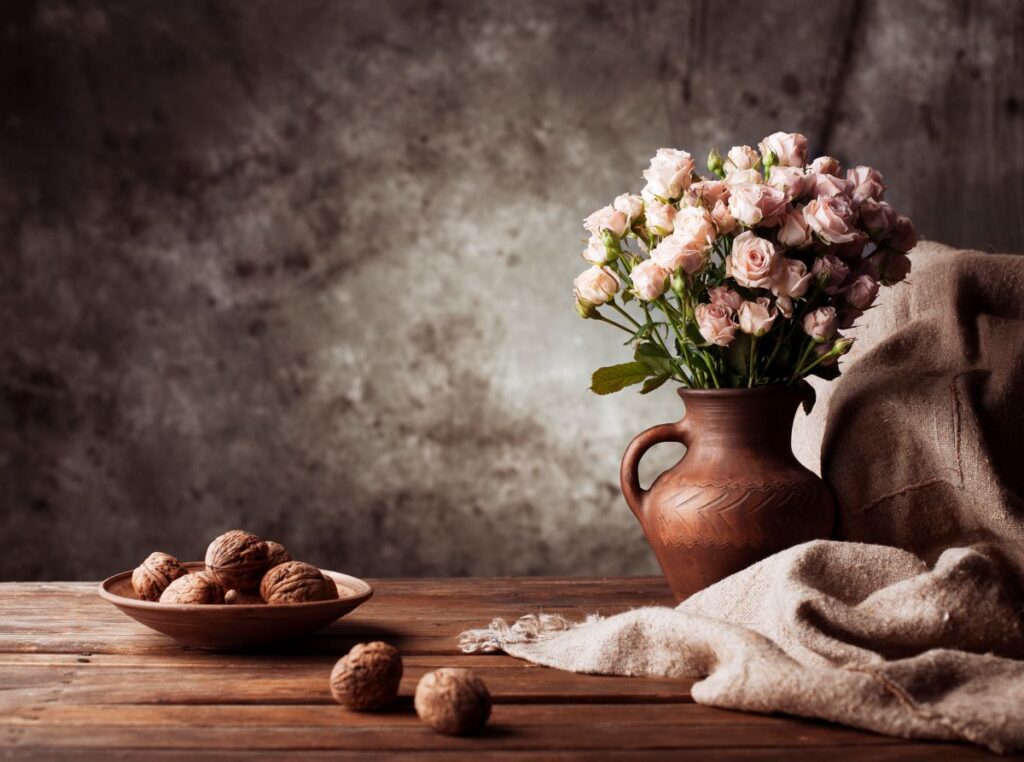
Still Life Painting in Vintage Art
Still life painting gained major artistic importance during the Renaissance and reached its peak during the Dutch Golden Age. In vintage art, still life compositions were not merely decorative; they often carried symbolic meaning and moral messages.
Artists such as Jan van Huysum, Pieter Claesz, and Willem Kalf created highly detailed paintings featuring fruits, silverware, glass, and flowers. These works demonstrated technical mastery while subtly representing themes of wealth, impermanence, and human desire.
In many vintage art traditions, objects like wilting flowers, broken shells, clocks, and extinguished candles symbolized the passage of time. These paintings, known as vanitas still lifes, reminded viewers of life’s temporary nature.
Still life painting also allowed artists to experiment with realism, reflection, shadow, and surface texture, making it a foundation for classical training that continues to influence artists today.

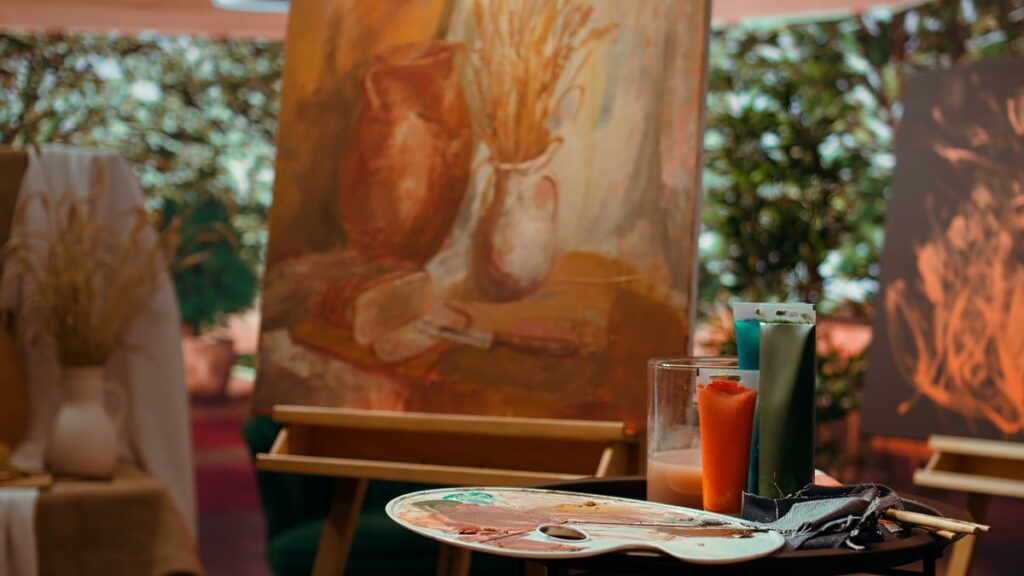
Sea Artwork in Still Life Paintings
Sea artwork is often associated with landscapes and marine scenes, but it also plays a unique role in still life painting. Artists frequently incorporate ocean-related elements to evoke travel, exploration, and natural beauty.
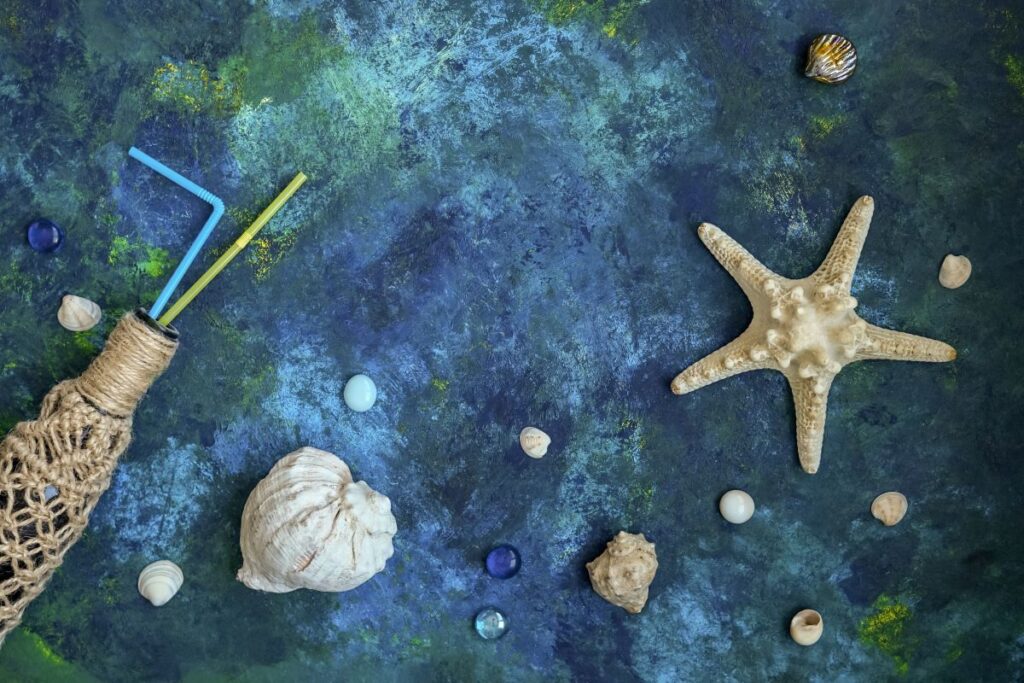
Common sea artwork elements found in still life compositions include shells, coral fragments, ropes, glass bottles, fishing tools, nautical maps, and driftwood. These objects bring texture and storytelling into an otherwise static arrangement.
For example, a still life painting featuring seashells on a wooden table can communicate themes of memory, distance, or coastal life. In classical European art, shells were sometimes symbols of luxury due to their rarity.
Modern artists use sea artwork within still life painting to blend natural materials with contemporary environments. The contrast between rough marine textures and smooth studio lighting creates visually compelling compositions that feel both calm and meaningful.

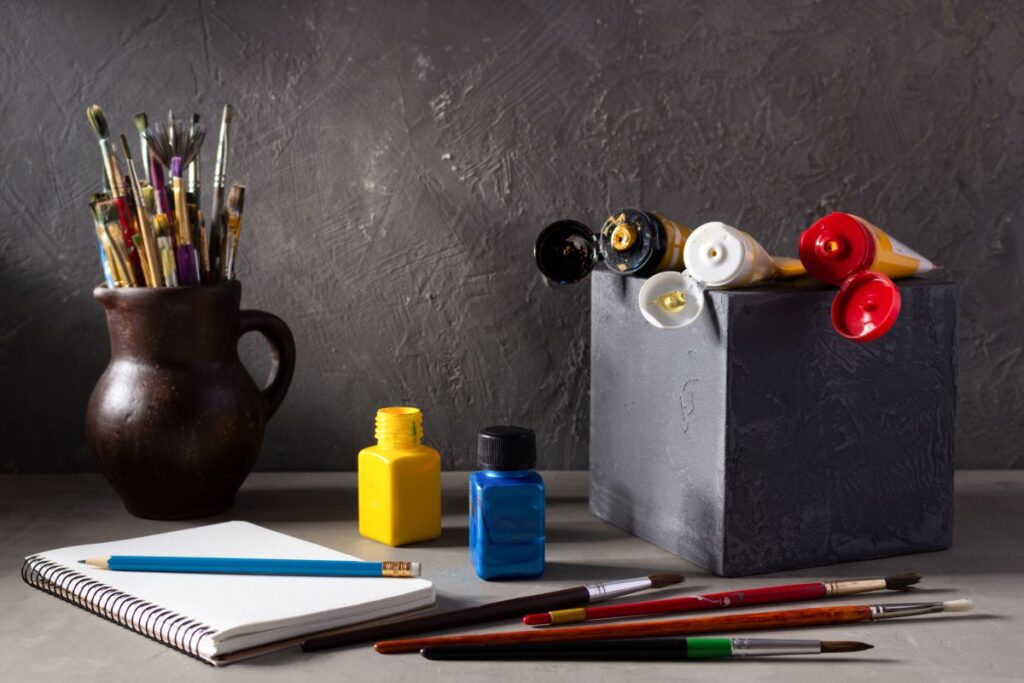
Tools & Techniques for Still Life Painting
Creating a successful still life painting begins with proper preparation and thoughtful technique.
Step-by-step process:
- Choose simple objects
Start with two or three items with different shapes and textures. - Arrange your composition
Place objects at varying heights to create visual interest. - Set a single light source
One directional light helps define form and shadow clearly. - Sketch the basic shapes
Focus on proportion before adding details. - Block in major colors
Apply large color areas first instead of fine details. - Build layers gradually
Refine tones, highlights, and shadows slowly. - Add textures last
Details such as reflections, fabric folds, or surface marks come at the final stage.
Beginner-friendly tips:
- Use neutral backgrounds to avoid distractions
- Paint what you see, not what you think you see
- Step back frequently to check proportions
- Limit your color palette to improve harmony
Common Mistakes & Tips
- Using too many objects
Keep compositions simple to avoid visual clutter. - Ignoring lighting direction
Inconsistent shadows reduce realism. - Over-detailing too early
Focus on structure before texture. - Flat colors without tonal variation
Always include light, midtone, and shadow values. - Poor object spacing
Objects placed too evenly can look unnatural.
Helpful tips:
- Squint your eyes to see overall values
- Practice with monochrome studies
- Photograph your setup for reference
- Study vintage art still life masters for composition ideas
Frequently Asked Questions
What is the main purpose of still life painting?
The main purpose of still life painting is to help artists study composition, light, color, and form in a controlled setting. It allows complete control over subject arrangement, making it ideal for skill development and artistic experimentation.
Is still life painting good for beginners?
Yes, still life painting is one of the best starting points for beginners. It teaches observation skills, shading, and proportion without the pressure of moving subjects or complex anatomy.
What objects are best for still life painting?
Simple objects like fruits, cups, bottles, books, and fabrics work best. These items offer clear shapes and textures, helping artists understand structure and lighting more easily.
How does vintage art influence modern still life painting?
Vintage art influences modern still life painting through composition balance, symbolic storytelling, and realistic lighting techniques. Many contemporary artists still follow classical foundations developed centuries ago.
Can sea artwork be part of still life painting?
Yes, sea artwork fits naturally into still life painting through objects such as shells, ropes, nautical tools, and marine textures. These elements add narrative depth and visual contrast.
What medium is best for still life painting?
Oil, acrylic, watercolor, and even digital mediums work well. Oil paints are especially popular due to their blending capabilities and depth of color.
How long does it take to master still life painting?
Mastery depends on practice consistency. Beginners can see improvement within weeks, while developing advanced control and personal style may take months or years of regular painting.
Related Articles from PaintersDiary
- Sketches Explained: From Simple Drawing to Paintings & Portraits
- Face Painting Ideas: Butterfly & Cat Face Paint for Kids & Events
- Nature Paintings Explained: Painted Lady Butterfly, Turtles & Landscapes in Art
- Greatest Painters of All Time & Their Most Famous Paintings