


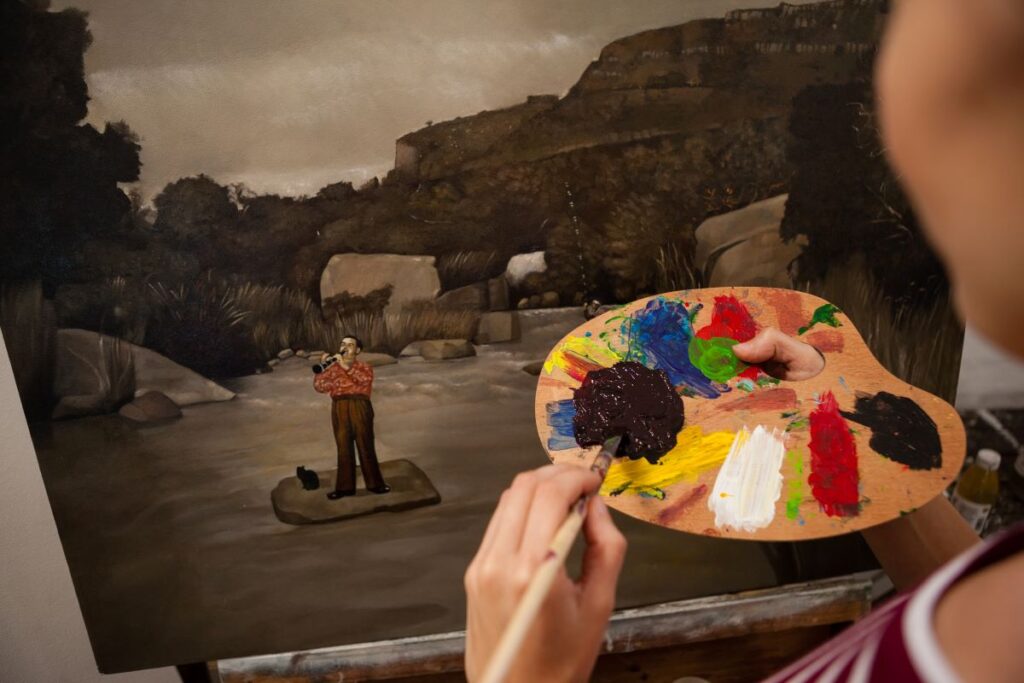
One of the most challenging and rewarding skills in painting is the ability to create realistic textures. Whether you are painting portraits, landscapes, or still life, mastering textures such as skin, hair, fabric, and wood can dramatically improve the realism and emotional impact of your artwork. Learning how to Paint Realistic Textures requires observation, patience, and an understanding of how light interacts with different surfaces.
In this comprehensive guide, you will learn professional techniques used by artists to paint lifelike textures step by step. From subtle skin tones to complex wood grain patterns, this article will help you build confidence and control in your painting practice.
Understanding Texture in Painting
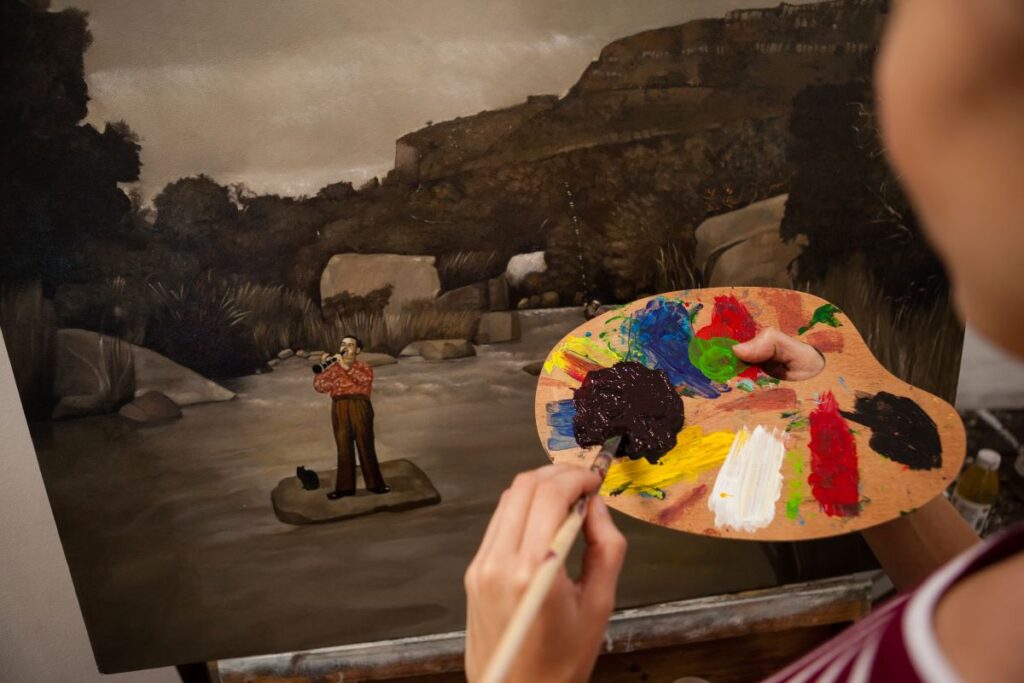
Before learning how to Paint Realistic Textures, it is important to understand what texture really means in art. Texture refers to how a surface appears or feels visually. In realistic painting, texture is an illusion created through color, value, brushwork, and layering.
Types of Texture in Painting
| Texture Type | Description |
|---|---|
| Visual texture | The illusion of texture created on a flat surface |
| Implied texture | Suggested texture using light and shadow |
| Actual texture | Physical texture created with thick paint |
Most realistic paintings rely heavily on visual and implied texture rather than physical texture.

Tools and Materials for Painting Realistic Textures
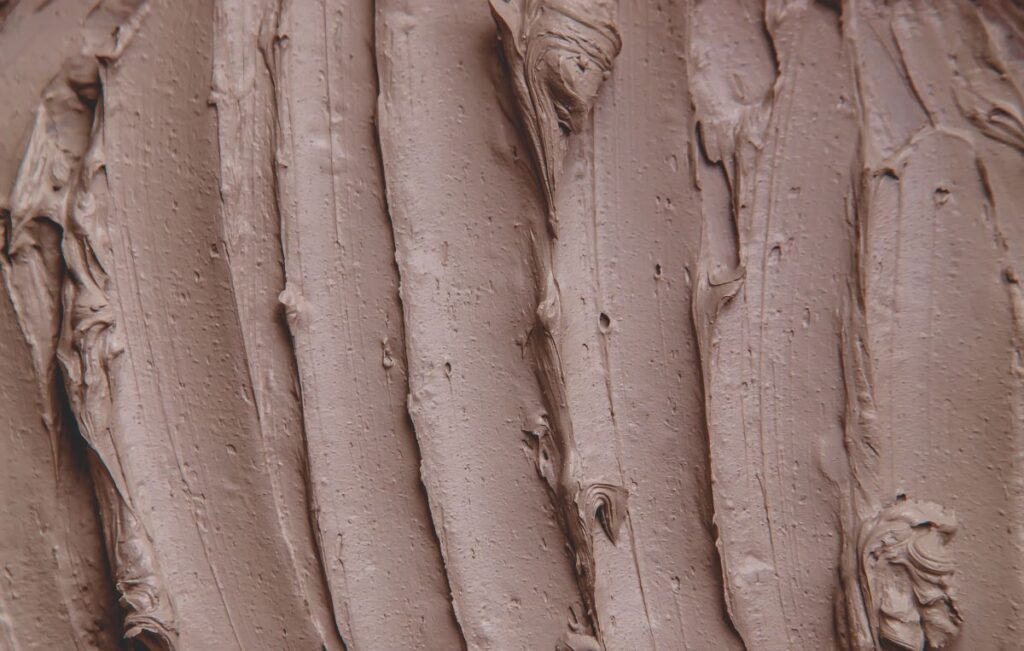
The right tools make a significant difference when learning to Paint Realistic Textures.
Essential Painting Tools
- Variety of brushes including round, flat, and fan brushes
- High-quality paints with strong pigmentation
- Palette knives for texture variation
- Reference photos with high detail
- Canvas or textured painting surface
Recommended Brushes for Different Textures
| Texture | Brush Type |
|---|---|
| Skin | Soft round or filbert |
| Hair | Fine liner or fan brush |
| Fabric | Flat and angular brushes |
| Wood | Stiff bristle brush |
How to Paint Realistic Skin Texture
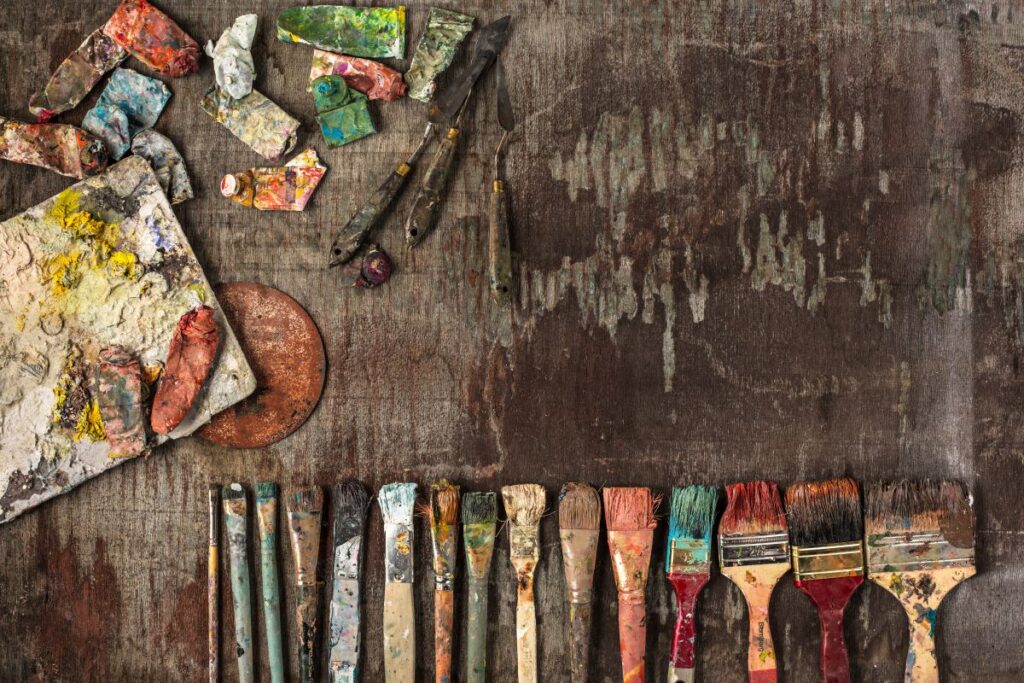
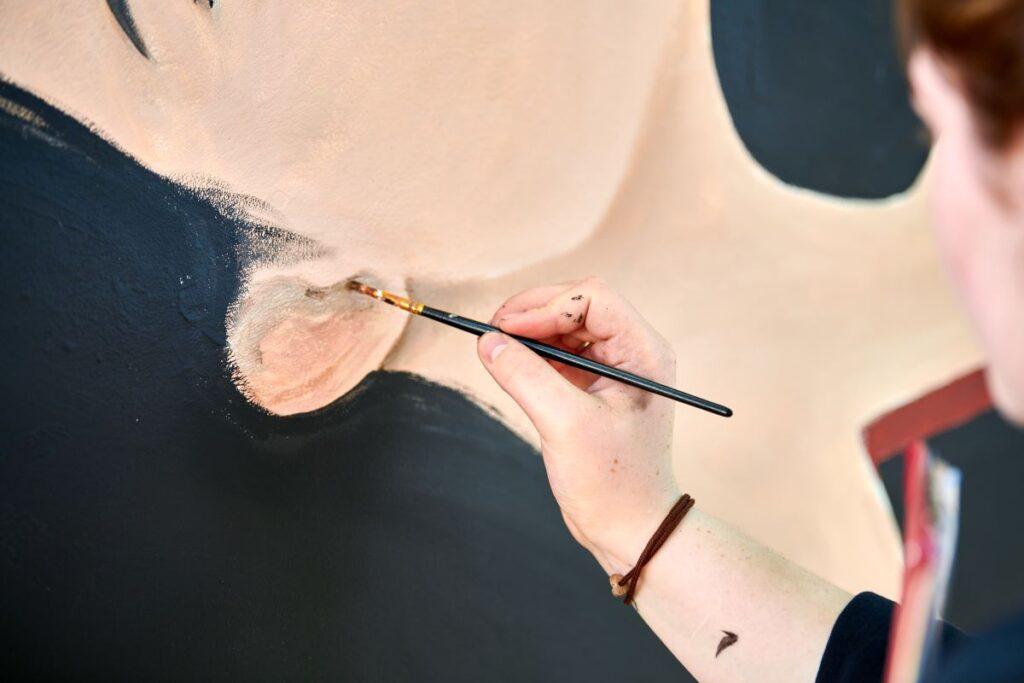
Skin is one of the most complex textures to paint because it is smooth, translucent, and full of subtle color variations. To successfully Paint Realistic Textures like skin, you must avoid flat colors.
Key Characteristics of Skin Texture
- Soft transitions between light and shadow
- Subtle color changes beneath the surface
- Visible pores and imperfections
- Reflected light in shadow areas
- Natural highlights
Step-by-Step Skin Painting Process
- Start with a mid-tone base color
- Block in shadows using cooler tones
- Add highlights with warmer, lighter tones
- Blend softly to avoid harsh edges
- Add small imperfections for realism
Common Skin Tone Color Mixes
| Skin Area | Color Mix |
|---|---|
| Highlights | Titanium white with yellow ochre |
| Mid-tones | Burnt sienna and yellow ochre |
| Shadows | Ultramarine blue and burnt umber |
How to Paint Realistic Hair Texture
Hair can appear overwhelming, but it becomes manageable when broken into shapes and layers. When you Paint Realistic Textures like hair, think in terms of light and mass rather than individual strands.
Hair Painting Principles
- Paint large shapes first
- Identify the main light source
- Use darker tones for depth
- Add highlights last
- Avoid painting every hair strand
Hair Texture Painting Table
| Hair Type | Painting Approach |
|---|---|
| Straight hair | Smooth directional strokes |
| Curly hair | Circular layered strokes |
| Thick hair | Strong contrast |
| Fine hair | Subtle highlights |
How to Paint Realistic Fabric Texture
Fabric is defined by folds, creases, and tension points. To successfully Paint Realistic Textures like fabric, focus on how cloth behaves rather than the pattern printed on it.
Understanding Fabric Behavior
- Fabric folds around gravity and movement
- Light catches raised folds and leaves valleys in shadow
- Different fabrics reflect light differently
- Fabric thickness affects softness
- Repeated folds create rhythm
Fabric Types and Their Visual Qualities
| Fabric Type | Visual Characteristics |
|---|---|
| Silk | Smooth, shiny, high contrast |
| Cotton | Soft, matte, subtle folds |
| Denim | Thick, structured folds |
| Wool | Soft texture with depth |
| Leather | Firm with sharp highlights |
Step-by-Step Fabric Painting Process
- Block in the base color
- Identify fold directions
- Paint shadows with cooler tones
- Add highlights along raised folds
- Soften transitions where needed
Avoid outlining folds. Let value changes define form.
How to Paint Realistic Wood Texture
Wood texture is all about pattern and age. When learning to Paint Realistic Textures like wood, focus on irregular grain rather than perfect lines.
Observing Wood Grain
- Grain flows in natural patterns
- Knots create visual interest
- Older wood shows cracks and color variation
- Light emphasizes raised grain
- Color varies within the same plank
Wood Texture Painting Steps
- Start with a mid-tone brown base
- Add darker grain lines loosely
- Blend softly in grain direction
- Add highlights on raised areas
- Include imperfections like knots and scratches
Wood Color Mixing Table
| Wood Type | Color Mix |
|---|---|
| Light wood | Yellow ochre and white |
| Oak | Burnt sienna and raw umber |
| Dark wood | Burnt umber and ultramarine |
| Weathered wood | Grey with brown undertones |
Advanced Layering Techniques for Realistic Textures
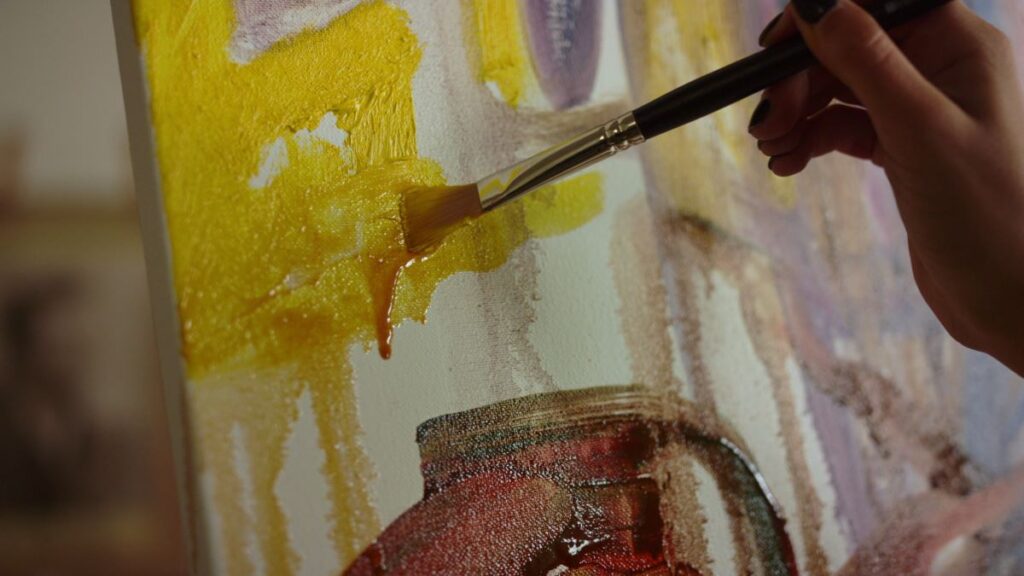
Layering is essential when you want to Paint Realistic Textures that feel deep and natural.
Effective Layering Methods
- Thin transparent layers build depth
- Dry brushing creates surface texture
- Glazing adjusts color subtly
- Scumbling adds softness
- Impasto adds physical highlights
Layering Techniques Table
| Technique | Best Use |
|---|---|
| Glazing | Skin and fabric |
| Dry brushing | Hair and wood |
| Scumbling | Soft fabrics |
| Impasto | Rough wood highlights |

Common Mistakes When Painting Realistic Textures
Even skilled artists struggle when learning to Paint Realistic Textures. Avoid these common mistakes:
- Using flat colors
- Over-detailing too early
- Ignoring light direction
- Painting from imagination only
- Using the same brush for everything
Observing real-life references is essential.
Practicing Texture Painting Effectively
Consistent practice is the fastest way to improve your ability to Paint Realistic Textures.
Practice Exercises
- Paint texture studies instead of full paintings
- Focus on one material per session
- Use limited color palettes
- Paint from high-resolution references
- Compare your work with real materials
Combining Multiple Textures in One Painting
When painting a figure in a chair wearing clothing with visible hair and skin, or a still life containing wood and fabric, you must think about how each texture interacts with light and the environment.
Key Principles
- Hierarchy of focus: Decide which texture draws attention first.
- Consistent lighting: Ensure shadows and highlights are consistent across textures.
- Color harmony: Use similar undertones to unify different materials.
- Brush technique differentiation: Vary brush strokes for each texture.
- Edge management: Sharper edges draw attention; softer edges recede.
Texture Interaction Table
| Texture Pair | Technique Tip |
|---|---|
| Skin & Hair | Blend softly at the hairline; add stray hair strands for realism |
| Fabric & Wood | Add reflected light from fabric onto wood; define shadow under folds |
| Skin & Fabric | Contrast soft skin edges with fabric folds; maintain color temperature consistency |
| Hair & Fabric | Overlay translucent hair strands over fabric; use directional brush strokes |
Tips for Painting Realistic Textures in 2026
Advancements in digital painting tools and high-quality references make painting realistic textures more achievable than ever.
- Use high-resolution references: Observe pores, wood grain, and fabric folds closely.
- Study light behavior: Note how reflections, diffused light, and shadows affect each material.
- Layer patiently: Build textures gradually to avoid a flat look.
- Experiment with brushes: Use different textures for dry brush, glazing, and soft blending.
- Step back often: Viewing from a distance helps spot inconsistencies.
Conclusion: Mastering the Art of Realistic Textures
Learning to Paint Realistic Textures transforms your artwork from simple representations to fully immersive experiences. Textures like skin, hair, fabric, and wood are not just surface details—they convey realism, depth, and life. By observing how materials respond to light, practicing layering techniques, and studying real-life references, you can master each texture individually and then combine them seamlessly in complex compositions.
The ability to render realistic textures is a skill that separates amateur and professional painters. It requires patience, practice, and attention to detail, but the results are rewarding. Each texture tells its own story: the softness of skin conveys warmth and vitality, the shine of hair catches movement, the folds of fabric suggest motion and weight, and the grain of wood gives structure and grounding to your scene.
As you progress, remember that no single technique works for every material. Experimentation and careful observation are your best tools. By continuously practicing and layering your knowledge, you can elevate your paintings and bring them closer to reality. Whether you are working with traditional media or digital tools, mastering textures will make your artwork more convincing, emotional, and visually engaging.
What is Paint Realistic Textures
Paint Realistic Textures refers to the art of creating lifelike surfaces such as skin, hair, fabric, and wood in painting, making them appear three-dimensional and tangible.
How do I paint realistic skin
Use a mid-tone base, gradually add shadows and highlights, and observe subtle color variations. Layer thin washes and blend softly for smooth skin textures.
How can I paint realistic hair
Start with larger shapes, establish light direction, layer darker tones for depth, and finish with fine highlights. Avoid painting every strand individually.
How do I paint fabric textures
Observe folds and creases, block in base color, add shadows along folds, and highlight raised areas. Adjust brushwork based on the type of fabric.
How do I paint realistic wood
Focus on grain patterns and irregularities. Start with a mid-tone base, add darker grain lines, and highlight raised areas. Include knots and small imperfections for realism.
Can I combine textures in one painting
Yes, combine textures by maintaining consistent lighting, color harmony, and differentiating brush techniques. Use sharper edges for focal points and softer edges for secondary textures.
How can beginners improve painting textures
Beginners can improve by studying different art styles, experimenting with techniques, and practicing texture studies. For more guidance, check this beginner-friendly guide on exploring art styles:
https://paintersdiary.com/art-style-as-a-beginner/
Where can I learn more about realistic textures
For more advanced tutorials and references on painting realistic textures in both digital and traditional mediums, you can explore this external resource:
https://www.artistsnetwork.com/art-techniques/realistic-texture-techniques/