
Painting is one of the most therapeutic and rewarding hobbies you can start without a massive investment. Many beginners often feel overwhelmed by the wide array of painting tools available in the market. From brushes to canvases and paints, knowing which tools give the best results without breaking the bank is essential. In this guide, we will explore Best Painting Supplies for beginners on a budget, helping you start your painting journey confidently.

Why Choosing the Right Supplies Matters
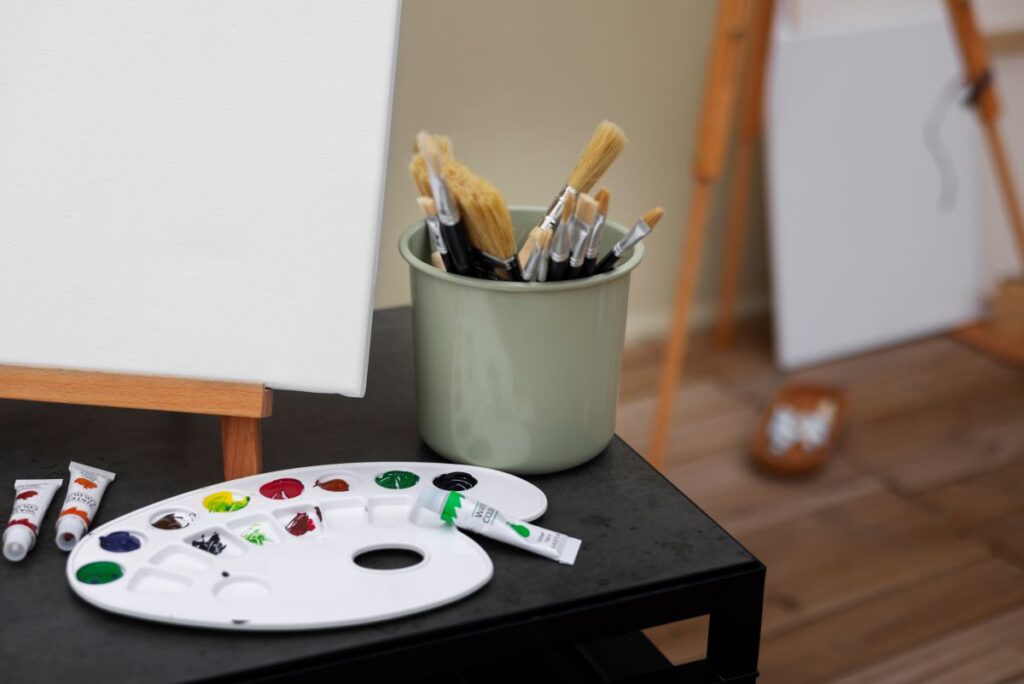
When you start painting, your choice of materials affects not only your results but also your motivation to continue. High-quality painting supplies may cost more, but for beginners, it is crucial to balance quality and affordability. By selecting the Best Painting Supplies, you ensure your tools last longer, deliver better results, and make learning more enjoyable.
Key Factors to Consider
Before we dive into specific products, here are the factors you should keep in mind when choosing painting supplies:
- Material Quality – Cheap brushes and paints can affect the smoothness of your work. Look for items that offer durability without a premium price.
- Ease of Use – As a beginner, you want supplies that are beginner-friendly and do not require advanced techniques.
- Versatility – Choose items that work for multiple mediums like watercolor, acrylic, or oil.
- Budget – Stick to a budget without compromising on essential quality.
- Availability – Some products might be perfect but hard to find locally. Ensure your choices are easily accessible.

Essential Painting Supplies for Beginners
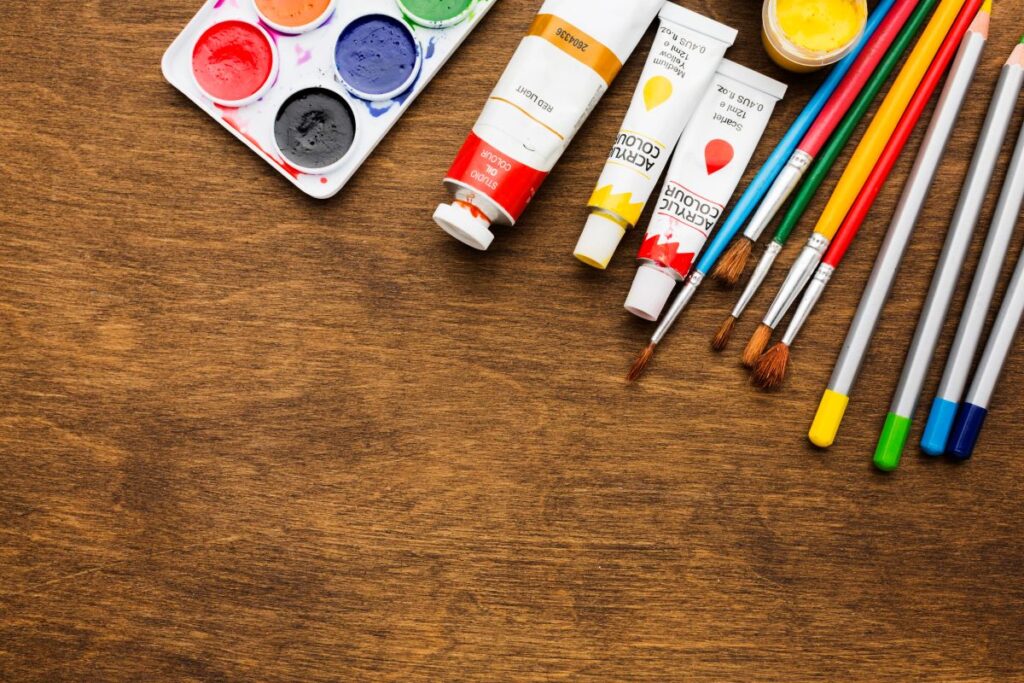
Let’s break down the Best Painting Supplies into categories that every beginner painter needs.
1. Paints
Paints are the core of your artistic expression. Beginners usually start with one or two mediums. Here are the most beginner-friendly options:
| Type of Paint | Best Use | Budget-Friendly Brand Suggestions | Pros | Cons |
|---|---|---|---|---|
| Acrylic Paint | General purpose, fast-drying | Liquitex Basics, Winsor & Newton Galeria | Affordable, vibrant colors, quick drying | Can dry too fast on the palette |
| Watercolor Paint | Landscapes, light textures | Prang, Sakura Koi | Easy to blend, portable, non-toxic | Requires special paper, may be transparent |
| Oil Paint | Portraits, realism | Winsor & Newton Winton, Gamblin 1980 | Smooth blending, long working time | Slow drying, requires solvents |
| Gouache Paint | Illustrations, opaque layers | Holbein, Winsor & Newton Designer | Opaque and bright, good for flat colors | Can be reactivated with water (less durable) |
Tip for Beginners:
Start with a basic set of 12–24 colors. This reduces clutter, is easier to manage, and allows you to experiment with color mixing.
2. Brushes
Choosing the right brushes is crucial for achieving professional-looking results. Different paints require different brush types.
| Brush Type | Recommended Paint | Ideal Use | Budget-Friendly Brands |
|---|---|---|---|
| Round | Watercolor, Acrylic | Detailing, lines, and washes | Princeton, Royal & Langnickel |
| Flat | Acrylic, Oil | Broad strokes, backgrounds | Loew Cornell, Winsor & Newton |
| Filbert | Acrylic, Oil | Blending, soft edges | Princeton, Arteza |
| Mop | Watercolor | Large washes and backgrounds | Escoda, Winsor & Newton |
Tips for Beginners:
- Synthetic brushes are perfect for beginners—they are durable and easier to clean.
- Avoid buying a full set of brushes at first. Start with one small, medium, and large brush in each essential shape.
3. Canvases and Paper
The surface you paint on affects the final outcome. Beginners should look for budget-friendly options that still provide good texture and durability.
| Surface Type | Best Paints | Recommended Brands | Pros | Cons |
|---|---|---|---|---|
| Canvas Panels | Acrylic, Oil | Arteza, Winsor & Newton | Affordable, rigid, easy to store | Single-use, cannot stretch |
| Stretched Canvas | Acrylic, Oil | Blick Studio, Artist & Co | Professional feel, reusable | More expensive |
| Watercolor Paper | Watercolor, Gouache | Canson, Strathmore | Handles water well, prevents warping | Heavier, may be expensive in large sheets |
| Mixed Media Paper | All types | Canson, Strathmore | Versatile for beginners | Not optimized for single medium |
4. Palettes and Mixing Tools
Proper mixing tools can dramatically improve color blending and prevent waste.
- Plastic Palette: Lightweight, easy to clean, budget-friendly.
- Wooden Palette: Classic look, smooth mixing surface.
- Palette Paper Pads: Disposable, perfect for acrylic or oil painting to avoid cleaning hassle.
- Mixing Bowls or Trays: Ideal for watercolor or gouache to create washes.
Best Painting Supplies for Beginners on a Budget
In the first part, we covered paints, brushes, and surfaces. Now, let’s explore additional tools, storage solutions, money-saving tips, and beginner setup ideas to make your painting journey smooth and enjoyable.
5. Additional Painting Tools
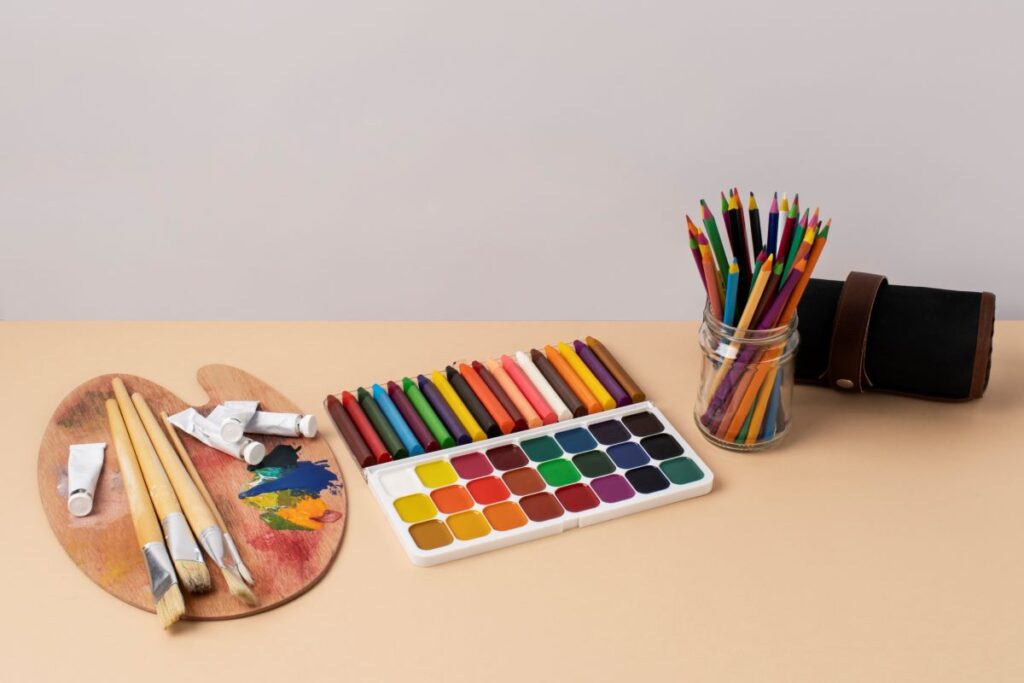
Besides the basic paints, brushes, and canvases, certain tools can significantly improve your painting experience. These items are often overlooked but are essential for beginners seeking efficiency and better results.
Palette Knives
- Purpose: Mixing paints and creating texture on canvas.
- Recommended Use: Acrylic and oil painting.
- Budget Brands: Liquitex, Winsor & Newton.
- Tip: Start with 1–2 sizes of knives; they are cheap and versatile.
Easels
- Purpose: Holding your canvas at the right angle to paint comfortably.
- Recommended Use: All painting mediums.
- Types:
- Tabletop easels: Small, portable, budget-friendly.
- Studio easels: Tall, adjustable, professional feel.
- Budget Brands: Mont Marte, US Art Supply.
Water Jars, Rags, and Cleaning Supplies
- Purpose: Cleaning brushes, controlling water levels, and keeping your workspace neat.
- Tips:
- Use old jars or mugs for water.
- Keep paper towels or microfiber cloths handy.
- Mild soap is sufficient for acrylic and watercolor brushes.
6. Storage and Organization
Organizing your painting supplies prevents damage, saves time, and helps you work efficiently. Beginners can use budget-friendly solutions to store their supplies neatly.
| Storage Item | Purpose | Budget-Friendly Options | Tips |
|---|---|---|---|
| Art Caddy | Store brushes, palettes, and small supplies | Amazon Basics, IKEA containers | Keep brushes upright to maintain shape |
| Stackable Drawers | Hold paints, papers, and sketchbooks | Sterilite, Muji | Label drawers for easy access |
| Brush Holder Roll | Travel or small workspace storage | Handmade canvas rolls, Etsy options | Roll brushes to protect bristles |
| Tool Box or Tackle Box | Paint tubes, palette knives, small accessories | Walmart or local stores | Multi-compartment design for sorting |
7. Tips for Saving Money as a Beginner Painter
Painting can become expensive if you buy premium products unnecessarily. Here are strategies to maximize value while getting the Best Painting Supplies:
- Buy Starter Kits: Many brands offer beginner kits that include brushes, paints, and palettes at a lower price than buying separately.
- Start Small: Avoid buying 48-color sets of paints. A set of 12 primary colors is enough to mix almost all colors.
- Use Recyclable Tools: Old jars, cardboard palettes, or even scrap paper can be used to save money.
- Wait for Sales: Online stores like Blick, Michaels, or local art shops offer seasonal discounts.
- Focus on Essentials: Don’t buy specialty tools until you are confident with basic techniques.
8. Step-by-Step Beginner Painting Setup
Here’s a simple guide to setting up your painting workspace for the first time without overspending:
- Choose a Workspace: Find a well-lit area, preferably near a window. Use a table or desk with enough space for canvas and supplies.
- Set Up Your Easel or Flat Surface: For tabletop painting, a slanted board or easel helps maintain a comfortable angle.
- Organize Paints and Brushes: Use a small drawer, jar, or caddy. Keep brushes separated by size or type.
- Prepare Your Palette: Place small amounts of paint on a plastic or disposable palette.
- Keep Cleaning Supplies Handy: Water jars, rags, and mild soap should be within arm’s reach.
- Start Simple: Begin with basic shapes or still-life painting to practice brush control and color mixing.
9. Summary of Best Painting Supplies for Beginners
Here is a quick summary table of the Best Painting Supplies for beginners on a budget:
| Category | Recommended Items | Notes |
|---|---|---|
| Paints | Acrylic (Liquitex Basics), Watercolor (Sakura Koi), Oil (Winsor & Newton Winton) | Start with 12 basic colors |
| Brushes | Round, Flat, Filbert (Princeton or Arteza) | Synthetic brushes are best for beginners |
| Canvas / Paper | Canvas Panels, Watercolor Paper (Canson) | Budget-friendly, easy to use |
| Palettes | Plastic, Wooden, or Disposable Palette Paper | Avoid unnecessary cleaning stress |
| Tools | Palette Knives, Easel, Water Jars | Essential for blending, comfort, and workflow |
| Storage | Art Caddy, Stackable Drawers, Brush Holder Roll | Organize efficiently, save time |
Conclusion
Choosing the Best Painting Supplies as a beginner does not have to be expensive or overwhelming. By focusing on essential tools like affordable paints, versatile brushes, quality canvases or papers, and basic accessories such as palettes and easels, you can start your painting journey confidently without breaking the bank. Remember, the goal is to experiment, learn, and enjoy the process—your skills and creativity will grow over time. Investing in the right beginner-friendly supplies ensures a smoother learning experience, better results, and long-lasting materials. Start small, stay organized, and gradually expand your collection as your painting skills improve. With the right mindset and the Best Painting Supplies, anyone can turn their creative ideas into beautiful artworks.

10. FAQs
Q1: What are the best painting supplies for beginners?
The best painting supplies for beginners include acrylic paints, a basic set of brushes (round, flat, filbert), canvas panels or watercolor paper, a palette for mixing, palette knives, and a small easel. Choosing synthetic brushes and budget-friendly paints is ideal for beginners.
Q2: Can I start painting with cheap supplies?
Yes, you can start with affordable supplies, but ensure the paint quality is decent. Low-quality brushes and paints may affect your results and motivation. Budget-friendly brands like Liquitex Basics, Sakura Koi, and Canson papers provide good quality for beginners.
Q3: How do I choose the right brush for my painting?
For beginners, start with synthetic brushes: round brushes for details, flat brushes for broad strokes, and filbert brushes for blending. Avoid buying large sets until you are comfortable with basic techniques. For more on blending techniques in different mediums, check out this guide on blending techniques in painting.
Q4: What surfaces should beginners paint on?
Canvas panels and watercolor paper are ideal for beginners. They are affordable, easy to store, and compatible with acrylic, oil, and watercolor paints. Stretched canvases are more professional but slightly more expensive.
Q5: How can I save money on painting supplies?
Buy starter kits, start small with essential colors, use recyclable tools like jars or cardboard, wait for sales, and prioritize essential tools over specialty items.
Q6: Do I need an easel as a beginner?
A tabletop easel or slanted board is helpful but not mandatory. Easels improve comfort and allow better perspective when painting larger surfaces.
Q7: Where can I find affordable high-quality paints online?
You can find beginner-friendly and affordable paints from reputable online stores like Blick Art Materials which offers a wide range of acrylics, watercolors, and oils suitable for beginners on a budget.