
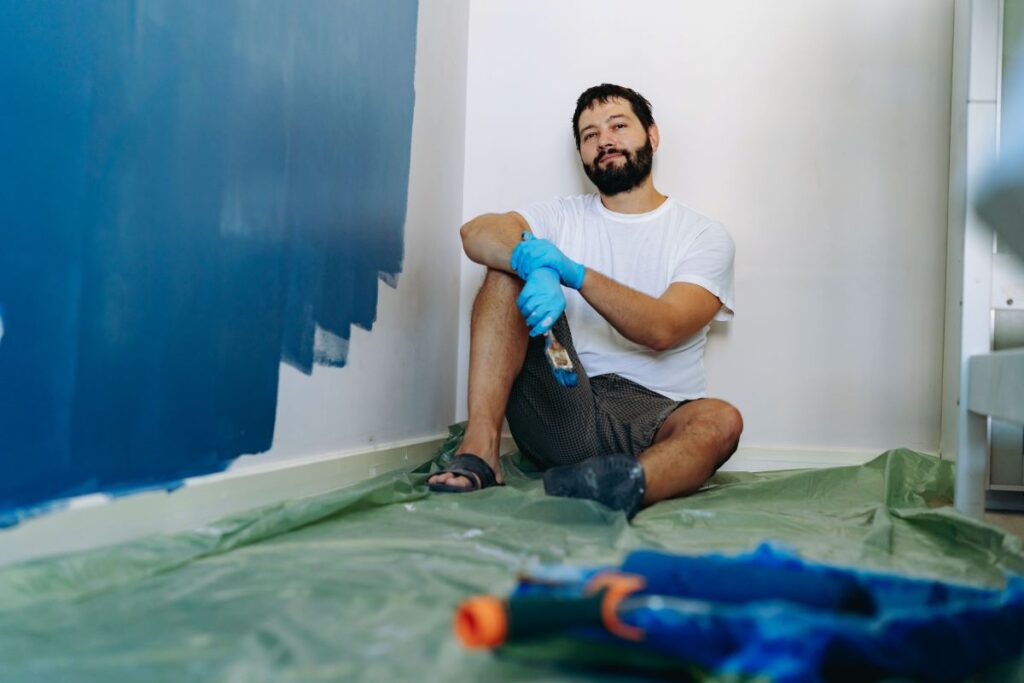
When starting any painting project, one of the most common and important questions people ask is how long does it take for paint to dry. Whether you’re painting a bedroom wall, furniture, or an outdoor surface, understanding paint drying time helps you avoid smudges, uneven coats, and costly mistakes.
Paint may look dry on the surface, but that doesn’t always mean it’s ready for another coat or safe to touch. Different paint types, weather conditions, and surfaces all affect drying speed. In this complete guide, you’ll learn exactly how long paint takes to dry, what factors slow or speed it up, and how professionals ensure perfect results every time.
What Does “Paint Drying Time” Actually Mean?
Before we talk about numbers, it’s important to understand what paint drying time actually refers to.
Paint drying happens in two main stages:
1. Touch Dry
This means the surface feels dry when lightly touched.
However, the paint underneath may still be soft.
2. Fully Cured
Curing is when paint reaches its maximum hardness and durability.
This process can take days or even weeks, depending on paint type.
👉 Many people confuse these two stages, which leads to peeling, fingerprints, and uneven finishes.
Example:
- Paint may feel dry in 1 hour
- But may need 24–30 days to fully cure
Understanding this difference is key when planning your painting schedule.
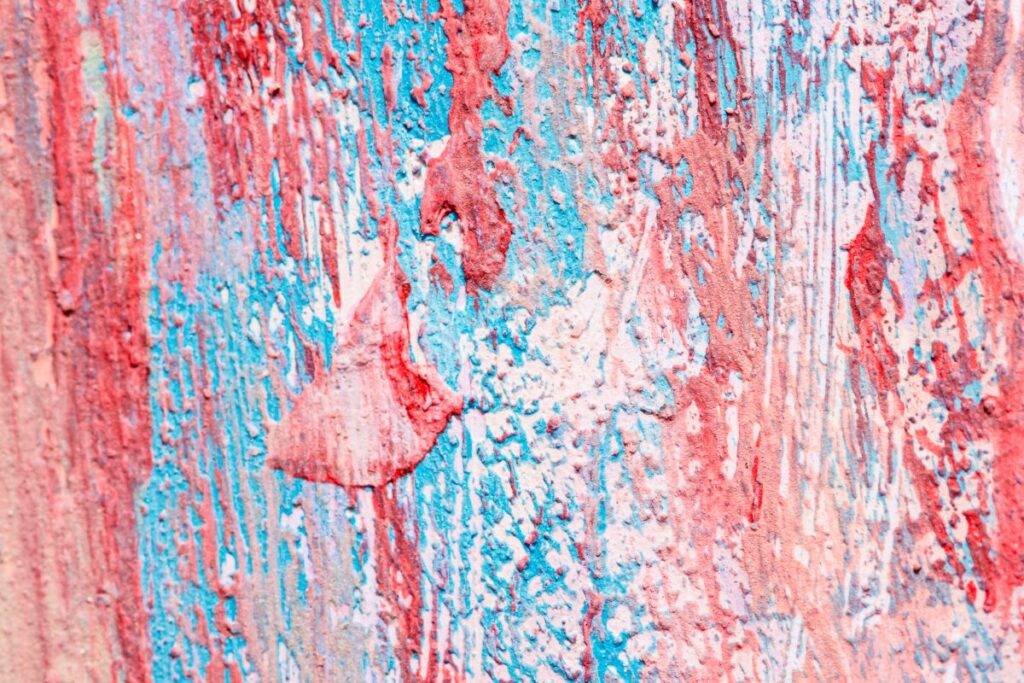
How Long Does It Take for Paint to Dry? (By Paint Type)
The biggest factor in answering how long does it take for paint to dry is the type of paint you’re using. Each formula behaves differently.
Latex Paint (Water-Based)
Latex paint is the most common choice for modern interiors.
Drying time:
- Touch dry: 30–60 minutes
- Recoat time: 2–4 hours
- Fully cured: 21–30 days
Interior paint drying time for latex is usually faster because indoor environments are controlled.
Best for:
- Walls
- Ceilings
- Bedrooms
- Living rooms
Oil-Based Paint
Oil-based paints dry much slower but offer a harder finish.
Drying time:
- Touch dry: 6–8 hours
- Recoat time: 24 hours
- Fully cured: 7–14 days
Because of long drying periods, oil paint is mostly used for:
- Trim
- Doors
- Cabinets
Acrylic Paint
Acrylic paint is commonly used for art and craft projects.
Drying time:
- Touch dry: 10–30 minutes
- Fully cured: 24–72 hours
Thickness matters greatly here — thick acrylic layers can remain soft for days.
Enamel Paint
Enamel paint is durable but slow to cure.
Drying time:
- Touch dry: 1–2 hours
- Recoat time: 8–24 hours
- Fully cured: up to 30 days
Often used for:
- Metal
- Furniture
- High-traffic surfaces
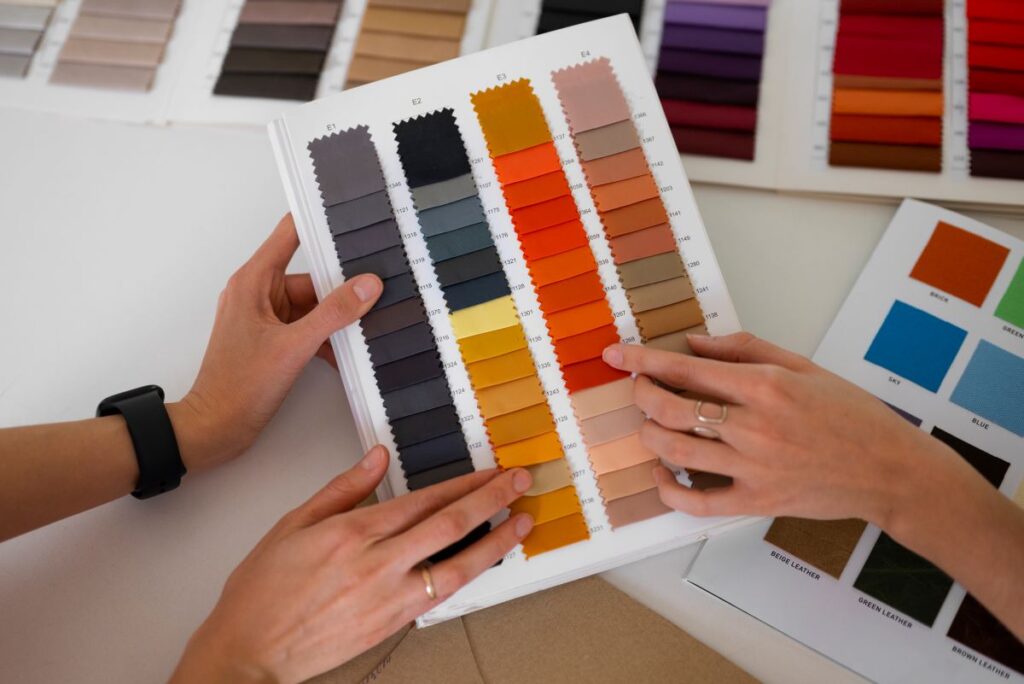
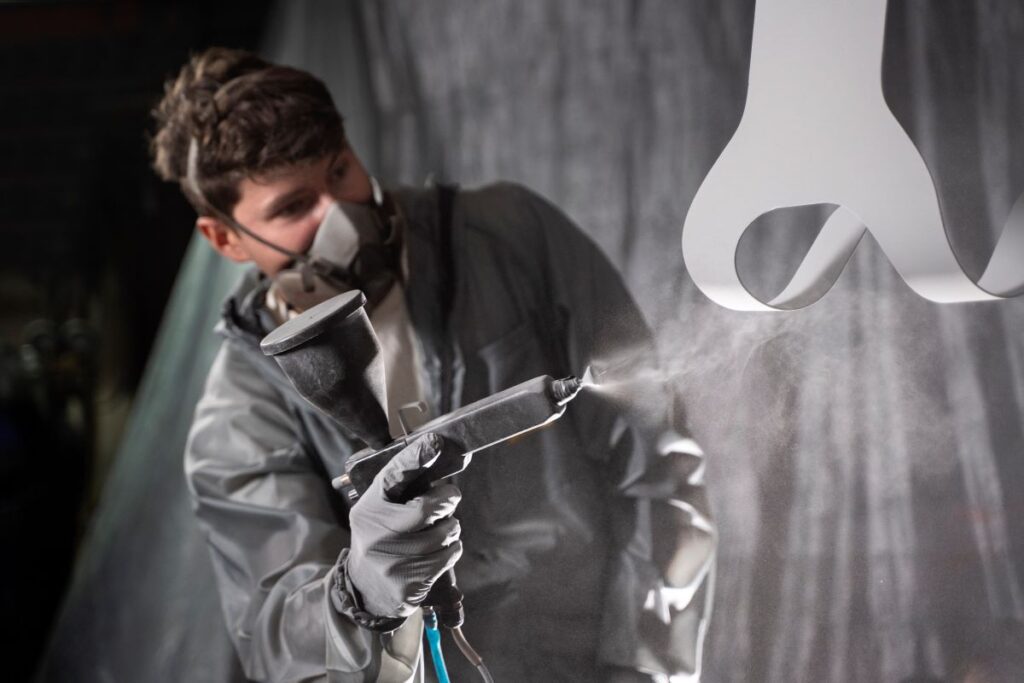
How Long Does Spray Paint Take to Dry?
One of the most searched questions online is how long does spray paint take to dry, and the answer depends on conditions and paint brand.
Spray Paint Drying Stages
Spray paint goes through several drying stages:
| Stage | Time |
|---|---|
| Dust-free | 10–15 minutes |
| Touch dry | 30–60 minutes |
| Handle dry | 1–3 hours |
| Fully cured | 24–48 hours |
Indoor vs Outdoor Drying
Indoor drying
- More controlled temperature
- Less humidity
- Faster and more even results
Outdoor drying
- Wind, dust, and humidity slow drying
- Sunlight may cause uneven curing
Always spray in thin coats. Thick coats trap solvents and extend drying time.
Factors That Affect Paint Drying Time
Even the best paint won’t dry properly if conditions are wrong. These paint drying factors play a major role.
Temperature
- Ideal range: 18–25°C (65–77°F)
- Cold temperatures slow evaporation
- Excessive heat causes cracking
Humidity
- High humidity traps moisture
- Paint stays sticky longer
- Ideal humidity: below 70%
Surface Type
- Porous surfaces (wood, drywall) absorb paint faster
- Non-porous surfaces (metal, plastic) dry slower
Paint Thickness
- Thick coats = slow drying
- Multiple thin coats = faster and smoother finish
Understanding these paint drying factors helps prevent frustration and rework.
How Much Paint Do I Need? (Easy Calculation Guide)
Many beginners ask how much paint do I need before starting. Buying too little or too much wastes time and money.
Paint Coverage Per Gallon
On average:
- 1 gallon covers 350–400 sq ft per coat
Room Size Example
Example room:
- 12 ft × 12 ft
- Wall height: 8 ft
Total wall area ≈ 384 sq ft
➡️ You’ll need 1 gallon per coat
Wall vs Ceiling Paint Usage
| Surface | Coverage |
|---|---|
| Walls | Standard |
| Ceilings | Slightly more paint |
| Textured walls | 10–20% extra |
Always buy a little extra for touch-ups later.
How to Make Paint Dry Faster (Safe Methods)
If you’re short on time, there are safe ways to speed things up without damaging the finish.
Professional-approved methods:
- Increase ventilation (open windows)
- Use fans (not directly facing walls)
- Maintain warm room temperature
- Apply thin coats
- Use fast-drying paint formulas
🚫 Avoid heat guns or hair dryers — they cause cracking and bubbles.
Common Paint Drying Mistakes to Avoid
Many paint problems happen because people rush the process.
Avoid these mistakes:
- Applying second coat too soon
- Painting in high humidity
- Using thick paint layers
- Closing windows immediately
- Touching paint before curing
These mistakes often lead to peeling, stickiness, and uneven texture.
Professional Painter Tips for Perfect Results
As professional painters follow, these tips guarantee smooth finishes:
- Always read manufacturer drying times
- Use quality brushes and rollers
- Stir paint properly before use
- Sand lightly between coats
- Allow full curing before cleaning surfaces
Patience is the secret ingredient in every professional paint job.
Related Articles from PaintersDiary
Explore more helpful guides on our website:
- Famous Painters of All Time & Their Most Iconic Paintings
- Landscape Paintings Explained: Nature Art & Landscape Artwork Styles
These articles will help you plan smarter and paint with confidence.
Frequently Asked Questions (FAQs)
How long should paint dry before second coat?
Most latex paints need 2–4 hours before a second coat, while oil-based paints require 24 hours.
Can paint dry overnight?
Yes, most interior paints become dry overnight, but they are not fully cured yet.
Why is my paint still sticky?
Sticky paint usually means high humidity, thick coats, or insufficient drying time.
Is curing time different from drying time?
Yes. Drying refers to surface dryness, while curing means the paint has fully hardened.
How long does spray paint take to dry completely?
Most spray paints fully cure within 24–48 hours, depending on weather and thickness.
Can I sleep in a freshly painted room?
It’s best to wait 24 hours with proper ventilation before sleeping inside.
Does exterior paint dry slower than interior paint?
Yes. Exterior paint drying time is longer due to temperature changes and humidity.
Can fans help paint dry faster?
Yes, gentle airflow helps remove moisture and speeds drying safely.
Conclusion
Understanding how long does it take for paint to dry is essential for achieving clean, professional-looking results. While some paints may feel dry within an hour, true curing can take days or even weeks. Paint type, environment, surface material, and application method all influence the final outcome.
By following correct drying times, avoiding common mistakes, and applying thin coats patiently, you can ensure your paint job lasts for years. If you want better finishes, smarter planning, and fewer repainting problems, always respect paint drying time.
For more expert tips and inspiration, explore our detailed guides on PaintersDiary and continue improving your painting skills with confidence.