
Introduction
Blending is one of the most important skills an artist can develop. It determines how smoothly colors transition, how realistic forms appear, and how professional a painting feels. Understanding Blending Techniques in Painting allows artists to control mood, depth, and texture across different mediums.
While blending may look effortless in finished artwork, it requires a strong understanding of timing, tools, and paint behavior. Acrylic, oil, and watercolor each demand different blending approaches. What works beautifully in oil painting may fail completely in watercolor, while acrylic blending requires speed and precision.
This comprehensive guide explores Blending Techniques in Painting by comparing acrylic, oil, and watercolor methods in detail. Beginners and intermediate artists will learn how blending works in each medium, which tools to use, common mistakes to avoid, and how to practice effectively.
By the end of this article, you will understand how to blend confidently across all three major painting mediums.
Why Blending Techniques in Painting Matter
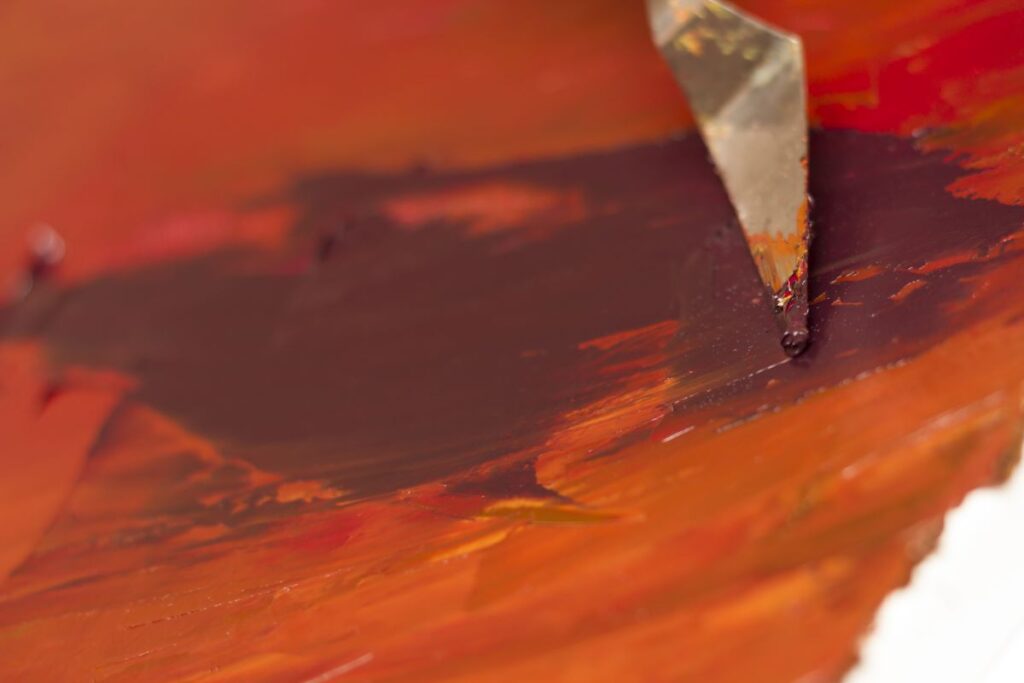
Blending is more than just mixing colors on a canvas. It is a visual language that helps communicate form, movement, and atmosphere. Strong Blending Techniques in Painting allow artists to create realistic shadows, soft highlights, and seamless gradients.
Poor blending can result in muddy colors, harsh transitions, and flat looking artwork. When artists master blending, their paintings feel more natural and visually pleasing.
Key Benefits of Mastering Blending
Creates realistic light and shadow
Enhances depth and dimension
Improves color harmony
Adds emotional softness or dramatic contrast
Separates amateur work from professional results
Understanding Paint Behavior Before Blending
Before learning specific Blending Techniques in Painting, it is essential to understand how each medium behaves. Drying time, opacity, and fluidity all affect blending outcomes.
Paint Behavior Comparison Table
| Medium | Drying Speed | Blendability | Transparency |
|---|---|---|---|
| Acrylic | Fast | Moderate | Opaque to semi |
| Oil | Slow | High | Opaque |
| Watercolor | Fast to moderate | Fluid | Transparent |
Each medium requires a different mindset when applying Blending Techniques in Painting.
Core Blending Principles That Apply to All Mediums
Even though techniques vary, some blending principles remain universal. These principles form the foundation of effective Blending Techniques in Painting regardless of medium.
Principle 1 Work From Dark to Light
Starting with darker values allows smoother control of highlights. This approach prevents chalky or overworked transitions.
Principle 2 Use Minimal Paint
Too much paint leads to muddy blends. Controlled amounts allow clean transitions.
Principle 3 Clean Tools Frequently
Dirty brushes contaminate colors and ruin blends.
Principle 4 Observe Before You Blend
Good blending depends on observation. Study how colors transition in real life.
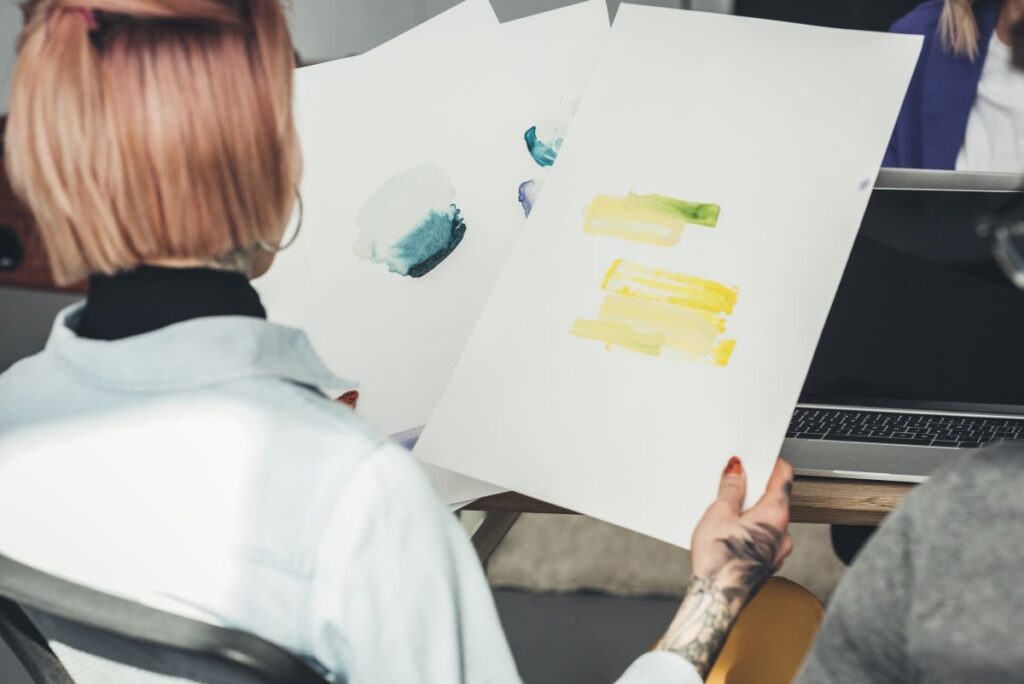
Blending Techniques in Acrylic Painting
Acrylic paint is popular among beginners, but blending can be challenging due to fast drying time. Mastering Blending Techniques in Painting with acrylics requires preparation and speed.
How Acrylic Paint Blends
Acrylic dries quickly, meaning blends must happen while the paint is still wet. Once dry, layers do not merge naturally.
Common Acrylic Blending Methods
Wet on wet blending
Feathering with a damp brush
Layered blending using thin glazes
Acrylic Blending Tips for Beginners
Use a stay wet palette
Work in small sections
Mist the canvas lightly
Use soft synthetic brushes
Acrylic Blending Mistakes
Overworking the paint
Using dry brushes
Waiting too long before blending
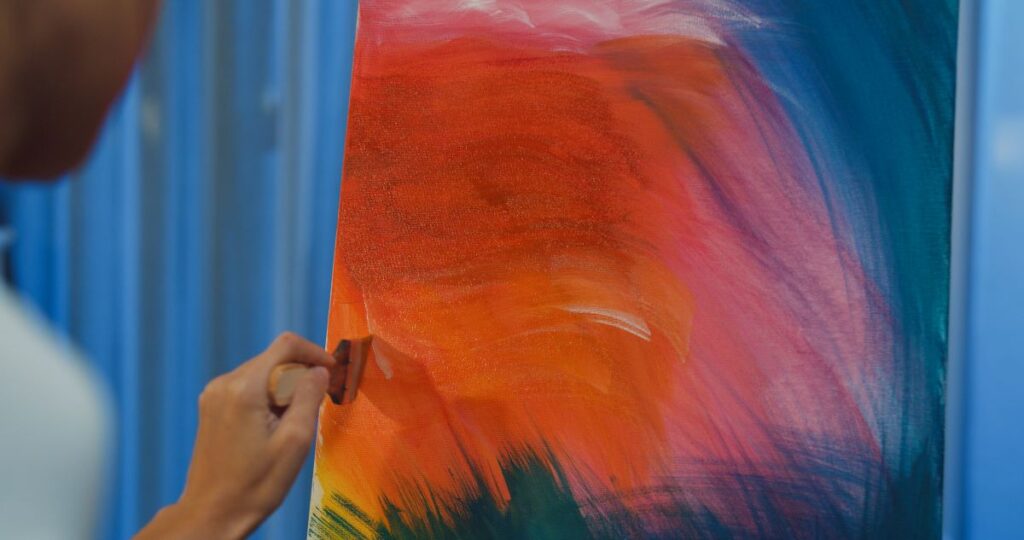
Best Brushes and Tools for Acrylic Blending
The right tools significantly improve Blending Techniques in Painting with acrylics.
Recommended Tools
Soft flat brushes
Filbert brushes
Synthetic blending brushes
Retarder medium
Acrylic Tool Comparison Table
| Tool | Purpose |
|---|---|
| Flat Brush | Smooth gradients |
| Filbert | Soft edges |
| Retarder | Slows drying |
| Spray Bottle | Keeps paint workable |
Practice Exercise Acrylic Blending
Create a simple gradient from dark blue to white. Apply colors side by side and blend quickly using light strokes. Repeat using different color combinations to strengthen Blending Techniques in Painting.
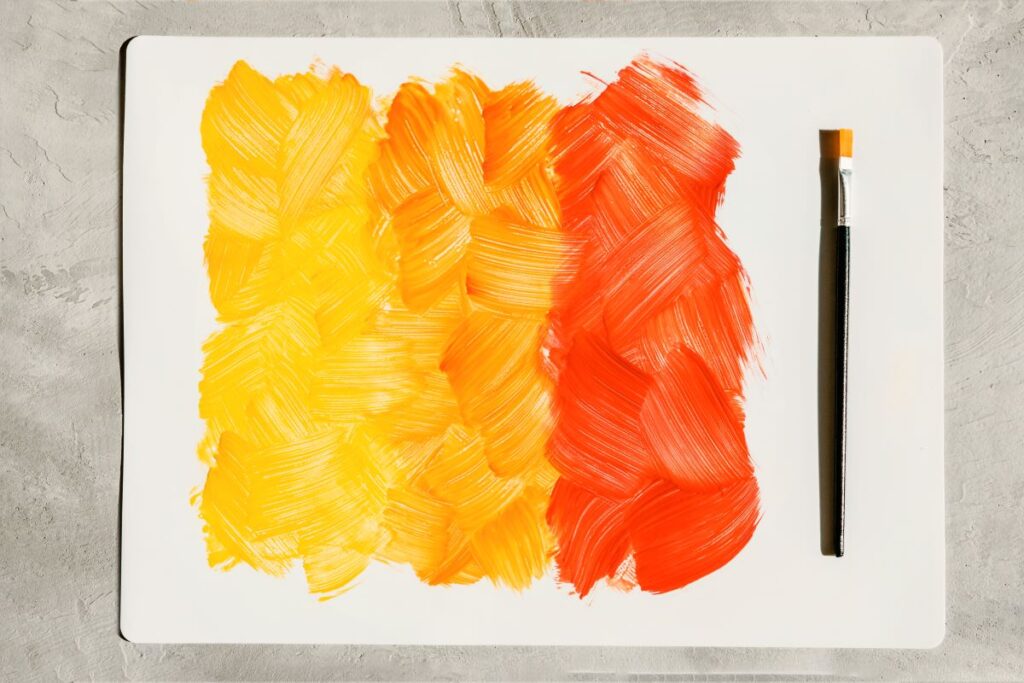
Blending Techniques in Oil Painting
Oil painting is often considered the ideal medium for mastering Blending Techniques in Painting. Its slow drying time allows artists to manipulate color for extended periods, making it perfect for smooth transitions and realistic effects.
How Oil Paint Blends Naturally
Oil paint remains wet for hours or even days. This allows colors to merge seamlessly on the canvas, creating gradual tonal shifts without harsh edges.
Popular Oil Blending Methods
Wet on wet blending
Scumbling for soft transitions
Layered blending over dry paint
Why Oil Is Ideal for Beginners Learning Blending
Extended working time
Easy correction of mistakes
Natural smoothness of color transitions
Common Oil Blending Mistakes
Using too much paint
Over blending until colors become dull
Ignoring value structure
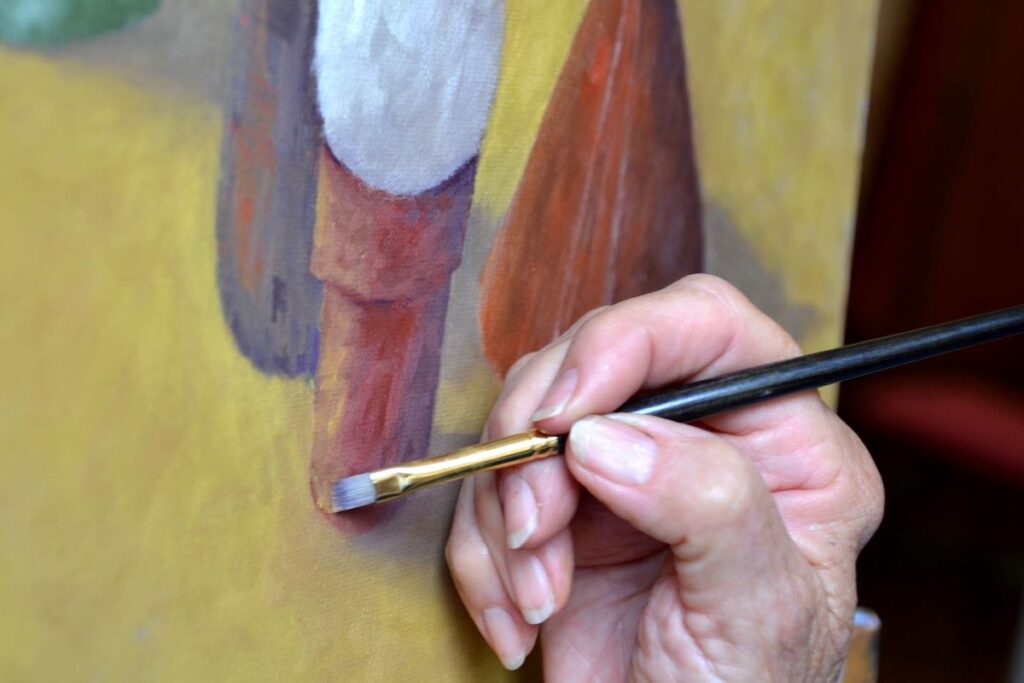
Oil Painting Blending Tools and Mediums
Tools and mediums play a major role in effective Blending Techniques in Painting when working with oils.
Essential Oil Blending Tools
Soft natural hair brushes
Fan brushes for soft edges
Blending stumps
Palette knives
Oil Mediums That Improve Blending
Linseed oil
Stand oil
Painting medium blends
Oil Blending Tools Table
| Tool or Medium | Function |
|---|---|
| Fan Brush | Smooth transitions |
| Linseed Oil | Increases flow |
| Stand Oil | Reduces brush marks |
| Soft Round Brush | Gentle blending |
Step by Step Oil Blending Process
Start with a toned canvas
Block in main colors
Blend gently using clean brushes
Refine transitions slowly
This structured approach improves Blending Techniques in Painting while maintaining clarity.
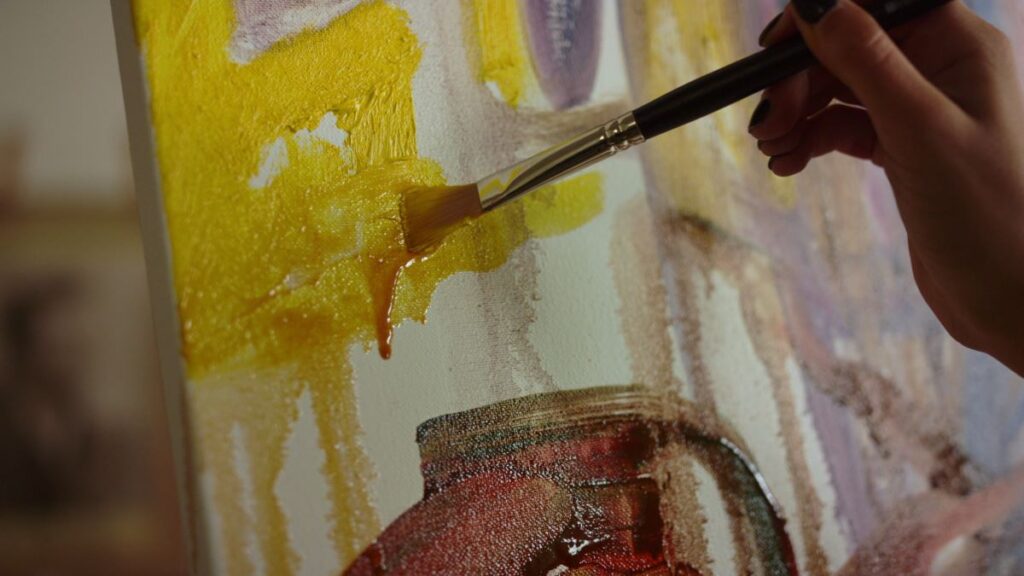
Blending Techniques in Watercolor Painting
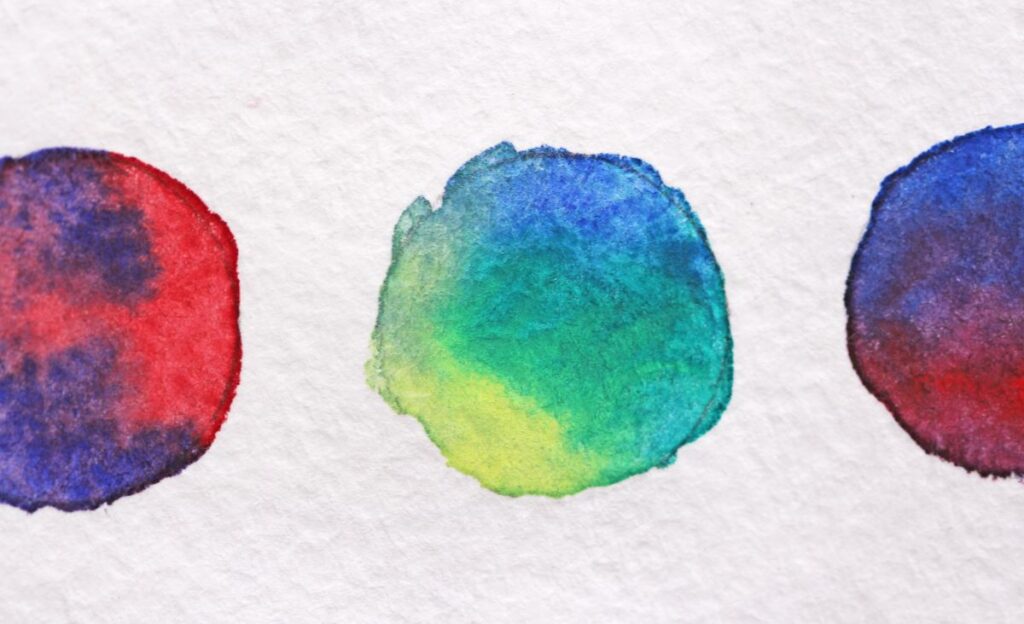
Watercolor blending relies heavily on water control rather than brush pressure. This makes Blending Techniques in Painting with watercolor unique and highly sensitive.
How Watercolor Blending Works
Colors spread naturally through water. Artists guide the flow rather than forcing the blend.
Key Watercolor Blending Methods
Wet on wet blending
Graded washes
Variegated washes
Watercolor Blending Tips for Beginners
Use high quality paper
Control water to pigment ratio
Tilt the paper to guide flow
Watercolor Blending Mistakes
Overworking wet areas
Using low quality paper
Lifting paint unintentionally
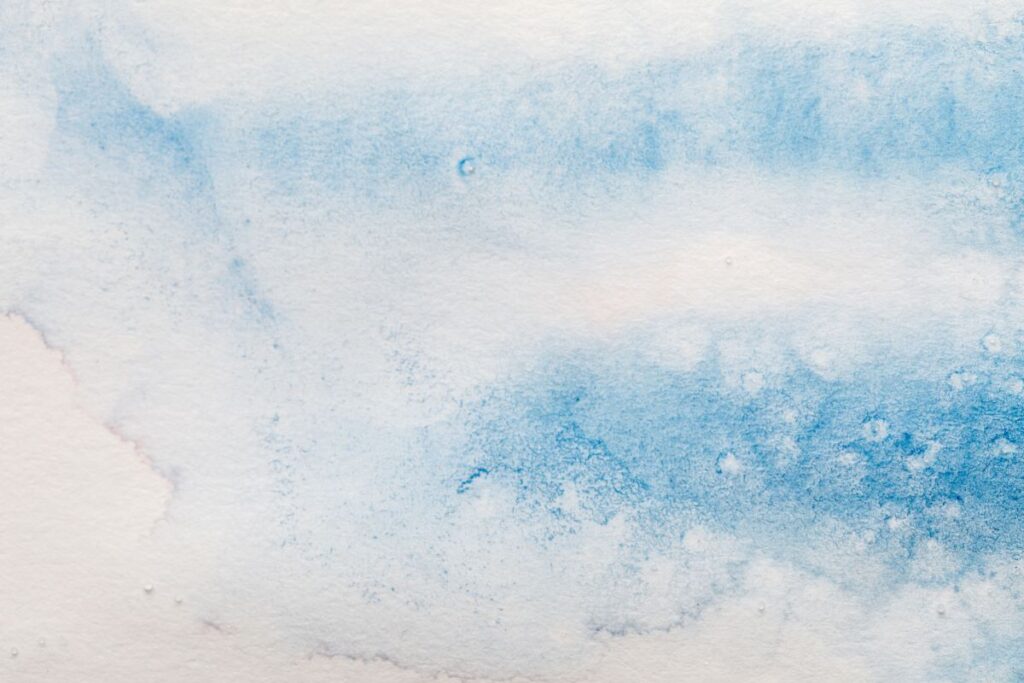
Watercolor Blending Tools and Supplies
Recommended Watercolor Tools
Round brushes with fine tips
Water containers for clean rinsing
Absorbent paper towels
Cold pressed watercolor paper
Watercolor Tool Table
| Tool | Purpose |
|---|---|
| Round Brush | Controlled blending |
| Paper Towel | Lifting highlights |
| Cold Press Paper | Texture and absorption |
| Clean Water | Color clarity |
Comparing Blending Techniques in Painting Across Mediums
Understanding the differences helps artists adapt Blending Techniques in Painting effectively.
Medium Comparison Table
| Feature | Acrylic | Oil | Watercolor |
|---|---|---|---|
| Drying Time | Fast | Slow | Moderate |
| Blending Ease | Medium | High | Fluid |
| Correction Ability | Limited | High | Low |
| Best For | Bold gradients | Realism | Soft atmospheres |
When to Choose Each Medium for Blending
Choose acrylic for speed and bold transitions
Choose oil for realism and smooth blending
Choose watercolor for light transparent effects
Each medium enhances Blending Techniques in Painting in different ways.
Advanced Control in Blending Techniques in Painting
Once the basics are understood, artists can refine Blending Techniques in Painting by learning how to control edges, transitions, and focal areas more intentionally. Advanced blending is not about making everything smooth, but about choosing where softness and sharpness belong.
Selective Blending for Realism
Not every area of a painting should be blended equally. Over blending removes energy and realism.
Foreground elements benefit from sharper edges
Background areas require softer blending
Focal points need controlled contrast
This selective approach strengthens Blending Techniques in Painting across all mediums.
Edge Control and Its Role in Blending
Edge control is closely connected to Blending Techniques in Painting. How edges are blended affects depth, focus, and realism.
Types of Edges in Painting
Hard edges attract attention
Soft edges create atmosphere
Lost edges blend into surroundings
Practicing Edge Control
Paint the same object using different edge styles
Blend edges only where necessary
Observe edges in real life scenes
Edge Control Table
| Edge Type | Visual Effect |
|---|---|
| Hard | Sharp focus |
| Soft | Gentle transition |
| Lost | Depth and realism |
How to Avoid Muddy Colors While Blending
Muddy colors are one of the most common problems artists face when practicing Blending Techniques in Painting.
Causes of Muddy Blending
Too many colors mixed together
Dirty brushes
Overworking wet paint
How to Prevent Muddy Blends
Limit palette choices
Clean brushes frequently
Blend with light pressure
Allow layers to dry when needed
These habits protect color clarity and improve Blending Techniques in Painting significantly.
Blending Light and Shadow Effectively
Blending Techniques in Painting are essential for creating believable light and shadow transitions.
Value Based Blending
Focus on value before color
Blend tonal transitions gradually
Maintain contrast at focal points
Light and Shadow Practice Exercise
Paint a simple sphere
Blend from shadow to midtone
Keep highlights sharp
Medium Specific Blending Challenges and Solutions
Each medium presents unique blending challenges. Understanding them helps refine Blending Techniques in Painting.
Acrylic Challenges
Paint dries too fast
Edges become harsh
Solution
Use retarder and work in small sections
Oil Challenges
Over blending dulls colors
Long drying times
Solution
Use fewer strokes and step back often
Watercolor Challenges
Uncontrolled blooms
Hard edges forming too quickly
Solution
Control water and timing carefully
Blending Techniques Practice Routine for All Mediums
Consistent practice strengthens Blending Techniques in Painting more than finishing perfect artworks.
Weekly Practice Plan
| Day | Focus |
|---|---|
| Day 1 | Gradient blending |
| Day 2 | Light and shadow |
| Day 3 | Edge control |
| Day 4 | Medium specific blending |
| Day 5 | Small study painting |
Common Myths About Blending Techniques in Painting
Many beginners misunderstand blending and apply it incorrectly.
Myth 1 More Blending Means Better Painting
Reality
Too much blending removes structure and energy.
Myth 2 Blending Is Only for Realism
Reality
Blending Techniques in Painting are used in abstract, impressionistic, and modern styles as well.
Myth 3 Blending Hides Mistakes
Reality
Good blending reveals strong fundamentals rather than hiding errors.
Summary of Blending Techniques in Painting So Far
| Area | Key Takeaway |
|---|---|
| Acrylic Blending | Speed and control |
| Oil Blending | Patience and softness |
| Watercolor Blending | Water management |
| Edge Control | Visual focus |
| Color Clarity | Clean tools |
Conclusion Mastering Blending Techniques in Painting Across Mediums
Blending Techniques in Painting are essential for creating smooth transitions, realistic forms, and emotionally engaging artwork. Whether working with acrylic, oil, or watercolor, blending allows artists to control light, depth, and atmosphere with precision.
Each medium requires a different approach to Blending Techniques in Painting. Acrylic demands speed and preparation, oil rewards patience and subtlety, and watercolor relies on timing and water control. Understanding these differences helps artists choose the right techniques for their creative goals rather than forcing one method across all mediums.
By practicing consistently and focusing on clean color transitions, edge control, and selective blending, artists can dramatically improve the quality of their paintings. Strong Blending Techniques in Painting are not about blending everything perfectly, but about knowing when to blend and when to let brushstrokes remain visible.
As artists grow more confident, blending becomes an intuitive part of the creative process. With time and experience, Blending Techniques in Painting transform from a technical challenge into a powerful artistic tool.
What are the most important Blending Techniques in Painting for beginners
The most important Blending Techniques in Painting for beginners include wet on wet blending, feathering edges, gradient blending, and controlled layering. These techniques help create smooth transitions and prevent harsh lines.
Which medium is easiest for learning Blending Techniques in Painting
Oil paint is generally the easiest medium for learning Blending Techniques in Painting because of its slow drying time. Acrylic can be more challenging due to fast drying, while watercolor requires strong water control.
How can I improve Blending Techniques in Painting with acrylics
To improve Blending Techniques in Painting with acrylics, work in small sections, use a retarder medium, keep brushes slightly damp, and blend quickly before the paint dries.
Can I combine Blending Techniques in Painting with other painting techniques
Yes Blending Techniques in Painting work best when combined with other painting methods such as layering, underpainting, and glazing. Beginners can explore a detailed guide on foundational methods here
15 Essential Painting Techniques Every Beginner Artist Should Know
This internal resource complements Blending Techniques in Painting by showing how other core techniques enhance your artwork.
Where can beginners find reliable resources for learning blending
Beginners can strengthen their understanding of Blending Techniques in Painting by consulting authoritative art references. A well respected source for painting fundamentals is available here
https://en.wikipedia.org/wiki/Painting
This outbound link provides historical context and technical insights that support a deeper understanding of blending.
Why is combining internal and external resources useful
Using both internal and external resources allows beginners to apply Blending Techniques in Painting effectively while understanding broader artistic principles. Internal guides provide practical exercises, while outbound references give technical and historical knowledge.
Final Comparison Table Acrylic Oil and Watercolor Blending
| Feature | Acrylic | Oil | Watercolor |
|---|---|---|---|
| Working Time | Short | Long | Medium |
| Ease of Blending | Moderate | High | Fluid |
| Control Level | Medium | High | High with practice |
| Best Use | Bold transitions | Realism | Soft effects |