
Introduction
Painting is one of the most expressive forms of visual art, allowing beginners and experienced artists alike to communicate emotions, ideas, and stories through color and texture. For new artists, the journey often begins with understanding the Essential Painting Techniques that form the foundation of all great artwork. These techniques help you control paint, develop confidence, and create visually compelling compositions regardless of the medium you choose.
Learning Essential Painting Techniques early can dramatically reduce frustration and speed up artistic growth. Instead of guessing how to blend colors or apply brushstrokes, you gain structured knowledge that allows you to paint with intention. Whether you are working with acrylics, oils, or watercolors, mastering these fundamentals will improve your results and help you develop your own artistic style.
This in depth guide explores fifteen Essential Painting Techniques every beginner artist should know. Each technique is explained clearly, with practical tips, medium specific advice, and common mistakes to avoid. You will also find tables for quick reference and image title suggestions to visually support your learning.
By the end of this guide, you will have a solid technical foundation and a deeper understanding of how professional artists approach painting.
Why Learning Essential Painting Techniques Matters
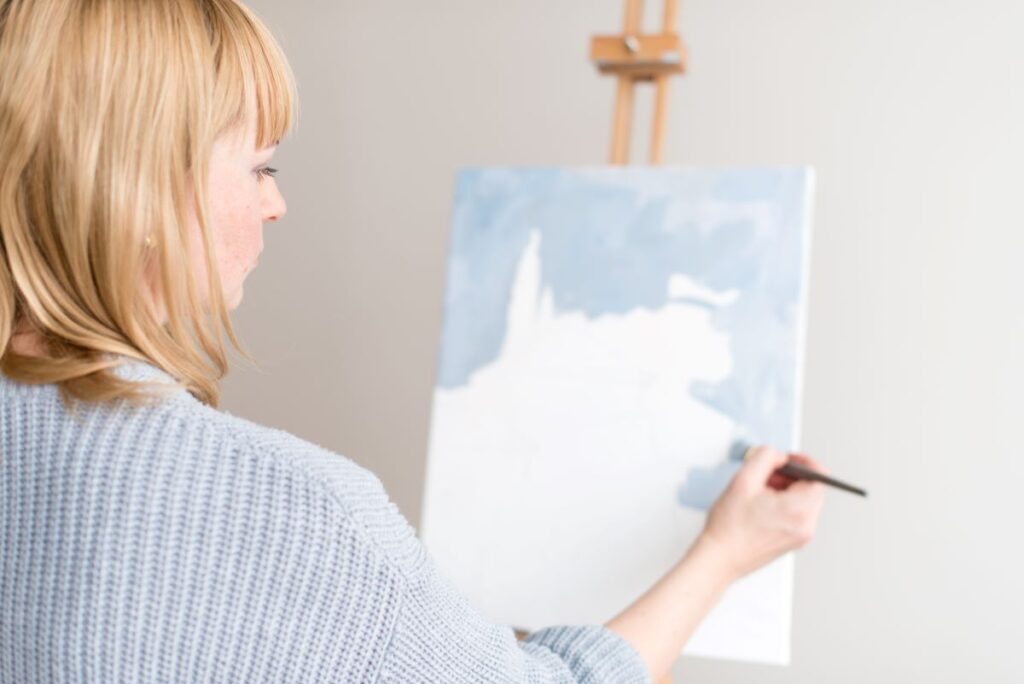
Many beginners believe creativity alone is enough to make good art. While creativity is important, technique is what allows creativity to shine. Essential Painting Techniques provide control, consistency, and clarity in your work.
Without proper technique, beginners often struggle with muddy colors, stiff brushwork, and unfinished looking paintings. Learning Essential Painting Techniques helps you understand how paint behaves, how layers interact, and how to guide the viewer’s eye across the canvas.
Here are some key benefits of mastering Essential Painting Techniques early:
• Better control over brushes and paint application
• Stronger compositions and cleaner results
• Faster improvement and skill development
• More confidence when experimenting with styles
• Ability to correct mistakes effectively
Overview of Painting Mediums for Beginners
Before diving into specific Essential Painting Techniques, it is important to understand how different painting mediums behave. Each medium responds differently to brush pressure, water, and layering.
Common Painting Mediums
| Medium | Characteristics | Best For Beginners |
|---|---|---|
| Acrylic | Fast drying, versatile, affordable | Yes |
| Watercolor | Transparent, fluid, delicate | Yes with practice |
| Oil | Slow drying, rich colors, blendable | Moderate difficulty |
| Gouache | Opaque watercolor, matte finish | Yes |
Understanding your medium will help you apply Essential Painting Techniques more effectively and avoid frustration.
Technique 1 Understanding Brush Control
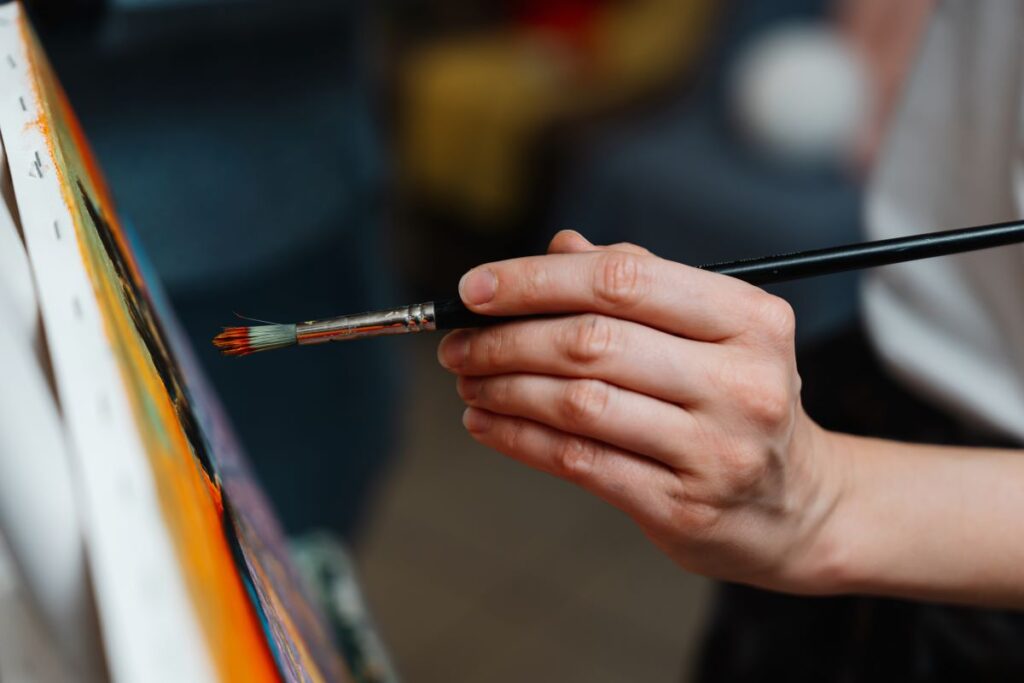
Brush control is one of the most fundamental Essential Painting Techniques. It determines how your strokes appear on the canvas and how much detail you can achieve.
How Brush Control Works
Brush control involves how you hold the brush, how much pressure you apply, and the angle at which you paint. Light pressure creates thin, delicate lines, while heavy pressure results in bold, expressive strokes.
Tips for Beginners
Hold your brush further back for loose strokes
Hold it closer to the ferrule for detail work
Practice straight lines and curves daily
Experiment with different brush shapes
Common Mistakes
Over gripping the brush
Using too much pressure
Not cleaning brushes properly
Technique 2 Color Mixing Fundamentals
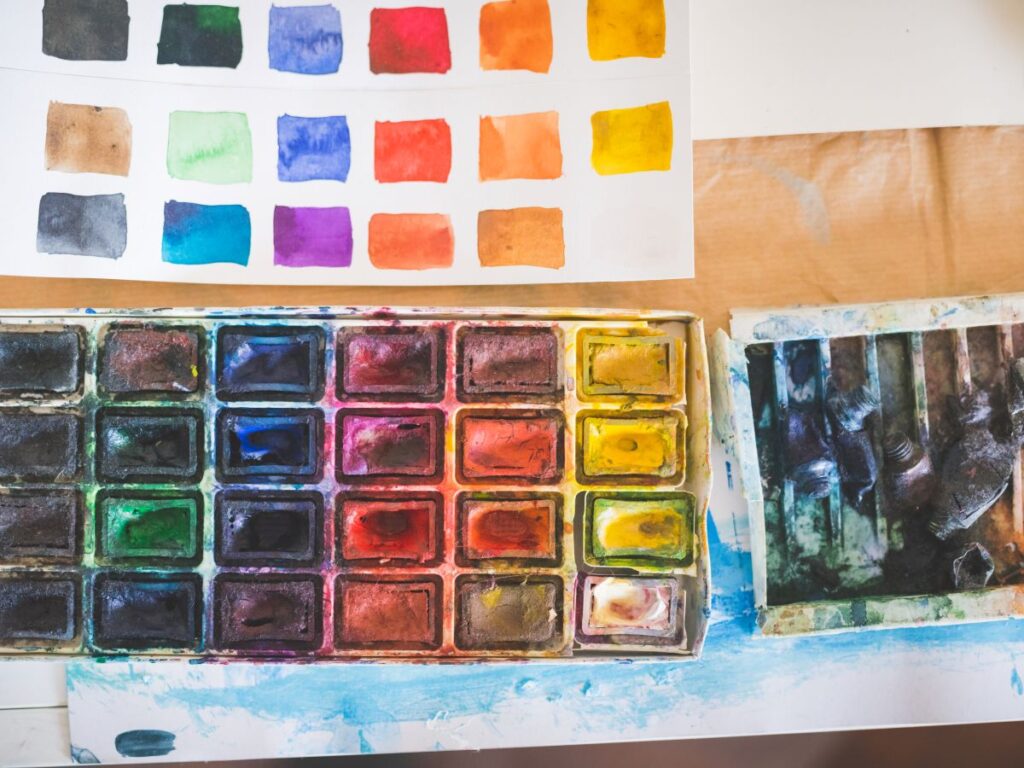
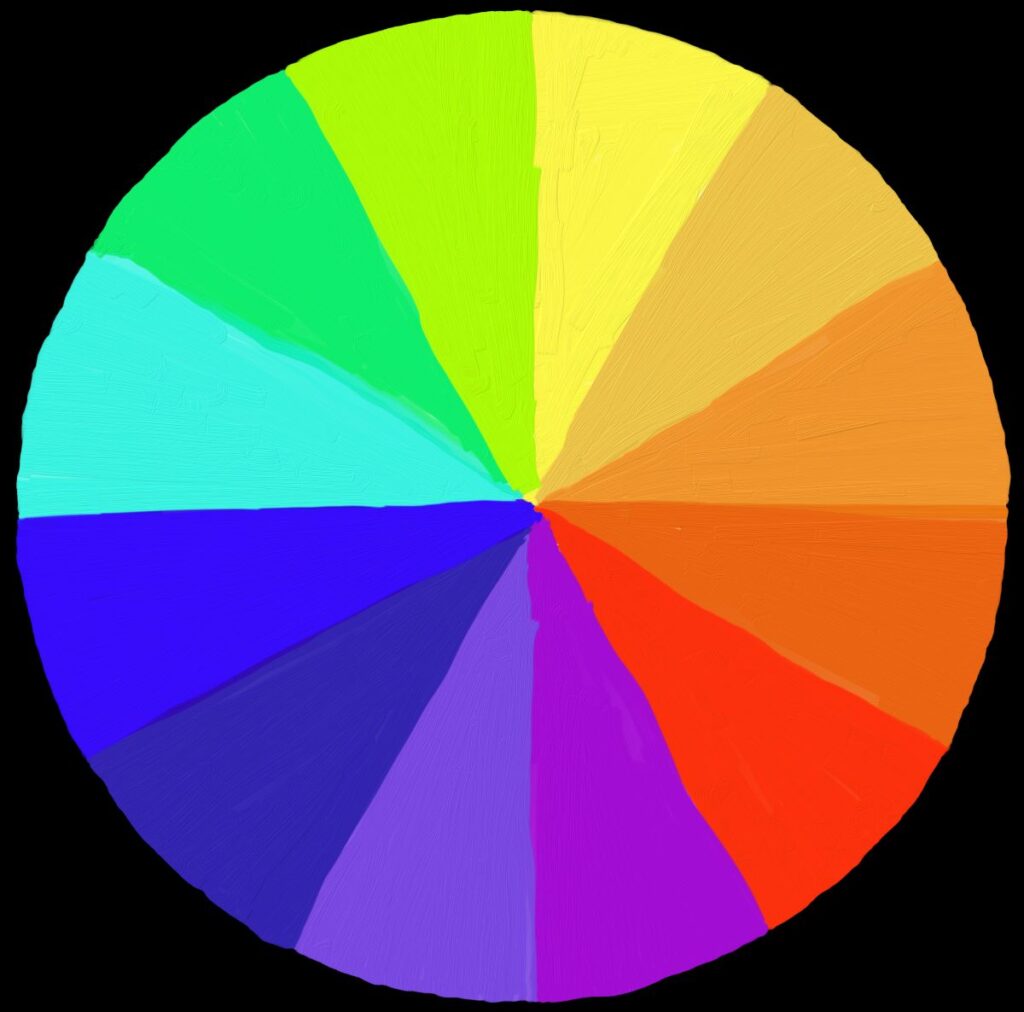
Color mixing is one of the most important Essential Painting Techniques because it affects mood, realism, and harmony in your artwork.
Primary Color Mixing
Understanding primary colors red blue and yellow allows you to create nearly every color. Beginners should practice mixing these colors before using premixed paints.
Color Temperature Awareness
Warm colors include reds oranges and yellows
Cool colors include blues greens and purples
Using warm and cool variations adds depth and realism to paintings.
Basic Color Mixing Table
| Colors Mixed | Result |
|---|---|
| Red + Blue | Purple |
| Blue + Yellow | Green |
| Red + Yellow | Orange |
| Red + White | Pink |
| Blue + White | Light Blue |
Technique 3 Layering and Building Depth
Layering is a critical part of Essential Painting Techniques, especially in acrylic and oil painting.
What Is Layering
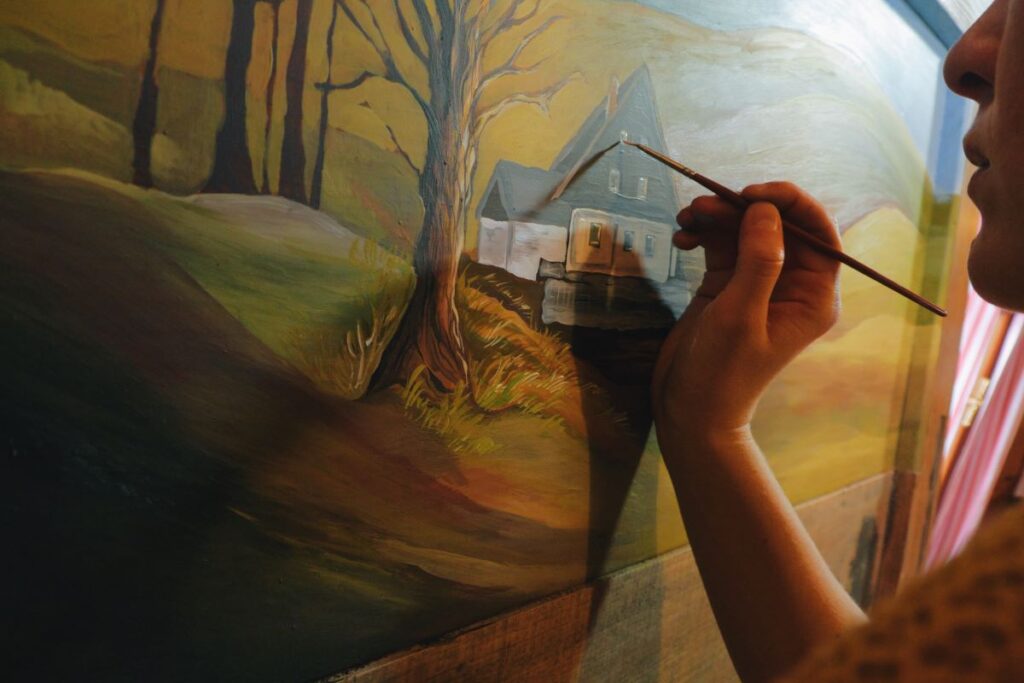
Layering means applying paint in stages rather than all at once. Each layer adds depth, detail, and richness.
How to Layer Properly
Start with thin base layers
Let layers dry before adding new ones
Gradually increase opacity
Use larger brushes first then smaller ones
Why Layering Matters
Layering prevents muddy colors
It creates realistic shadows and highlights
It allows corrections without ruining the painting
Technique 4 Blending Colors Smoothly
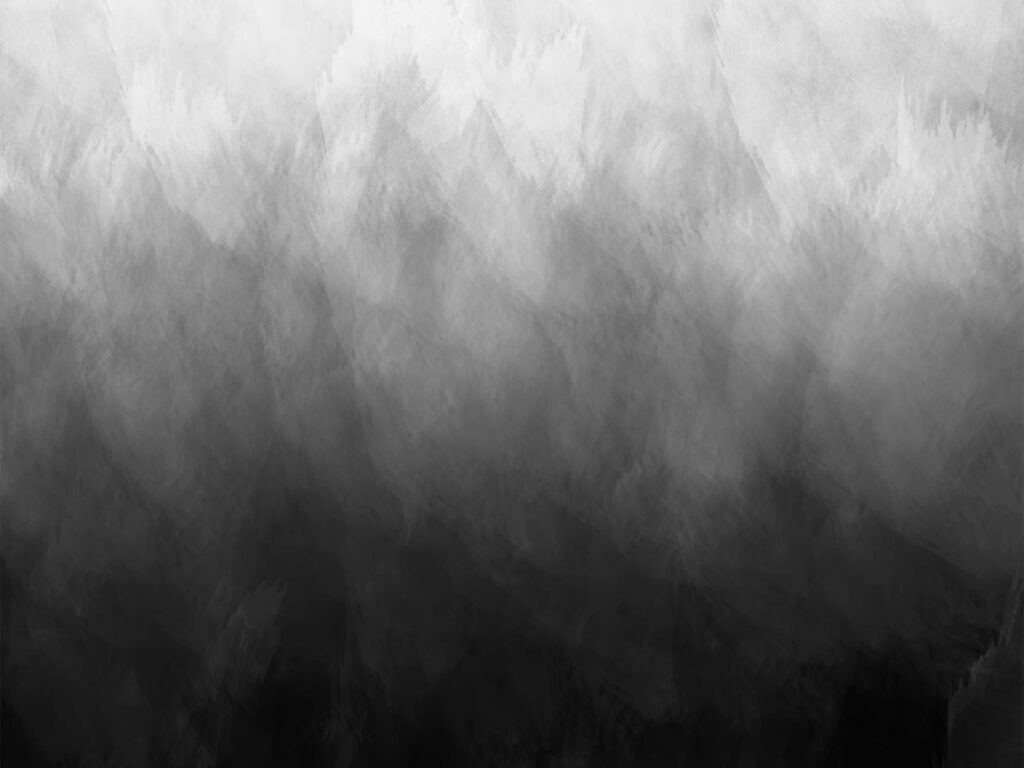
Blending is one of the Essential Painting Techniques that separates amateur looking paintings from professional ones.
Blending Methods by Medium
Acrylic blending requires speed due to fast drying
Oil blending allows slow smooth transitions
Watercolor blending relies on water control
Beginner Blending Tips
Use a clean damp brush
Blend while paint is still wet
Avoid overworking the surface
Common Blending Mistakes
Over blending causing muddy colors
Using dirty brushes
Not understanding drying times
Technique 5 Understanding Light and Shadow
Light and shadow create form, realism, and drama. This makes them core Essential Painting Techniques for beginners.
How Light Affects Objects
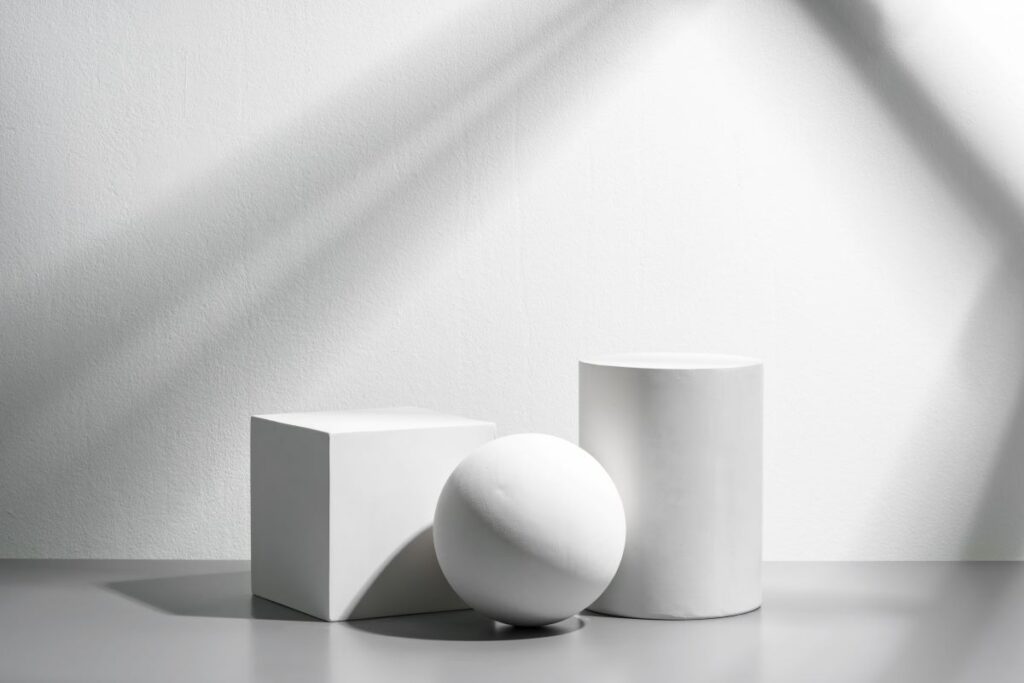
Light creates highlights midtones and shadows. Understanding this helps you paint objects that feel three dimensional.
Value Scale Basics
| Value Type | Description |
|---|---|
| Highlight | Lightest area |
| Midtone | Middle value |
| Shadow | Darkest area |
Practical Exercise
Paint a simple sphere using one light source
Identify highlight midtone and shadow
Practice with grayscale before color
Summary of Techniques Covered So Far
| Technique | Skill Developed |
|---|---|
| Brush Control | Precision and confidence |
| Color Mixing | Color harmony |
| Layering | Depth and richness |
| Blending | Smooth transitions |
| Light and Shadow | Realism |
Technique 6 Dry Brushing for Texture
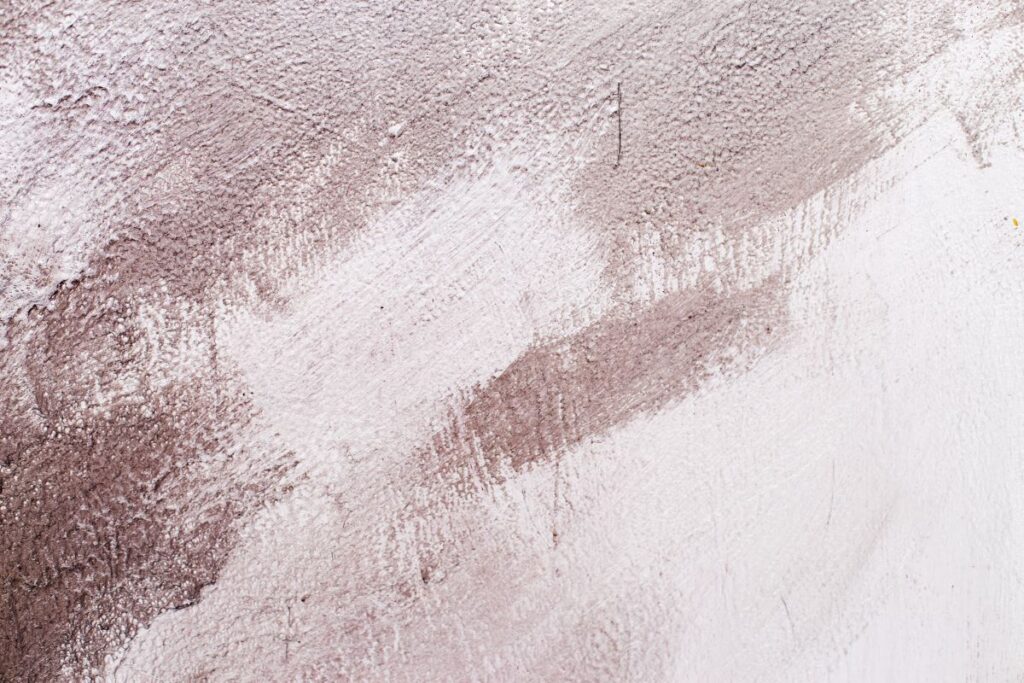
Dry brushing is one of the most effective Essential Painting Techniques for adding texture and detail without heavy paint application. It is especially useful for landscapes, hair, fabric, and rough surfaces like wood or stone.
What Is Dry Brushing
Dry brushing involves using a brush with very little paint and almost no moisture. The brush lightly grazes the surface, allowing the texture of the canvas or underlying layers to show through.
When to Use Dry Brushing
To create highlights on textured surfaces
To add natural details such as grass or fur
To enhance edges and depth
How Beginners Can Practice
Remove excess paint from the brush
Use quick light strokes
Work gradually rather than forcing texture
Common Beginner Errors
Using too much paint
Pressing the brush too hard
Applying dry brushing too early before base layers dry
Technique 7 Glazing for Depth and Color Richness
Glazing is one of the Essential Painting Techniques that allows artists to modify color and value without covering underlying details.
What Is Glazing
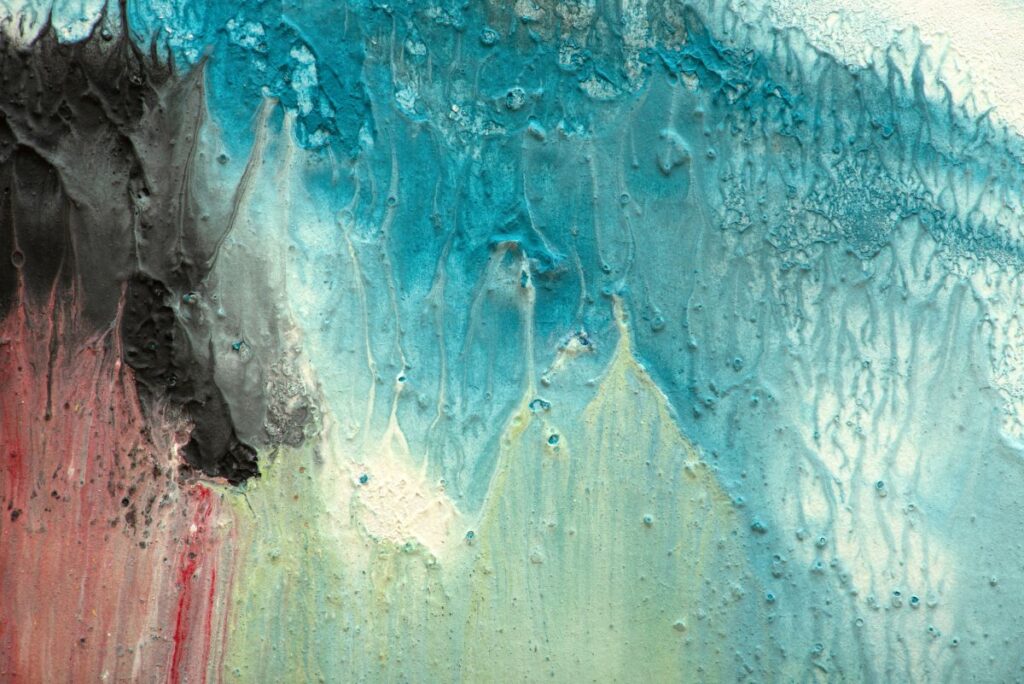
Glazing involves applying a thin transparent layer of paint over a dry layer. This changes the color tone while preserving detail beneath.
Best Mediums for Glazing
Oil paints are ideal due to slow drying
Acrylics work well when diluted properly
Watercolors naturally glaze through transparency
Benefits of Glazing
Creates luminous color effects
Enhances shadows and mood
Adds complexity to paintings
Glazing Tips for Beginners
Always let base layers dry completely
Use a soft brush
Apply thin even coats
Technique 8 Creating Texture with Tools and Materials
Texture adds interest and realism, making it one of the more creative Essential Painting Techniques beginners enjoy experimenting with.
Tools You Can Use
Palette knives
Sponges
Old brushes
Household items like plastic cards
Types of Texture Effects
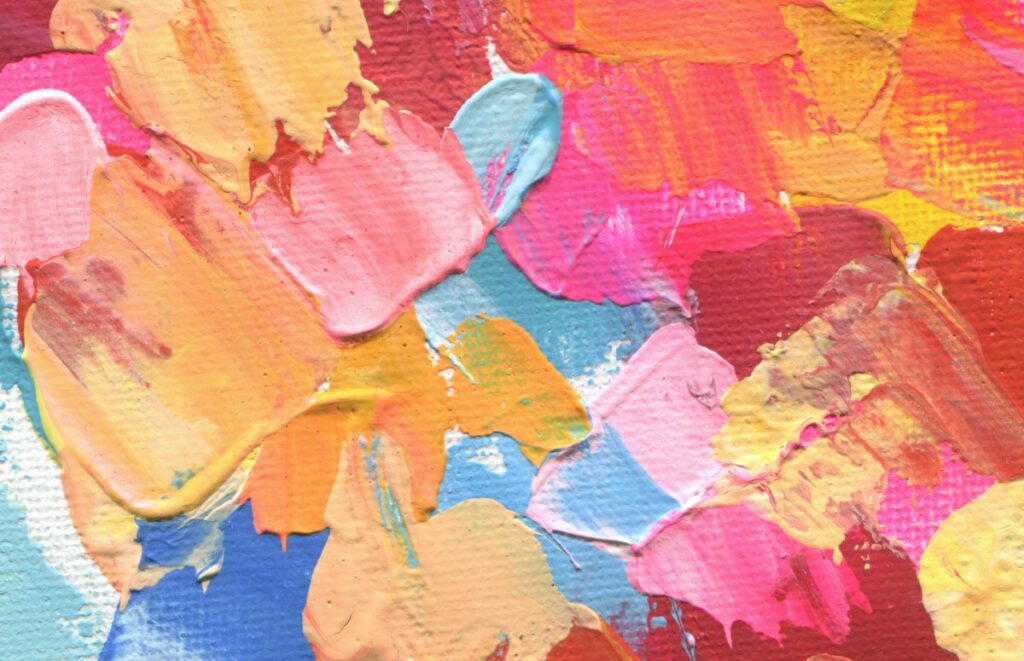
Impasto thick raised paint
Rough natural textures
Abstract surface patterns
Texture Technique Comparison Table
| Tool Used | Texture Effect |
|---|---|
| Palette Knife | Thick and bold |
| Sponge | Soft organic |
| Stiff Brush | Rough and expressive |
| Plastic Card | Sharp and scraped |
Beginner Advice
Start small with texture
Test tools on scrap surfaces
Avoid overtexturing the entire canvas
Technique 9 Underpainting Basics
Underpainting is one of the Essential Painting Techniques that gives structure and direction to a painting before details are added.
What Is Underpainting
Underpainting is the first layer of paint, usually monochromatic, that establishes values composition and light direction.
Why Underpainting Matters
Defines shapes early
Prevents blank canvas anxiety
Improves color harmony
Popular Underpainting Colors
Burnt umber
Gray tones
Muted earth colors
Simple Underpainting Process
Sketch basic composition
Apply thin paint layer
Establish light and dark areas
Technique 10 Composition and Visual Balance
Composition is one of the most overlooked Essential Painting Techniques by beginners, yet it determines how viewers experience your artwork.
What Is Composition
Composition refers to how elements are arranged within the painting to guide the viewer’s eye.
Key Composition Principles
Rule of thirds
Focal points
Balance and symmetry
Negative space
Rule of Thirds Explained
Divide the canvas into nine equal sections
Place key subjects along the intersecting lines
Avoid centering everything
Composition Mistakes Beginners Make
Crowding the canvas
Ignoring background elements
Lack of clear focal point
Techniques 6 to 10 Overview Table
| Technique | Main Benefit |
|---|---|
| Dry Brushing | Adds texture |
| Glazing | Enhances depth |
| Texture Tools | Visual interest |
| Underpainting | Strong foundation |
| Composition | Viewer engagement |
At this point, you have learned ten Essential Painting Techniques that form the backbone of beginner to intermediate painting skills. These methods improve control, depth, realism, and artistic confidence.
Conclusion Mastering Essential Painting Techniques as a Beginner
Learning Essential Painting Techniques is the most important step a beginner artist can take toward long term success. While talent and creativity play a role, technique is what transforms ideas into clear and visually engaging artwork. By understanding how paint behaves, how colors interact, and how composition guides the viewer’s eye, beginners gain confidence and control over their creative process.
The fifteen Essential Painting Techniques covered in this guide provide a complete foundation for any beginner regardless of the medium they choose. From brush control and color mixing to glazing, edge control, and finishing touches, each technique builds upon the previous one. Together, they create a structured learning path that prevents common mistakes and accelerates artistic growth.
Consistency is key when practicing Essential Painting Techniques. Rather than rushing to complete complex paintings, beginners should focus on mastering individual techniques through small studies and exercises. Over time, these skills naturally combine, leading to more expressive, balanced, and professional looking artwork.
As you continue your painting journey, remember that developing a personal style comes from understanding the rules before breaking them. The stronger your foundation in Essential Painting Techniques, the more freedom you will have to experiment and evolve as an artist.
Are Essential Painting Techniques different for watercolor painting
Essential Painting Techniques remain the foundation for all painting styles, but watercolor painting uses them in a more fluid and transparent way. Techniques such as wet on wet, layering, and brush control are especially important in watercolor. Beginners who want to focus specifically on watercolor can explore this detailed guide on watercolor methods here
https://paintersdiary.com/top-watercolor-painting-techniques-every-beginner-should-master/
This internal resource complements Essential Painting Techniques by explaining how they adapt to watercolor painting.
Where can beginners learn more about painting fundamentals online
Beginners can strengthen their understanding of Essential Painting Techniques by studying trusted art education resources. Along with structured guides and practice, learning basic art principles such as color theory and composition from authoritative sources can be very helpful. A well respected reference for painting fundamentals is available here
https://en.wikipedia.org/wiki/Painting
This outbound resource provides historical and technical context that supports a deeper understanding of Essential Painting Techniques.
Which painting medium is best for practicing Essential Painting Techniques
Acrylic paint is often recommended for beginners practicing Essential Painting Techniques because it is affordable, versatile, and forgiving. Watercolor and oil painting also work well once basic skills are established.
How long does it take to learn Essential Painting Techniques
The time required to learn Essential Painting Techniques varies depending on practice and dedication. Most beginners see noticeable improvement within a few weeks of consistent practice. Mastery develops over months and continues to improve with experience.
How often should beginners practice Essential Painting Techniques
Beginners should practice Essential Painting Techniques regularly, ideally several times a week. Short focused practice sessions are more effective than infrequent long sessions.